8 citations
,
July 2015 in “International Journal of Dermatology” A new DSG4 gene mutation causes hair defects in a young girl.
 7 citations
,
February 2022 in “Journal of Cosmetic Dermatology”
7 citations
,
February 2022 in “Journal of Cosmetic Dermatology” Injecting vitamin D3 into the skin is an effective treatment for patchy hair loss.
 7 citations
,
August 2013 in “Experimental and Therapeutic Medicine”
7 citations
,
August 2013 in “Experimental and Therapeutic Medicine” 1,25-dihydroxyvitamin D3 helps melanocyte precursors from hair follicles grow and produce melanin, aiding vitiligo treatment understanding.
 6 citations
,
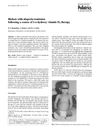
August 1989 in “European journal of pediatrics”
6 citations
,
August 1989 in “European journal of pediatrics” Child with rickets improved with a specific vitamin D therapy, but alopecia did not change.
 5 citations
,
June 2020 in “Experimental dermatology”
5 citations
,
June 2020 in “Experimental dermatology” Redheaded people may have evolved to efficiently make vitamin D in areas with less sunlight.
5 citations
,
March 2012 in “Journal of Investigative Dermatology” Vitamin D receptor and mediator 1 are crucial for healthy skin and hair growth.
 4 citations
,
May 2021 in “Molecules”
4 citations
,
May 2021 in “Molecules” The hair test for vitamin D could be a useful alternative to blood tests, providing a longer-term vitamin D status, but more research is needed.
 4 citations
,
January 2020 in “Obstetrics and Gynecology Reports”
4 citations
,
January 2020 in “Obstetrics and Gynecology Reports” Obese women with PCOS have lower vitamin D levels.
 4 citations
,
January 2017 in “Journal of pediatric endocrinology & metabolism/Journal of pediatric endocrinology and metabolism”
4 citations
,
January 2017 in “Journal of pediatric endocrinology & metabolism/Journal of pediatric endocrinology and metabolism” Two different mutations in the vitamin D receptor gene cause different symptoms and responses to treatment in Lebanese patients with hereditary rickets.
3 citations
,
August 2024 in “Middle East Fertility Society Journal” Vitamin D may help improve hormone levels in women with PCOS.
2 citations
,
January 2025 in “Brazilian Journal of Medical and Biological Research” Vitamin D3 speeds up skin healing by helping skin stem cells grow and develop.
2 citations
,
November 2024 in “Journal of Clinical Medicine” Vitamin D3 deficiency can worsen psoriasis by promoting Candida overgrowth.
 2 citations
,
March 2023 in “3C Empresa Investigación y pensamiento crítico”
2 citations
,
March 2023 in “3C Empresa Investigación y pensamiento crítico” Alopecia areata patients have higher IFN-γ and low vitamin D3 levels.
 2 citations
,
September 2022 in “Bioscientia medicina”
2 citations
,
September 2022 in “Bioscientia medicina” Topical vitamin D is effective in treating vitiligo with few side effects.
2 citations
,
September 2022 in “Frontiers in Nutrition” High-dose vitamin D3 does not improve symptoms or quality of life in COVID-19 patients after one year.
 2 citations
,
May 2022 in “Diagnostics”
2 citations
,
May 2022 in “Diagnostics” Vitamin D levels in hair don't match those in blood, so hair isn't a reliable indicator of Vitamin D status.
 2 citations
,
November 2017 in “PloS one”
2 citations
,
November 2017 in “PloS one” Some vitamin D analogs can thicken skin and reduce pore size like a common acne treatment, with one analog also affecting skin growth factors.
2 citations
,
February 1990 in “PubMed” DDR-II hair follicle cells don't respond to 1, 25-dihydroxyvitamin D3, aiding diagnosis.
1 citations
,
August 2024 in “Journal of Cosmetic and Laser Therapy” Intralesional vitamin D3 is an effective and safe treatment for patchy alopecia areata with fewer side effects.
Adequate vitamin D might lower, and high hair chromium might increase DNA damage in obese women.
 1 citations
,
January 2009 in “Trepo - Institutional Repository of Tampere University”
1 citations
,
January 2009 in “Trepo - Institutional Repository of Tampere University” Vitamin D may help regulate cholesterol and influence prostate cancer development.
1 citations
,
January 1998 in “International journal of cancer” Rubbing vitamin D3 on skin can help prevent hair loss from chemotherapy and slow breast tumor growth in mice.
 December 2025 in “Çukurova medical journal (Online)/Çukurova medical journal”
 Certain genetic markers and low vitamin D3 levels are linked to male pattern baldness.
November 2025 in “Fayoum University Medical Journal/Fayoum University Medical Journal ” Intralesional vitamin D3 injections can improve vitamin D3 levels and may help treat alopecia areata.
 November 2025 in “Bioscientia Medicina Journal of Biomedicine and Translational Research”
 A combined treatment with microneedling and vitamin D3 led to complete hair regrowth in a woman with stubborn patch alopecia areata.
 August 2025 in “Zanco Journal of Medical Sciences”
 Both steroid and vitamin D3 treatments are safe and effective for patchy alopecia areata, with steroids showing slightly better results.
July 2025 in “International Journal of Trichology” Intralesional methotrexate and triamcinolone acetonide are more effective than Vitamin D3 for treating alopecia areata.
 May 2025 in “Journal of the Egyptian Womenʼs Dermatologic Society”
 Vitamin D3 is a safe and effective alternative to steroids for treating alopecia areata, with fewer side effects.
 March 2025 in “Institutional Repositories DataBase (IRDB)”
 The testes significantly contribute to vitamin D metabolism and may affect male reproductive health and conditions like hair loss.
 February 2025 in “Iraqi Journal of Science”
 PCOS patients have higher LDH and lower cortisol, dopamine, zinc, and vitamin D3, which may contribute to their symptoms and obesity.