Search
for
Sort by
Research
450-480 / 1000+ results research Torilin fromTorilis japonica,as a New Inhibitor of Testosterone 5α-Reductase
Torilin from Torilis japonica can inhibit testosterone 5α-reductase but is less effective than finasteride.
research Tacrolimus in Dermatologic Disorders
Topical tacrolimus is safe and effective for skin conditions, but oral tacrolimus has serious side effects.

research Screening of drugs with potential antifungal activity for repurposing in the treatment of cryptococcosis.
Certain antiparasitics and antidepressants show promise for treating cryptococcosis, especially when combined with fluconazole.
research DIETHYLPROPION
Diethylpropion helps with weight loss but can interact dangerously with antidepressants and rarely causes hair loss.
research Ovarian function after renal transplantation: comparison of cyclosporin A with azathioprine and prednisone combination regimens
Ovarian function was similar in both treatment groups, but both caused excessive hair growth.
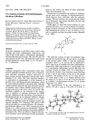
research 17α-Acetoxy-6-bromo-16β-methylpregna-4,6-diene-3,20-dione
A new compound with strong antiandrogenic effects was found, potentially useful for treating conditions like acne and prostate cancer.

research New possibilities extemporaneous preparation in dermatology - innovative foam base Espumil
Espumil foam base allows easy preparation of skin medications for hairy areas.
![Synthesis and In Vitro Study of 17β-[N-Ureylene-N,N′-Disubstituted]-4-Methyl-4-Aza-5α-Androstan-3-Ones as Selective Inhibitors of Type I 5α-Reductase](/images/assets/d19df8a7-8de6-4430-8a0d-4ffa1f502985/small/15608.jpg)
research Synthesis and in vitro study of 17β-[N-ureylene-N,N′-disubstituted]-4-methyl-4-aza-5α-androstan-3-ones as selective inhibitors of type I 5α-reductase
New compounds were made that effectively block a specific enzyme related to androgen conditions.

research Erosive pustular dermatosis of the scalp: causes and treatments
A rare scalp condition mainly in older women can be treated with various alternatives to steroids, which may have fewer side effects.
research Topical calcitriol (BPM31543) for the prevention of chemotherapy-induced alopecia (CIA): Efficacy findings from a phase I safety study.
Topical calcitriol may reduce hair loss from chemotherapy at higher doses.
research DNMT3B -579G>T POLYMORPHİSM AND THE RİSK OF COLORECTAL CANCER IN AZERBAİJAN POPULATİON
The DNMT3B -579G>T polymorphism may increase the risk of colorectal cancer.
research Evaluation of the efficacy of topical metformin 10% and 20% versus topical potent steroid in the treatment of patients with alopecia areata
Topical metformin gel is as effective and safe as steroids for treating alopecia areata.
research BH04 Growing interest: a survey of low-dose oral minoxidil prescribing for hair loss
Low-dose oral minoxidil is increasingly used by dermatologists in the UK and Ireland to treat various hair loss conditions.
research 11β-Hydroxylase inhibitors protect against seizures in mice by increasing endogenous neurosteroid synthesis
11β-Hydroxylase inhibitors help prevent seizures in mice by boosting natural neurosteroid production.
research Therapeutic Efficacy of Combination Therapy Using Oral Cyclosporine with a Dietary Supplement (Pantogar®) in Twenty-Nail Dystrophy
Oral cyclosporine combined with Pantogar® effectively treats twenty-nail dystrophy.
research Pharmacodynamics and pharmacokinetics of P-3074, a new finasteride topical solution, administered at four different doses
P-3074 effectively blocks scalp DHT better than oral finasteride.

research 609 Topical Sandalore®, a specific OR2AT4-stimulating odorant, ameliorates female telogen effluvium: Randomized, double-blinded, placebo-controlled clinical trial
Sandalore®, a synthetic scent, improved hair loss and satisfaction in women with telogen effluvium.
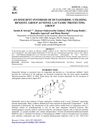
research AN EFFICIENT SYNTHESIS OF DUTASTERIDE: UTILIZING BENZOYL GROUP AS NOVEL LACTAMIC PROTECTING GROUP
Researchers created a new, efficient way to make Dutasteride, a hair loss and prostate drug, with high purity using a benzoyl group.

research Administration of dutasteride in animal models of retinitis pigmentosa
Dutasteride potentially improves cell survival and reduces retinal damage in retinitis pigmentosa.
research Tumor suppressor activity of ODC antizyme in MEK-driven skin tumorigenesis
Antizyme slows skin tumor growth by reducing cell growth in mice.
research Neuroactive steroids induce changes in fetal sheep behavior during normoxic and asphyxic states
Neurosteroids help protect fetal brains from asphyxia damage.
research Ketoconazole in cutaneous leishmaniasis
Ketoconazole cured about 70% of cutaneous leishmaniasis cases caused by Leishmania major.
research IMMEDIATE HYPERSENSITIVITY TO PERMANENT HAIR COLOR: 7
Tazarotene gel is more effective for acne than tretinoin and works as well as adapalene.

research Novel anti‐dandruff shampoo incorporated with ketoconazole‐coated zinc oxide nanoparticles using green tea extract
The new anti-dandruff shampoo with ketoconazole-coated zinc oxide nanoparticles is more effective against dandruff.
research Repositioning study of flubendazole for treating lung cancer and meningoencephalitis using an oral lipid nanosystem
Flubendazole in a nanoemulsion can potentially treat lung cancer and cryptococcal meningitis effectively and safely.

research 17beta Hydroxysteroid Dehydrogenase Type 3 Inhibitors
The document's conclusion cannot be provided because the document is not available or cannot be read.
research Medium-dose prednisolone pulse therapy in alopecia areata
Medium-dose prednisolone pulse therapy is effective and safe for multifocal alopecia areata but not for more severe forms.

research Itraconazole in the treatment of acute and recurrent vulvovaginal candidosis: comparison of a 1‐day and a 3‐day regimen
A 1-day or 3-day itraconazole treatment is effective for acute vulvovaginal candidosis, but recurrent cases may need longer treatment.

research Compatibility of 17-a-estradiol, Caffeine, Clobetasol Propionate, Finasteride Melatonin, Metronidazole, Spironolactone, Tretinoin, and Triamcinolone in Trichosol, a Natural Vehicle for Hair Solutions.
TrichoSol™ effectively stabilizes various hair treatment ingredients for different durations.