September 2025 in “BioMed” Improved oral hygiene and dietary changes can help manage black hairy tongue syndrome.
 3 citations
,
June 2020 in “Cutis”
3 citations
,
June 2020 in “Cutis” Poor nutrition can lead to skin diseases in hospitalized patients and should be quickly identified and treated.
7 citations
,
December 1971 in “Calcified Tissue Research” Hair follicles in injured skin can quickly accumulate minerals, especially calcium and phosphorus.
 30 citations
,
December 2001 in “Experimental dermatology”
30 citations
,
December 2001 in “Experimental dermatology” Gonadal hormones significantly affect the severity of alopecia areata in mice.
8 citations
,
January 2014 in “Indian Dermatology Online Journal” Trichostasis spinulosa is a common but often unnoticed skin condition involving bundled vellus hairs, especially in people with darker skin or UV exposure.
8 citations
,
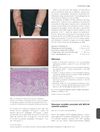
December 1997 in “International Journal of Dermatology” The patient has a leg condition caused by vein issues, needing lifestyle changes and leg care.
 28 citations
,
February 2010 in “British journal of dermatology/British journal of dermatology, Supplement”
28 citations
,
February 2010 in “British journal of dermatology/British journal of dermatology, Supplement” WNT10A mutations cause varied symptoms in patients with odonto-onycho-dermal dysplasia.
 8 citations
,
March 2015 in “Neuromuscular Disorders”
8 citations
,
March 2015 in “Neuromuscular Disorders” People with Myotonic Dystrophy type 1 are more likely to have certain skin conditions, but not more likely to get skin cancer.
24 citations
,
April 2016 in “Experimental Dermatology” Chemical treatments like dyeing, perming, and bleaching damage hair by altering amino acids and lipids.
28 citations
,
June 1995 in “The Journal of Dermatology” The flaky skin mouse mutation is a natural model for studying human psoriasis.
30 citations
,
April 2009 in “Mycoses” Microsporum gypseum fungus breaks down keratin in hair by digesting it enzymatically, starting with less keratinized parts.
November 2022 in “Indian Journal of Dermatology” Azole antifungals can cause skin reactions like EAC, requiring careful management.
 19 citations
,
March 1988 in “International Journal of Dermatology”
19 citations
,
March 1988 in “International Journal of Dermatology” Hair shaft dysplasias are abnormal hair conditions that can be inherited or acquired and may signal other health issues, with limited treatment options available.
31 citations
,
November 2015 in “PloS one” Reducing Tyrosinase prevents mature color pigment cells from forming in mouse hair.
11 citations
,
August 2017 in “Supportive care in cancer” Madarosis (eyebrow and eyelash loss) significantly affects quality of life for breast cancer patients on taxane-based chemotherapy.
April 2025 in “OPAL (Open@LaTrobe) (La Trobe University)” A new treatment using dissolvable microneedles with nickel-copper and minoxidil improves hair growth and health in androgenic alopecia.
Mineral deposits form in hair follicles after skin injury, faster in rats given DHT.
During COVID-19, Iraqi women saw more hair loss and skin issues like acne due to stress, masks, and hygiene habits.
60 citations
,
March 2006 in “Journal of Medical Genetics” A mutation in the KRTHB5 gene causes hair and nail issues.
 6 citations
,
August 2012 in “The Journal of Pediatrics”
6 citations
,
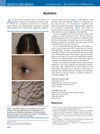
August 2012 in “The Journal of Pediatrics” A 12-year-old girl was diagnosed with monilethrix, a genetic condition causing fragile, beaded hair that breaks easily, with no effective treatment available.
January 2013 in “INTAS POLIVET” Vitamin A supplements improved skin and health issues in dogs.
 47 citations
,
July 1967 in “Science”
47 citations
,
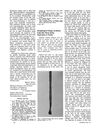
July 1967 in “Science” Not eating enough protein can cause hair roots to shrink and lose color, and hair to become thinner.
 July 1976 in “Archives of Dermatology”
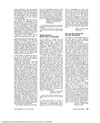
 Some people may naturally have beaded lines on their skin that are more visible with certain treatments, and hair loss similar to post-pregnancy can occur after specific diet and therapy.
1 citations
,
January 2024 in “Pediatric Dermatology” The boy's scurvy symptoms improved with vitamin C treatment, highlighting the need for a balanced diet.
 7 citations
,
January 2017 in “Annals of Dermatology”
7 citations
,
January 2017 in “Annals of Dermatology” Oral cyclosporine combined with Pantogar® effectively treats twenty-nail dystrophy.
 22 citations
,
April 2000 in “International Journal of Dermatology”
22 citations
,
April 2000 in “International Journal of Dermatology” A 78-year-old farmer with lung disease had skin lesions from a fungal infection that healed completely with medication.
1 citations
,
September 2008 in “International Journal of Cosmetic Science” Using chelants in hair dye reduces fiber damage by preventing harmful radicals.

A natural hair dye from cuttlefish ink and chitosan effectively colors hair black without harmful chemicals.
Glycosylated keratin levels in hair can help identify the onset of insulin-dependent diabetes.
July 2024 in “Journal of Pakistan Association of Dermatologists” Alopecia areata mainly affects young people, and dermoscopy helps diagnose and assess its severity.