December 2022 in “Zenodo (CERN European Organization for Nuclear Research)” Tofacitinib effectively treated severe alopecia areata in a 14-year-old girl.
 4 citations
,
October 2018 in “Asia-Pacific Journal of Clinical Oncology”
4 citations
,
October 2018 in “Asia-Pacific Journal of Clinical Oncology” CDK4/6 inhibitors have improved treatment outcomes for certain advanced breast cancer patients.
 4 citations
,
October 2024 in “American Journal of Clinical Dermatology”
4 citations
,
October 2024 in “American Journal of Clinical Dermatology” Ritlecitinib improved hair regrowth and emotional well-being in some alopecia areata patients.
 21 citations
,
March 2015 in “Journal of The American Academy of Dermatology”
21 citations
,
March 2015 in “Journal of The American Academy of Dermatology” Vemurafenib therapy can cause hair loss, but clobetasol propionate foam can help regrow hair.

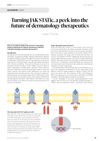
Ritlecitinib helps reduce inflammation and promote hair regrowth in alopecia areata, especially in patchy-type cases.
 August 2024 in “New Zealand Medical Student Journal”
 JAK inhibitors show promise for treating skin diseases effectively and safely.
 April 2016 in “Journal of the American Academy of Dermatology”
 Tofacitinib helped a person with total body hair loss grow hair again without bad side effects.
 20 citations
,
March 2023 in “American Journal of Clinical Dermatology”
20 citations
,
March 2023 in “American Journal of Clinical Dermatology” Baricitinib improved severe hair loss in adults over 52 weeks and was safe to use.
 6 citations
,
April 2021 in “Frontiers in Immunology”
6 citations
,
April 2021 in “Frontiers in Immunology” A patient with lupus and long-term hair loss saw significant hair regrowth after using the drug tofacitinib.
6 citations
,
July 2025 in “Cancer Medicine” ZSYY001 is safe, well-tolerated, and shows promise for treating advanced solid tumors.
 June 2023 in “British journal of dermatology/British journal of dermatology, Supplement”
 Patients with alopecia areata face challenges accessing Janus kinase inhibitors, but some see positive results.
 April 2023 in “Journal of Investigative Dermatology”
 ALRN-6924 can protect hair follicles from chemotherapy damage by temporarily stopping cell division.
April 2026 in “Case Reports in Dermatology” Tofacitinib effectively treated a woman's complex autoimmune and autoinflammatory disorders.

JAK inhibitors effectively regrow hair in alopecia areata but hair loss often returns after stopping treatment.
April 2016 in “The journal of investigative dermatology/Journal of investigative dermatology” The ALADIN score can predict how well patients with alopecia areata will respond to JAK inhibitor treatments.

Oral tofacitinib effectively treats alopecia areata long-term with manageable side effects.
1 citations
,
August 2024 in “British Journal of Dermatology” Ritlecitinib effectively promotes hair regrowth in alopecia areata patients, even with extensive hair loss.
6 citations
,
October 2014 in “International Journal of Molecular Sciences” Tanshinone IIA helps protect tissue from low oxygen damage by activating certain cell pathways.
 11 citations
,
October 2001 in “Dermatologic Clinics”
11 citations
,
October 2001 in “Dermatologic Clinics” The document concludes that DAB389-IL2 is promising for treating refractory cutaneous T-cell lymphoma, but more research is needed on its effectiveness and side effect management.
13 citations
,
February 2017 in “Clinical rheumatology” Tofacitinib may help treat nail dystrophy, especially when other treatments fail.
July 2025 in “Journal of Investigative Dermatology” TRIV-509 quickly improves skin barrier and cell health in atopic dermatitis.
 1 citations
,
June 2018 in “International Journal of Dermatology”
1 citations
,
June 2018 in “International Journal of Dermatology” DNCB is highly effective for treating alopecia areata with minimal long-term side effects.
1 citations
,
September 2025 in “JAAD reviews.” Janus kinase inhibitors are effective for severe alopecia areata, promoting hair regrowth.
 1 citations
,
September 2023 in “Journal of the American Academy of Dermatology”
1 citations
,
September 2023 in “Journal of the American Academy of Dermatology” Baricitinib significantly improves hair regrowth in severe alopecia areata.
 1 citations
,
April 2018 in “Journal of Investigative Dermatology”
1 citations
,
April 2018 in “Journal of Investigative Dermatology” Tofacitinib helped most patients with alopecia areata regrow hair and changes in immune cells were linked to the treatment's effectiveness.
Vismodegib effectively treats advanced basal cell carcinoma but requires careful management of serious side effects.
 March 2026 in “Journal of Translational Autoimmunity”
 Ruxolitinib helps regrow hair in alopecia areata by blocking inflammation, reducing stress, and controlling cell death.
November 2025 in “SKIN The Journal of Cutaneous Medicine” Ritlecitinib is effective long-term for treating alopecia areata in teens.
2 citations
,
February 2025 in “Archives of Dermatological Research” Baricitinib is a safe and effective alternative for alopecia areata patients who do not respond to tofacitinib.
 March 2026 in “American Journal of Clinical Dermatology”
 Ritlecitinib is effective and safe for long-term use in treating severe alopecia areata in people aged 12 and older.