 15 citations
,
June 2011 in “Journal of Ginseng Research”
15 citations
,
June 2011 in “Journal of Ginseng Research” Korean Red Ginseng may improve skin condition and reduce allergy markers in atopic dermatitis patients.
12 citations
,
August 2015 in “Experimental Dermatology” The mineralocorticoid receptor temporarily affects mouse skin development, but the glucocorticoid receptor has a more lasting impact.
62 citations
,
January 2009 in “Biochemistry” Vitamin D receptor binds similarly to natural and synthetic ligands, affecting gene regulation.
 25 citations
,
August 2014 in “Endocrinology”
25 citations
,
August 2014 in “Endocrinology” Researchers created a mouse model of a type of rickets that does not cause hair loss.
 October 2024 in “Skin Appendage Disorders”
 Autologous micrografting via the Rigenera® system shows promise in improving hair loss treatment.
 May 2022 in “bioRxiv (Cold Spring Harbor Laboratory)”
 The enzyme 5α-reductase is important for proper blood vessel development during the fertility-related transformation of the uterus lining.
 June 2025 in “Cell Regeneration”
 Lack of a certain enzyme causes hair to grey early by damaging stem cells, but an antioxidant can help prevent this.
 260 citations
,
July 2010 in “Cell”
260 citations
,
July 2010 in “Cell” Mutations in the SRD5A3 gene cause a new type of glycosylation disorder by blocking the production of a molecule necessary for protein glycosylation.
 6 citations
,
January 2014 in “Journal of pediatric endocrinology & metabolism/Journal of pediatric endocrinology and metabolism”
6 citations
,
January 2014 in “Journal of pediatric endocrinology & metabolism/Journal of pediatric endocrinology and metabolism” Three siblings with a genetic form of rickets showed different symptoms of the disease.
 1 citations
,
January 2022 in “Wiadomości Lekarskie”
1 citations
,
January 2022 in “Wiadomości Lekarskie” GERD symptoms are linked to acid exposure time and daytime sleepiness, influenced by ghrelin levels.
 May 2026 in “Scientific Reports”
 Overexpression of LRIG3 in skin causes hair loss.
 1 citations
,
January 2020 in “Benha Journal of Applied Sciences”
1 citations
,
January 2020 in “Benha Journal of Applied Sciences” Certain gene variations may increase the risk and severity of alopecia areata.
September 2025 in “Genes & Diseases” Lgr6+ cells are important for tissue repair and could be a target for treating cancer and other diseases.
14 citations
,
July 2021 in “Bioinformatics” rPanglaoDB helps study rare cell types by merging RNA data, showing fibrocytes aid in healing.
2 citations
,
September 2024 in “Asian Journal of Andrology” New SRD5A2 variants may disrupt protein function, aiding diagnosis and treatment of related disorders.
2 citations
,
June 2016 in “International journal of experimental pathology” Human skin has less GDNF and its receptor with age.
 April 2018 in “Journal of Investigative Dermatology”
 High amphiregulin in the skin is a bad sign for acute graft-versus-host disease.
 28 citations
,
February 2012 in “PLoS ONE”
28 citations
,
February 2012 in “PLoS ONE” A PKP1 gene mutation causes skin fragility and hair loss in Chesapeake Bay retriever puppies.
26 citations
,
April 2011 in “British Journal of Dermatology” New mutations in the DSG4 gene cause a rare hair condition.
15 citations
,
June 2020 in “The journal of investigative dermatology/Journal of investigative dermatology” Mice with extra human KLK14 had hair and skin problems, including weaker cell bonds and inflammation, linked to Netherton syndrome.
13 citations
,
August 2005 in “Journal of Investigative Dermatology Symposium Proceedings” Mutations in the DSG4 gene cause fragile, sparse hair in humans, mice, and rats.
 4 citations
,
June 2021 in “Journal of Microbiology and Biotechnology”
4 citations
,
June 2021 in “Journal of Microbiology and Biotechnology” Ginsenoside Rg4 from ginseng may help hair growth by activating certain cell signals.
 4 citations
,
January 2019 in “Annals of Dermatology”
4 citations
,
January 2019 in “Annals of Dermatology” RE-ORGA, a Korean herb extract, may help prevent hair loss.
2 citations
,
November 2004 in “Blood” RXRa is crucial for Th2 immune cell development and may link nutrition to immune health.
17 citations
,
August 2024 in “International Journal of Biological Macromolecules” The hydrogel dressings speed up healing and reduce scarring.
May 2021 in “bioRxiv (Cold Spring Harbor Laboratory)” rPanglaoDB helps study rare cell types by merging RNA data, confirming fibrocytes' role in healing.
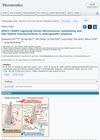 May 2026 in “Theranostics”
 Targeting DKK3–CKAP4 can help reverse hair loss in androgenetic alopecia.
July 2023 in “Media Dermato Venereologica Indonesiana” Accurate diagnosis of RDEB-mitis in older adults is crucial for proper management without immunosuppressants.
5 citations
,
February 2022 in “Molecular genetics & genomic medicine” New gene variants linked to a rare inherited hair loss disorder were found in three Chinese families.
As people age, certain enzymes in scalp glands decrease, affecting hair health.