 13 citations
,
September 1989 in “International Journal of Dermatology”
13 citations
,
September 1989 in “International Journal of Dermatology” Carbamazepine may cause reversible nail detachment.
6 citations
,
September 2024 in “Current Oncology” Sacituzumab Govitecan is effective for certain breast cancers but requires careful management of side effects.
Abemaciclib can cause skin, hair, and nail problems, leading some patients to stop using it.
 3 citations
,
August 2023 in “Drug safety”
3 citations
,
August 2023 in “Drug safety” Proactive monitoring and management are essential to maximize the benefits of Trastuzumab Deruxtecan while minimizing serious side effects.
58 citations
,
September 2019 in “EMBO Molecular Medicine” CDK4/6 inhibitors can protect hair cells from chemotherapy damage.
3 citations
,
April 2020 in “PubMed” Combining DEB-BACE with chemotherapy is more effective and has fewer side effects than chemotherapy alone for treating unresectable lung squamous cell carcinoma.
May 2025 in “CPT Pharmacometrics & Systems Pharmacology” A 50 mg non-loading dose of ritlecitinib is safe for adults and adolescents.
December 2025 in “Drug Design Development and Therapy” Anlotinib combined with taxane/capecitabine is more effective than bevacizumab for treating HER-2 negative metastatic breast cancer.
 September 2024 in “Current Oncology”
 Docetaxel often causes hair loss, with limited effective treatments and no cure for permanent hair loss.
 3 citations
,
May 2023 in “International Journal of Molecular Sciences”
3 citations
,
May 2023 in “International Journal of Molecular Sciences” A new treatment using nanoparticles can effectively prevent and reduce hair loss caused by chemotherapy.
March 2026 in “British Journal of Dermatology” Deucravacitinib did not significantly improve hair regrowth in alopecia areata patients.
The treatment was not recommended due to limited effectiveness and significant side effects.
May 2018 in “Journal of Clinical Oncology” The treatment is safe and shows promise for metastatic breast cancer.
 August 2018 in “Journal of Investigative Dermatology”
 Tofacitinib may help regrow hair in alopecia areata patients.
5 citations
,
March 2021 in “Hepatitis Monthly” Tenofovir alafenamide fumarate is effective and safer for hepatitis B, with fewer side effects than tenofovir disoproxil fumarate.
52 citations
,
May 1993 in “Southern Medical Journal” Imuvert can prevent some chemotherapy-induced hair loss.
34 citations
,
January 2023 in “Therapeutic Advances in Medical Oncology” Sacituzumab govitecan is effective but has side effects like hair loss and diarrhea in treating metastatic triple-negative breast cancer.
May 2026 in “Bioorganic Chemistry” December 2024 in “JDDG Journal der Deutschen Dermatologischen Gesellschaft” Deucravacitinib helped a man regrow hair significantly.
13 citations
,
April 2024 in “JAAD Case Reports” Deucravacitinib may effectively treat discoid lupus erythematosus.
 15 citations
,
January 2024 in “The AAPS Journal”
15 citations
,
January 2024 in “The AAPS Journal” 50-mg ritlecitinib capsules are bioequivalent to 100-mg capsules.
 11 citations
,
October 2001 in “Dermatologic Clinics”
11 citations
,
October 2001 in “Dermatologic Clinics” The document concludes that DAB389-IL2 is promising for treating refractory cutaneous T-cell lymphoma, but more research is needed on its effectiveness and side effect management.
 February 2026 in “Indian Journal of Dermatology”
 Upadacitinib may effectively treat twenty-nail dystrophy without causing pain.
January 2012 in “Chinese Clinical Oncology” Disodium folinate can safely and effectively replace calcium folinate in colorectal cancer treatment.
 9 citations
,
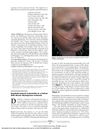
May 2013 in “JAMA Dermatology”
9 citations
,
May 2013 in “JAMA Dermatology” A woman's hair turned white after taking a cancer drug called dasatinib.
2 citations
,
May 2016 in “Journal of Clinical Oncology” Topical calcitriol may reduce hair loss from chemotherapy at higher doses.
 11 citations
,
June 1996 in “Nutrition”
11 citations
,
June 1996 in “Nutrition” Vitamin D3 may prevent hair loss from chemotherapy, but side effects and cancer cell protection are concerns.

Dacomitinib can cause nail and skin issues, but these can be managed without stopping the drug.
2 citations
,
November 1978 in “JAMA” Valproic acid is an effective seizure medication with some temporary side effects.
6 citations
,
May 2013 in “Journal of Clinical Oncology” Combining Ficlatuzumab and Gefitinib can cause severe hair loss.