 1 citations
,
January 2016 in “Journal of stem cell research and medicine”
1 citations
,
January 2016 in “Journal of stem cell research and medicine” Fat-derived stem cell therapies can potentially increase hair growth and thickness in people with hair loss.
 1 citations
,
May 2012 in “Hair transplant forum international”
1 citations
,
May 2012 in “Hair transplant forum international” Hair loss in men may be caused by inflammation triggered by hormones, and treatments reducing inflammation could potentially promote hair growth.
 1 citations
,
June 2007 in “Almustansiriya journal of pharmaceutical sciences/Al-Mustansiriyah journal of pharmaceutical sciences”
1 citations
,
June 2007 in “Almustansiriya journal of pharmaceutical sciences/Al-Mustansiriyah journal of pharmaceutical sciences” Antioxidants can help improve hair growth in people with alopecia areata.
 1 citations
,
January 1996 in “Springer eBooks”
1 citations
,
January 1996 in “Springer eBooks” Diet affects baldness; eat balanced, less animal fat, more fruits, vegetables, and cereals.
 1 citations
,
January 1989 in “Journal of dermatological treatment”
1 citations
,
January 1989 in “Journal of dermatological treatment” Azelaic acid may help treat acne by killing bacteria, reducing inflammation, and preventing clogged pores.
 July 2026 in “International Journal of Clinical & Experimental Dermatology”
 The serum improves hair growth and scalp health.
 June 2026 in “Current Issues in Molecular Biology”
 Minoxidil is more effective than the botanical extract for hair loss, but the extract shows potential as an alternative.
Prasiola japonica extract may help reduce hair loss and promote hair growth.
 March 2026 in “Biomolecules”
 MicroRNAs play a key role in controlling hair growth and quality in sheep and goats.
January 2026 in “Veterinary Sciences” Skin maturation in Dezhou donkey foals involves better barrier function, hair growth, and less collagen production.
January 2026 in “Non-coding RNA Research” Exosomal miRNA-218-5p promotes hair growth and development.

Arginine deficiency hinders hair growth in androgenetic alopecia, but restoring it can promote hair regeneration.
July 2025 in “International Journal of Biological Macromolecules” The microneedle patch boosts hair growth by reducing DHT and oxidative stress.
 May 2025 in “Journal of Ayurveda and Integrated Medical Sciences”
 Vedistry Amla + Tablets improve hair health and are safe to use.
 March 2025 in “Anatomy & Cell Biology”
 Hair follicle stem cell secretions may help protect brain cells and improve stroke recovery.
 March 2025 in “International Journal of Molecular Sciences”
 Veratric Acid may help promote hair growth and reduce hair loss.
 January 2025 in “International Journal of Pharmaceutical Research and Applications”
 PCOS causes hormonal imbalance, leading to symptoms like irregular periods and infertility.
July 2024 in “International Journal of Molecular Sciences” RF-based therapies might help treat hair loss.
 March 2024 in “Clinical, cosmetic and investigational dermatology”
 Skin Radiance Collagen improved skin and hair health in adult females.
 December 2023 in “International journal of multidisciplinary research and analysis”
 SH-MSCs gel can effectively treat alopecia by increasing IL-10 and decreasing TNF-α gene expression.

Arabica coffee pulp extract may help prevent hair loss and promote hair growth.
 January 2023 in “Health science reports”
 French maritime pine bark extract significantly increased hair density in menopausal women.
 November 2022 in “The journal of investigative dermatology/Journal of investigative dermatology”
 IL-15 promotes hair growth and protects hair follicles.
 January 2021 in “Erciyes medical journal”
 The COVID-19 pandemic changed the types of skin conditions seen at a clinic, with fewer patients and varying numbers of specific conditions.
 September 2019 in “The journal of investigative dermatology/Journal of investigative dermatology”
 Not having enough cystatin M/E protein causes less hair growth and dry skin.
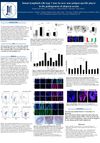
Innate lymphoid cells type 1 may contribute to alopecia areata by damaging hair follicles.
 September 2017 in “Journal of Investigative Dermatology”
 The Siah1 and Siah2 genes are active in mouse skin development and hair growth, especially right after birth.
 August 2017 in “Journal of epidemiological research”
 Cancer rates are increasing in developed countries, with estrogen, aging, low vitamin D3, and HPV infection as common causes.
 December 2016 in “Springer eBooks”
 Chrousos Syndrome is caused by mutations that make the body less sensitive to glucocorticoids, leading to various symptoms and requiring high-dose treatment.
 August 2016 in “Journal of Investigative Dermatology”
 DHT reduces a cell's ability to promote hair growth, while 3D culture without DHT improves it.