 October 2024 in “Journal of the Endocrine Society”
 A single steroid injection can cause serious side effects like Cushing Syndrome.
 11 citations
,
November 2019 in “Clinical Case Reports”
11 citations
,
November 2019 in “Clinical Case Reports” A Brazilian teenager with severe hair loss had total hair regrowth with no side effects after using tofacitinib.
 October 2012 in “Semina. Ciências Agrárias”
 A Shi Tzu dog with high cortisol levels improved after increasing the dose of trilostane.
11 citations
,
January 2017 in “Skin Appendage Disorders” Use lower concentrations of triamcinolone acetonide to reduce steroid-induced scalp atrophy.
18 citations
,
July 1998 in “Pediatric Dermatology” Monthly oral corticosteroid pulses effectively treat widespread alopecia areata in young patients.
9 citations
,
January 2013 in “Indian journal of dermatology, venereology, and leprology” Infliximab may cause hair loss in Crohn's disease patients.
 7 citations
,
September 2013 in “Current Dermatology Reports”
7 citations
,
September 2013 in “Current Dermatology Reports” Some skin medications are safe for pregnant women, but others pose risks or should not be used.
 1 citations
,
March 2004 in “Journal of the American Academy of Dermatology”
1 citations
,
March 2004 in “Journal of the American Academy of Dermatology” ZD1839, a cancer drug, can cause mild skin rashes that are treatable without stopping the medication.
 21 citations
,
January 2005 in “Pediatric Dermatology”
21 citations
,
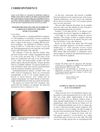
January 2005 in “Pediatric Dermatology” An 8-year-old girl with vitiligo developed extra hair growth on her knee after using tacrolimus ointment.
Antifungal treatment reduced asthma exacerbations and corticosteroid use but its overall benefit is unclear.
37 citations
,
February 2015 in “Journal of the European Academy of Dermatology and Venereology” Oral isotretinoin is the most effective treatment for folliculitis decalvans.
119 citations
,
August 2010 in “Journal of Investigative Dermatology” Increased 11β-HSD1 activity in skin may contribute to aging and could be targeted to reduce aging effects.
 1 citations
,
November 2022 in “Journal of the Endocrine Society”
1 citations
,
November 2022 in “Journal of the Endocrine Society” Adults with classic congenital adrenal hyperplasia value medication that prevents weight gain from glucocorticoids the most.
5 citations
,
September 2020 in “Proceedings - Baylor University. Medical Center” Tofacitinib successfully treated a woman's severe symptoms from a rare autoimmune condition.
14 citations
,
February 2013 in “PubMed” Patients treated with long-term intralesional corticosteroids for alopecia areata should be monitored for bone density changes and advised on osteoporosis prevention.
 3 citations
,
May 2016 in “Gynecological Endocrinology”
3 citations
,
May 2016 in “Gynecological Endocrinology” Low-dose flutamide improved hirsutism and satisfaction in women but had common side effects, causing some to stop treatment.
 September 2024 in “Egyptian Journal of Dermatology and Venerology”
 Combining TRA and latanoprost is most effective for treating localized alopecia areata.
 April 2023 in “Journal of Investigative Dermatology”
 Cyclosporin A, a drug, reduces TGF-β2 expression in skin cells, potentially causing excessive hair growth through a process involving the calcineurin/NFAT pathway.
 July 2023 in “Skin Research and Technology”
 Baricitinib combined with other immune therapies may safely and effectively treat severe scalp hair loss.
 16 citations
,
January 2019 in “Skin appendage disorders”
16 citations
,
January 2019 in “Skin appendage disorders” Intralesional corticosteroids work best for mild alopecia areata, and DPCP works best for moderate to severe cases.
 1 citations
,
July 2019 in “Medicina Clínica (English Edition)”
1 citations
,
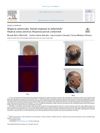
July 2019 in “Medicina Clínica (English Edition)” Tofacitinib partially improved hair regrowth in a patient with severe hair loss.

Tacrolimus causes fewer acute rejections than cyclosporin A in kidney transplants but doesn't necessarily improve kidney function after one year; cardiovascular risks and side effects vary between the two drugs.
 November 2024 in “Gynecological Endocrinology”
 The article's findings are uncertain and should be viewed with caution.
1 citations
,
January 2024 in “Arab Board Medical Journal” Tofacitinib effectively regrows hair in alopecia areata patients, especially in younger individuals, with manageable side effects.
 October 2025 in “International Journal of Cell and Biomedical Science”
 hUC-MSC secretome can help regrow hair in cases of hair loss.
1 citations
,
January 1987 in “Veterinary Dermatology” Topical 0.1% tacrolimus improved a rare ear condition in cats.
24 citations
,
July 2015 in “International Journal of Molecular Sciences” Fluoxetine may help reduce fat by limiting stem cell growth and fat cell formation.
 2 citations
,
April 2019 in “Journal of the American Society of Nephrology”
2 citations
,
April 2019 in “Journal of the American Society of Nephrology” Fluconazole might be a new treatment for a type of diabetes that affects water balance in the body.
 39 citations
,
November 2015 in “Pediatric Nephrology”
39 citations
,
November 2015 in “Pediatric Nephrology” Rituximab leads to longer remission and fewer side effects than cyclophosphamide.