24 citations
,
March 2022 in “Journal of the American Academy of Dermatology” Adalimumab improved folliculitis decalvans in most patients.
 69 citations
,
August 2008 in “Journal of The European Academy of Dermatology and Venereology”
69 citations
,
August 2008 in “Journal of The European Academy of Dermatology and Venereology” Oral dutasteride and topical pimecrolimus can safely and effectively treat Frontal Fibrosing Alopecia, leading to significant hair regrowth.
 1 citations
,
December 2022 in “Journal of cosmetic dermatology”
1 citations
,
December 2022 in “Journal of cosmetic dermatology” The combination of vitamin D analogues with potent steroids is a favorable treatment for alopecia areata with fewer side effects.
407 citations
,
January 2008 in “Cochrane Database of Systematic Reviews” Glucocorticoid corticosteroids improve muscle strength in Duchenne muscular dystrophy but can cause side effects.
 January 2020 in “Frontiers in Medical Case Reports”
 A dog developed skin issues from too many steroids, but reducing steroids and using a specific treatment fixed the problems.
 August 2025 in “International Journal of Research in Dermatology”
 Combining glucocorticoids with immunosuppressants like cyclophosphamide improves remission and reduces relapse in pemphigus patients.
 1 citations
,
October 2023 in “Journal of the Endocrine Society”
1 citations
,
October 2023 in “Journal of the Endocrine Society” HIV medication ritonavir can increase the effects of nasal sprays like fluticasone, causing Cushing's syndrome.
15 citations
,
April 2016 in “The Journal of Dermatology” Multiple courses of pulse corticosteroid therapy improve hair growth in alopecia areata patients with minimal side effects.
 16 citations
,
December 2008 in “Journal of The American Academy of Dermatology”
16 citations
,
December 2008 in “Journal of The American Academy of Dermatology” Adults with atopic dermatitis showed similar adherence to different forms of hydrocortisone cream, but actual use varied despite self-reports of near-perfect usage.
 20 citations
,
October 2003 in “The Journal of Dermatology”
20 citations
,
October 2003 in “The Journal of Dermatology” DCP therapy causes side effects like weakness, flushing, headaches, and taste changes, but less frequently causes hypertension and diabetes.
 January 1953 in “The Lancet”
 Cortisone may help hair regrow by altering the local environment, with regrowth starting 3-4 weeks after treatment, but its use is not widely recommended.
 July 2023 in “Media Dermato Venereologica Indonesiana”
 Corticosteroids effectively treated a 60-year-old man's skin condition.
January 2024 in “Case Reports in Endocrinology” Cortisone tapering may help improve severe myasthenia gravis and alopecia areata after thymectomy.
3 citations
,
January 2011 in “Yearbook of Dermatology and Dermatologic Surgery” 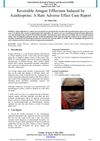 May 2025 in “International Journal of Science and Research (IJSR)”
 Stopping azathioprine led to full hair regrowth and recovery in 2.5 months.
21 citations
,
August 1984 in “BJOG An International Journal of Obstetrics & Gynaecology” Ovarian function was similar in both treatment groups, but both caused excessive hair growth.
30 citations
,
August 1998 in “International Journal of Dermatology” Systemic corticosteroids don't prevent severe alopecia areata from spreading or relapsing.
January 2003 in “Journal of Practical Aesthetic and Plastic Surgery” Both steroid treatments effectively regrow hair in severe alopecia areata.
10 citations
,
April 1964 in “Journal of the American Geriatrics Society” Triamcinolone acetonide injections effectively treat skin disorders like eczema and psoriasis.
156 citations
,
August 2014 in “Cochrane library” Budesonide is not effective for maintaining remission in Crohn's disease beyond three months.
38 citations
,
January 2013 in “Dermatology” Careful patient selection is key for effective pulse corticosteroid treatment in children with alopecia areata.
 18 citations
,
March 1990 in “Archives of Dermatology”
18 citations
,
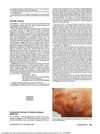
March 1990 in “Archives of Dermatology” Cyclosporine cleared a woman's resistant skin condition quickly and kept it away for over a year.
34 citations
,
November 1974 in “Archives of Dermatology” Smaller, diluted corticosteroid injections reduce the risk of vision loss.
1 citations
,
July 2016 in “Dermatologic surgery”  May 2015 in “Journal of The American Academy of Dermatology”
 Both azathioprine and betamethasone treatments help with hair regrowth in alopecia areata, but azathioprine may have fewer side effects.
114 citations
,
October 2006 in “Journal of the European Academy of Dermatology and Venereology” The new clobetasol propionate foam is effective and safe for treating alopecia areata.
5 citations
,
April 2025 in “Journal of the European Academy of Dermatology and Venereology” Control inflammation and prevent further hair loss in folliculitis decalvans using medications and therapies.
27 citations
,
January 2001 in “Hormone Research in Paediatrics” Low-dose flutamide effectively maintains reduced hirsutism with no side effects.
October 2024 in “Zagazig University Medical Journal” Transdermal delivery using a fractional CO2 laser is more effective for treating alopecia areata than injections.