79 citations
,
March 2005 in “Journal of Medical Genetics” A mutation in the hHb3 gene is linked to the hair disorder monilethrix.
July 2025 in “Journal of Investigative Dermatology” Enhancing Tregs can protect against alopecia areata.
July 2024 in “Journal of Investigative Dermatology” The Fas/FasL pathway may play a role in alopecia areata.
 3 citations
,
March 2016 in “Phytotherapy Research”
3 citations
,
March 2016 in “Phytotherapy Research” The new compound was more effective than finasteride in reducing markers of hair loss and prostate issues in cell tests.
January 2008 in “프로그램북(구 초록집)” 
Arginine deficiency hinders hair growth in androgenetic alopecia, but restoring it can promote hair regeneration.
February 1996 in “Clinical Pharmacology & Therapeutics” MK-386 reduces sebum DHT levels.

Sinapic acid and glabridin together help hair growth in androgenetic alopecia.
June 2025 in “Journal of Photochemistry and Photobiology B Biology” UVA exposure worsens hair loss by activating a specific cell pathway.
845 citations
,
February 2001 in “The Journal of Clinical Endocrinology & Metabolism” The enzyme for activating vitamin D is found in many body tissues, not just the kidneys.
 April 2023 in “Journal of Investigative Dermatology”
 ALRN-6924 can protect hair follicles from chemotherapy damage by temporarily stopping cell division.
 1 citations
,
September 2017 in “Journal of Investigative Dermatology”
1 citations
,
September 2017 in “Journal of Investigative Dermatology” Blocking a specific enzyme can reduce the negative impact of stress hormones on hair growth cells.
4 citations
,
December 2014 in “Dermatologica sinica/Zhōnghuá pífūkē yīxué zázhì” The excimer lamp is a safe and effective treatment for severe alopecia areata.
 April 2018 in “Journal of Investigative Dermatology”
 DNMT3A is crucial for healthy skin and hair growth.
 October 2023 in “International journal of rheumatic diseases”
 New treatments targeting the JAK signaling pathway, especially JAK inhibitors, show promise for alopecia areata.
3 citations
,
February 2001 in “British journal of ophthalmology” An Australian with rare hair loss and eye conditions had a gene linked to both, not seen together before.
3 citations
,
November 2020 in “Dermatologic Therapy” Start with 2.5 mg/mL triamcinolone acetonide for scalp alopecia areata and increase if needed.
 June 2023 in “International Journal of Clinical Research and Reports”
 Method B with propylene glycol is better for stable low-concentration DPCP solutions for alopecia areata.
 1 citations
,
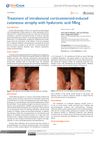
July 2018 in “Journal of dermatology & cosmetology”
1 citations
,
July 2018 in “Journal of dermatology & cosmetology” Hyaluronic acid successfully treated skin atrophy caused by corticosteroid injections.
 13 citations
,
October 2017 in “Bioorganic & Medicinal Chemistry”
13 citations
,
October 2017 in “Bioorganic & Medicinal Chemistry” Optimizing the structure of a specific compound greatly improved its effectiveness and precision for treating diabetic complications.
 12 citations
,
June 2023 in “JAMA network open”
12 citations
,
June 2023 in “JAMA network open” JAK inhibitors effectively improve hair regrowth in alopecia areata with an acceptable safety profile.
 17 citations
,
August 2007 in “Bioorganic & Medicinal Chemistry Letters”
17 citations
,
August 2007 in “Bioorganic & Medicinal Chemistry Letters” A compound made by Pfizer can potentially stimulate hair growth and reduce oil production, making it a good candidate for topical use.
 18 citations
,
February 2018 in “International Journal of Molecular Sciences”
18 citations
,
February 2018 in “International Journal of Molecular Sciences” PGD2 increases androgen receptor activity in hair cells, which could be targeted to treat hair loss.
 January 2025 in “Lasers in Medical Science”
 CO2 fractional laser treatment helped regrow hair in a 13-year-old with alopecia areata.
 May 2024 in “Deleted Journal”
 Dutasteride effectively treats hair loss in men who don't respond to finasteride.
 6 citations
,
June 2011 in “British Journal of Dermatology”
6 citations
,
June 2011 in “British Journal of Dermatology” People with alopecia areata have higher levels of RBP4 protein and antibodies against it.
60 citations
,
May 2006 in “Journal of Neurochemistry” Social isolation makes rats more sensitive to alcohol's effects on the brain.
38 citations
,
April 2016 in “The Journal of Pathology” Alkaline ceramidase 1 is crucial for healthy skin and energy balance.
 27 citations
,
March 2017 in “Current Clinical Pharmacology”
27 citations
,
March 2017 in “Current Clinical Pharmacology” Dutasteride is becoming a popular hair loss treatment, proving more effective than finasteride with similar side effects.
18 citations
,
October 2009 in “Endocrinology” Different Hairless isoforms affect Vitamin D receptor activity in hair regulation, with one repressing and the other stimulating it.