December 2022 in “International Journal of Molecular Sciences” Afatinib, neratinib, and zanubrutinib could be effective against KRASG12C-mutant tumors.
May 2025 in “CPT Pharmacometrics & Systems Pharmacology” A 50 mg non-loading dose of ritlecitinib is safe for adults and adolescents.
4 citations
,
March 2007 in “British Journal of Dermatology” Gefitinib therapy can cause unusual hair growth on the nose.
1 citations
,
September 2015 Gefitinib treatment led to unexpected hair growth in two lung cancer patients.
 January 2024 in “Wiadomości Lekarskie”
 Pemigatinib may be effective for treating ZMYM2::FGFR1 fusion-positive leukemia.
 January 2016 in “The Australian Pharmacist”
 Tofacitinib might be used to treat hair loss.
7 citations
,
January 2009 in “BMJ Case Reports” Gefitinib can cause slower, finer, brittle, and curly scalp hair.
19 citations
,
April 2016 in “Case Reports in Dermatology” Nilotinib can cause keratosis pilaris, a skin condition.
2 citations
,
May 2020 in “JAAD case reports” Ruxolitinib can cause a delayed skin reaction on the nose.
September 2023 in “Journal of the American Academy of Dermatology” CTP-543 is generally safe for treating alopecia areata.
 1 citations
,
June 2023 in “Advances in therapy”
1 citations
,
June 2023 in “Advances in therapy” Ripretinib is effective and safe for treating advanced GIST in Chinese patients, particularly for non-gastric GISTs.
 2 citations
,
September 2021 in “Curēus”
2 citations
,
September 2021 in “Curēus” Tofacitinib may be safe for COVID-19 patients with alopecia without worsening symptoms, based on two cases.
3 citations
,
July 2025 in “Clinical and Experimental Dermatology” Ritlecitinib may be more effective for severe alopecia areata than conventional treatments.
 February 2026 in “Frontiers in Immunology”
 Ivarmacitinib significantly improved hair regrowth in severe alopecia areata after tofacitinib was less effective.
 April 2024 in “Frontiers in pharmacology”
 Brepocitinib 30mg is most effective for moderate-to-severe alopecia areata, but ritlecitinib 50mg may offer a better balance of safety and effectiveness.
7 citations
,
September 2024 in “The Journal of Dermatology” Ritlecitinib helps regrow hair in people with alopecia totalis and universalis and is safe to use.
 55 citations
,
October 2019 in “Dermatology and therapy”
55 citations
,
October 2019 in “Dermatology and therapy” Drugs targeting the JAK/STAT pathway can improve atopic dermatitis but vary in effectiveness for vitiligo and alopecia areata, with generally mild safety concerns.
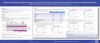 November 2024 in “SKIN The Journal of Cutaneous Medicine”
 Ritlecitinib effectively promotes hair regrowth in severe and very severe alopecia areata.
59 citations
,
March 2003 in “The Lancet” Imatinib can repigment grey hair, while SU11428 can cause temporary hair depigmentation.
1 citations
,
September 2023 in “Journal of the American Academy of Dermatology” Ritlecitinib effectively regrows and maintains scalp, eyebrow, and eyelash hair in alopecia areata patients.
 December 2025 in “International Journal of Innovative Technologies in Social Science”
 Ritlecitinib is generally safe for long-term use, with mostly mild side effects.
May 2025 in “Journal of the European Academy of Dermatology and Venereology” Ritlecitinib is effective for long-term hair regrowth in alopecia areata, especially in females and early treatment.
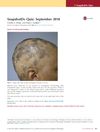 August 2018 in “Journal of Investigative Dermatology”
 Tofacitinib may help regrow hair in alopecia areata patients.
November 2023 in “SKIN The Journal of Cutaneous Medicine” Ritlecitinib effectively maintains hair regrowth in alopecia areata patients.
45 citations
,
October 2018 in “JCI Insight” Entospletinib effectively prevents eye and skin GVHD in mice.
January 2013 in “대한피부과학회지” Gefitinib can cause rare scarring hair loss.
 April 2023 in “The journal of investigative dermatology/Journal of investigative dermatology”
 A PTH-based treatment improved hair regrowth better than ruxolitinib in a mouse model of hair loss.
November 2024 in “SKIN The Journal of Cutaneous Medicine” Ritlecitinib effectively reduces severe hair loss in alopecia areata over 24 months.
 44 citations
,
October 2017 in “Journal of the American Academy of Dermatology”
44 citations
,
October 2017 in “Journal of the American Academy of Dermatology” Tofacitinib is effective and safe for treating severe hair loss in Korean patients.
 June 2024 in “ESMO Gastrointestinal Oncology”
 The combination treatment showed a higher response rate but no significant survival benefits.