Search
for
Sort by
Research
630-660 / 1000+ resultsresearch 085 Coordinate expressions of cyclin-dependent kinase inhibitors and high sulfur protein in human hair follicles
research [Translated article] High-dose Oral Minoxidil for the Treatment of Androgenetic Alopecia
High-dose oral minoxidil can improve hair growth but may cause side effects.
research [Nevus comedonicus. A rare skin disease of the hair follicles].
Nevus comedonicus is a rare skin condition causing dark bumps, treatable with retinoic acid or surgery.
research Hydroxylation of dehydroepiandrosterone in human scalp hair folhcles
The enzyme system in hair follicles is similar to the liver's and is affected by certain inhibitors.

research A Case of Contact Allergic Dermatitis to Topical Minoxidil
A woman had an allergic skin reaction to a hair loss treatment containing minoxidil and should not use it.

research 919 Overexpression of cyclooxygenase-2 in the skin of adult transgenic mice leads to sebaceous gland hyperplasia and thinning of hair shafts
Increasing COX-2 in mouse skin causes bigger sebaceous glands and thinner hair, but stopping COX-2 can reverse hair thinning.

research Morphological Approach to Hair Disorders
Accurate clinical, histological, and genetic methods are key for understanding and treating hair disorders.
research Prevalence of dermatologic manifestations and metabolic biomarkers in women with polycystic ovary syndrome in north China
Women with PCOS in North China often have hirsutism and acne, with hirsutism linked to metabolic issues.

research Inducible deletion of epidermal Dicer and Drosha reveals multiple functions for miRNAs in postnatal skin
Drosha and Dicer are essential for hair follicle health and preventing DNA damage in skin cells.
research Differentiation of the basal cell epithelioma-like changes overlying dermatofibroma.
Basal cell epithelioma-like changes are most similar to normal basal cells.

research Persistent Alopecic Patches Following Dutasteride Mesotherapy for Female Androgenetic Alopecia: A Case Series
Dutasteride mesotherapy for hair loss can cause lasting bald patches.
research 083 Linear morphea with evidence of hair regrowth
Topical treatments led to hair regrowth in a man with linear morphea.
research DERMOSCOPIC STUDY OF ANdrOGENIC ALOPECIA IN MEN
Dermoscopy shows that varying hair shaft thickness and single hair follicles are main signs of male pattern baldness, especially in the fronto-temporal region.
research Ecological dynamics of Malassezia in the hair follicle homeostasis, dysbiosis, and disease
Malassezia can both protect and harm hair follicles, potentially causing skin disorders and cancer.
research Metabolism of androgens by isolated human hair follicles
Beard hair follicles convert testosterone to 5α-dihydrotestosterone most intensively.

research Targeted Skin Overexpression of the Mineralocorticoid Receptor in Mice Causes Epidermal Atrophy, Premature Skin Barrier Formation, Eye Abnormalities, and Alopecia
Overexpressing the mineralocorticoid receptor in mouse skin causes skin thinning, early skin barrier development, eye issues, and hair loss.
research Pharmacological aspects of hair follicle growth
Minoxidil and 4-MA can help treat hair loss.
research Miscellaneous Disorders
Trichorrhexis nodosa causes hair to break easily, often affecting young to middle-aged black women.
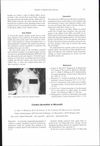
research Contact dermatitis to Minoxidil
Minoxidil can cause skin irritation like eczema and rash in some users.
research Videodermoscopy in the evaluation of hair and scalp disorders.
Videodermoscopy is a helpful, non-invasive tool for accurately diagnosing hair and scalp disorders.
research Monilethrix treated with the oral retinoid Ro 10-9359 (Tigason)
Tigason improved hair growth in a boy with monilethrix without side effects.
research Cyclic Alopecia and Abnormal Epidermal Cornification in Zdhhc13 -Deficient Mice Reveal the Importance of Palmitoylation in Hair and Skin Differentiation
The enzyme DHHC13 is essential for healthy hair and skin, and its deficiency leads to hair loss and skin problems.
research Coactivator MED1 Ablation in Keratinocytes Results in Hair-Cycling Defects and Epidermal Alterations
Deleting MED1 in skin cells causes hair loss and skin changes.

research Abstracts from the Symposium on the Pathophysiology of Hair Growth Organized by the Institute of Dermatology at the Royal Society of Medicine, 29 October 1987
The symposium concluded that hair growth involves complex processes, including the hair follicle life cycle, the role of the dermal papilla, hair strength, pigmentation, and the impact of diseases and treatments like minoxidil on hair and skin.
research Alopecia areata induzida após síndrome DRESS com rápida resolução
The patient quickly recovered from hair loss caused by DRESS syndrome using topical minoxidil.

research Helpful diagnostic markers of steroidogenesis for defining hyperandrogenemia in hirsute women
The study concluded that androstendione and DHEA are important for diagnosing high male hormone levels in women with excessive hair growth.
research Light microscopy of the hair: A simple tool to "untangle" hair disorders
Light microscopy is useful for diagnosing different hair disorders.

research Pericardial, pleural effusion and anasarca: A rare complication of low-dose oral minoxidil for hair loss
A woman developed swelling in her body after taking low-dose oral minoxidil for hair loss, but it resolved after stopping the medication.

research Low-Dose Oral Minoxidil for Alopecia: A Comprehensive Review
Low-dose oral minoxidil may help treat hair loss but is not FDA-approved and can cause side effects like unwanted hair growth and heart issues.