 April 2023 in “Journal of Investigative Dermatology”
 Covering a wound can stop hair growth by promoting scarring, but boosting a process called Wnt signaling can help hair grow back even when the wound is covered.

The medicine Diane is effective in treating hair loss, severe acne, and excessive hair growth.
90 citations
,
May 2018 in “Molecular Cell” Caspase-3 helps control cell growth and organ size by activating YAP.
 50 citations
,
October 1986 in “European journal of pediatrics”
50 citations
,
October 1986 in “European journal of pediatrics” A boy with severe Vitamin D-resistant rickets did not respond to treatment and lacked a common symptom, suggesting a need for alternative treatments.
 27 citations
,
April 2020 in “Journal of Experimental Botany”
27 citations
,
April 2020 in “Journal of Experimental Botany” Glutathione helps Arabidopsis roots adapt to low phosphate by regulating a specific growth pathway.
 13 citations
,
December 2020 in “PLoS ONE”
13 citations
,
December 2020 in “PLoS ONE” Genetic factors influence growth and brain development in children.
11 citations
,
January 2018 in “DOAJ (DOAJ: Directory of Open Access Journals)” A 4-year-old boy with a rare type of rickets and hair loss improved in bone health but not hair growth after vitamin D and calcium treatment.
3 citations
,
June 2023 in “Medicina” No medications for alcohol dependence have been approved for marketing yet.
 1 citations
,
January 2020 in “bioRxiv (Cold Spring Harbor Laboratory)”
1 citations
,
January 2020 in “bioRxiv (Cold Spring Harbor Laboratory)” Dicer is crucial for hair growth in mice.
 1 citations
,
January 2016 in “Journal of Nepal Paediatric Society”
1 citations
,
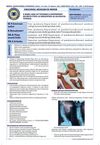
January 2016 in “Journal of Nepal Paediatric Society” A child with rickets and hair loss might have a rare type of rickets that doesn't improve much with usual vitamin D and calcium treatment.
 January 2023 in “PARIPEX INDIAN JOURNAL OF RESEARCH”
 Vitamin D Dependent Rickets Type-2A can cause complete hair loss and bone growth issues in infants.
13 citations
,
August 2023 in “Developmental Cell” Mechanosensory neurons adapt to different skin types after birth.
3 citations
,
December 2019 in “Biomaterials Research/Biomaterials research” Calcium and magnesium in hair increase with age and are higher in adult women.
 July 2026 in “Current Issues in Molecular Biology”
 Plerixafor may help restore skin pigmentation safely.
November 1998 in “European Neuropsychopharmacology” 119 citations
,
September 2000 in “Journal of Biological Chemistry” GKLF/KLF4 and Sp1 control Keratin 19 gene activity, influencing cancer-related changes.
98 citations
,
July 2006 in “Neuropsychopharmacology”  83 citations
,
April 1992 in “Clinical Endocrinology”
83 citations
,
April 1992 in “Clinical Endocrinology” Having enough iron improves the effectiveness of a specific hair loss treatment in women.
82 citations
,
May 2006 in “Cancer Nursing” Systematic symptom assessment helps prioritize care for children undergoing cancer treatment.
81 citations
,
March 1985 in “Journal of Clinical Investigation” Measuring 24-OHase induction helps identify defects in vitamin D processing and predict treatment response.
59 citations
,
January 1976 in “Vitamins and hormones” Prostate cells have proteins that bind to specific hormones, which can increase protein production when activated by these hormones.
57 citations
,
August 1997 in “Pediatrics International” VDDR I and II are genetic disorders affecting vitamin D use, causing rickets, with VDDR I treatable by vitamin D supplements and VDDR II needing high doses and calcium.
56 citations
,
January 2022 in “Burns & Trauma” WNT5A contributes to keloid scars by promoting cell changes through specific signaling pathways.
43 citations
,
April 1996 in “Journal of Investigative Dermatology” 42 citations
,
July 2017 in “Molecular therapy” A form of vitamin E promotes hair growth by activating a specific skin pathway.
42 citations
,
January 2002 in “Skin Pharmacology and Physiology” Reconstructed skin models are useful for studying how skin processes certain chemicals.
38 citations
,
November 2005 in “Journal of Investigative Dermatology Symposium Proceedings”  38 citations
,
July 1989 in “Archives of dermatological research”
38 citations
,
July 1989 in “Archives of dermatological research” Testosterone causes hair loss in AGA mice, which are good for testing baldness treatments, and both minoxidil and cyproterone acetate can prevent this hair loss.
 33 citations
,
June 2017 in “Developmental Biology”
33 citations
,
June 2017 in “Developmental Biology” Mice can correct hair follicle orientation without certain genes, but proper overall alignment needs those genes.
33 citations
,
December 1999 in “Journal of Investigative Dermatology Symposium Proceedings”