 17 citations
,
December 2015 in “International Journal of Cosmetic Science”
17 citations
,
December 2015 in “International Journal of Cosmetic Science” Visible light can improve skin disorders and hair loss, but more research is needed to understand long-term effects.

Afro-textured hair is more fragile and prone to certain scalp conditions, requiring careful treatment and more research for effective management.
 January 2022 in “Medical research archives”
 Taking vitamin D might improve life for MS patients and reduce skin side effects from alemtuzumab treatment.
 10 citations
,
May 2015 in “International Journal of Women's Dermatology”
10 citations
,
May 2015 in “International Journal of Women's Dermatology” New treatments for skin and hair disorders in women of color address unique biological differences and include specific acne medications, sunscreens, skin lighteners, and hair care adjustments.
 4 citations
,
October 2022 in “Frontiers in public health”
4 citations
,
October 2022 in “Frontiers in public health” Cadmium chloride pollution can cause skin disorders, speed up aging, and prevent hair growth.
 40 citations
,
December 2016 in “Journal of Dermatological Treatment”
40 citations
,
December 2016 in “Journal of Dermatological Treatment” JAK inhibitors show promise for treating skin and hair disorders but need more research on long-term safety and effectiveness.
 1 citations
,
November 2025 in “Clinical and Experimental Medicine”
1 citations
,
November 2025 in “Clinical and Experimental Medicine” lncRNAs are important for understanding and treating skin diseases.
 1 citations
,
May 2017 in “Journal of Stem Cell Research & Therapeutics”
1 citations
,
May 2017 in “Journal of Stem Cell Research & Therapeutics” Pluripotent stem cells show promise for treating skin color loss disorders like vitiligo.
 December 2025 in “VNU Journal of Science Medical and Pharmaceutical Sciences”
 PRP therapy is effective and safe for skin conditions like wound healing and hair loss.
 47 citations
,
January 2013 in “Indian Journal of Dermatology, Venereology and Leprology”
47 citations
,
January 2013 in “Indian Journal of Dermatology, Venereology and Leprology” Premature graying of hair may suggest health issues and currently lacks effective treatments.
 January 2026 in “Indian Journal of Plastic Surgery”
 Nonculture epidermal suspension is an effective, simple, and safe treatment for stable vitiligo.
 December 2025 in “Cosmoderma”
 Systemic corticosteroids help manage vitiligo by slowing progression and aiding repigmentation.
December 2025 in “Clinical Case Reports” Exosome therapy helped regrow and repigment beard hair in a man with alopecia.
 15 citations
,
October 2006 in “Journal of the American Academy of Dermatology”
15 citations
,
October 2006 in “Journal of the American Academy of Dermatology” Liquid nitrogen spray caused a temporary, harmless swelling under the skin in an elderly woman.
 10 citations
,
August 2012 in “Current Problems in Pediatric and Adolescent Health Care”
10 citations
,
August 2012 in “Current Problems in Pediatric and Adolescent Health Care” Hair changes can indicate systemic diseases or medication effects.
 5 citations
,
March 2019 in “Scientific Reports”
5 citations
,
March 2019 in “Scientific Reports” The technique can isolate cells to help treat skin pigmentation issues.

Hair turning darker can be a sign of skin cancer.
 31 citations
,
April 2019 in “Cell reports”
31 citations
,
April 2019 in “Cell reports” Patient-derived melanocytes can potentially treat vitiligo by restoring skin pigmentation.
 April 2024 in “The Indonesian Biomedical Journal”
 Melanocyte stem cells from non-affected skin in vitiligo patients can become functional melanocytes for potential therapy.
September 2022 in “Frontiers in Medicine” New treatments and drugs show promise for improving skin pigmentation and regeneration.
 66 citations
,
December 2014 in “Nature Communications”
66 citations
,
December 2014 in “Nature Communications” Fibroblasts can be turned into melanocytes for potential skin treatments.
 40 citations
,
May 2014 in “PLoS ONE”
40 citations
,
May 2014 in “PLoS ONE” Chronic stress can reduce skin pigmentation.
 10 citations
,
January 2010 in “Acta dermato-venereologica”
10 citations
,
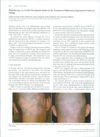
January 2010 in “Acta dermato-venereologica” Light therapy can effectively treat vitiligo and hair loss caused by a specific medication.
 4 citations
,
October 2020 in “JAAD Case Reports”
4 citations
,
October 2020 in “JAAD Case Reports” Platelet-rich plasma may improve vitiligo treatment when used with phototherapy.
4 citations
,
October 2019 in “Skin Appendage Disorders” Gefitinib can cause hair and eyebrow darkening.
 2 citations
,
January 2019 in “Springer eBooks”
2 citations
,
January 2019 in “Springer eBooks” Segmental Vitiligo is a stable, early-onset form of vitiligo that responds well to early treatment and is ideal for repigmentation studies.
 1 citations
,
April 2010 in “Expert Review of Dermatology”
1 citations
,
April 2010 in “Expert Review of Dermatology” The document concludes that early diagnosis and treatment are crucial for managing rare hair loss disorders and that more research is needed to improve treatment strategies.
 February 2006 in “Journal of The American Academy of Dermatology”
 Terbinafine is more effective than itraconazole for toenail fungus, especially in older patients, and debridement improves its effectiveness.
 30 citations
,
June 2006 in “British journal of dermatology/British journal of dermatology, Supplement”
30 citations
,
June 2006 in “British journal of dermatology/British journal of dermatology, Supplement” Oral zinc sulphate reduces dark hair color in mice.
 4 citations
,
December 2013 in “The Journal of Dermatology”
4 citations
,
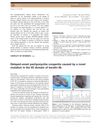
December 2013 in “The Journal of Dermatology” A new mutation in the K6b gene caused a girl's late-appearing nail condition.