May 2010 in “Europe PMC (PubMed Central)” Near-infrared probes can safely and effectively image cysteine protease activity for disease diagnosis.
 10 citations
,
May 2020 in “Journal of proteome research”
10 citations
,
May 2020 in “Journal of proteome research” Explosions don't stop hair proteins from being used to identify people.
 June 2017 in “University of the Arts London Research Online (University of the Arts London)”
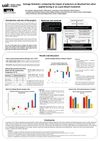
 Polymers help reduce damage and improve bleached hair when used during or after bleaching.
9 citations
,
March 2019 in “Molecular & cellular proteomics” Reductive stress messes up collagen balance and alters cell signaling in human skin cells, which could help treat certain skin diseases.
A new method was developed to gently isolate hair pigment while keeping its structure intact.
 20 citations
,
June 2012 in “British Journal of Dermatology”
20 citations
,
June 2012 in “British Journal of Dermatology” Bleaching hair damages protein structure, especially keratin, leading to weakened hair.
 4 citations
,
January 1994 in “Yakugaku zasshi”
4 citations
,
January 1994 in “Yakugaku zasshi” EPC-K is stable except at very acidic pH or when exposed to sunlight, and it can decompose in low ethanol concentrations.
 51 citations
,
January 2024 in “Nanoscale”
51 citations
,
January 2024 in “Nanoscale” Nano-PROTACs could improve drug targeting and delivery by using nanotechnology.
 January 2026 in “RSC Advances”
 Epristeride's metabolism in zebrafish helps improve doping detection methods.
 December 2022 in “Small methods”
 A new hair loss treatment using dissolving microneedles was found to speed up hair growth and was more effective than daily use of common hair growth drugs.
1 citations
,
February 2023 in “Russian Journal of Bioorganic Chemistry” The new compound may be a safer alternative to finasteride for prostate protection.
 54 citations
,
January 2013 in “Journal of Biological Macromolecules”
54 citations
,
January 2013 in “Journal of Biological Macromolecules” A new method effectively separates keratin-associated proteins and keratin from human hair.
 38 citations
,
October 2011 in “Analytical biochemistry”
38 citations
,
October 2011 in “Analytical biochemistry” Hair proteins have weak spots in their α-helical segments.
 2 citations
,
February 2004 in “Biopolymers”
2 citations
,
February 2004 in “Biopolymers” 4-(4-Phenoxybenzoyl)benzoic acid derivatives can both increase and decrease certain types of reactive oxygen species, and may be relevant to hair loss.
9 citations
,
January 1981 Nucleophilic reagents break down hair keratin, forming more lanthionine and lysinoalanine than in wool.
28 citations
,
September 1998 in “Journal of Investigative Dermatology” Two distinct caspases in human skin help with cell death and skin formation.
January 2011 in “Zhongguo xin yao zazhi” A new, safer method to make finasteride from progesterone is effective for industrial use.
57 citations
,
January 2020 in “International Journal of Molecular Sciences” PADs are crucial for healthy skin and hair, and their imbalance can cause skin and hair disorders.
5 citations
,
April 2017 in “The journal of investigative dermatology/Journal of investigative dermatology” The gene therapy showed significant wound healing and was safe for treating severe RDEB.
123 citations
,
June 2006 in “Journal of Neurobiology” Progesterone protects brain cells, but Provera does not.
 February 2025 in “International Journal of Cosmetic Science”
 Protein carbonylation is a sensitive marker for oxidative damage in hair, especially from light exposure.

De-epithelialization reduces complications in subcutaneous skin flap procedures.
70 citations
,
June 1998 in “Polymer” Permanent waving damages hair by disrupting its keratin structure.
25 citations
,
May 2019 in “Cosmetics” 18-MEA and cationic surfactants can restore and maintain hair's hydrophobic nature, improving its beauty and feel.
 8 citations
,
July 2018 in “Analytical sciences”
8 citations
,
July 2018 in “Analytical sciences” Using 5-butylpicolinate esters improves the sensitivity and reliability of detecting testosterone and dihydrotestosterone in saliva.

Hair coloring and bleaching can permanently break down hair protein and temporarily change its properties.
1 citations
,
July 1990 in “European Journal of Pharmacology”  May 2017 in “Journal of The American Academy of Dermatology”
 PLAU and SerpinB2 affect cell death differently in various forms of leprosy and could be targets for new treatments.
January 2005 in “Industrial Catalysis” The process effectively regenerates the Pd/C catalyst for finasteride synthesis.
 December 2024 in “Journal of Medicinal Chemistry”
 A new topical treatment for hair loss shows promise by targeting androgen receptors.