 40 citations
,
March 2017 in “The journal of investigative dermatology/Journal of investigative dermatology”
40 citations
,
March 2017 in “The journal of investigative dermatology/Journal of investigative dermatology” Growing hair follicles have high mitochondrial activity and ROS in specific regions, aiding hair formation.
 May 2017 in “Journal of The American Academy of Dermatology”
 LED light helps human hair root cells grow and prevents them from dying by activating specific growth pathways.
 January 1998 in “KAGAKU TO SEIBUTSU”
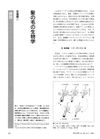
 The document suggests that male hormones likely affect hair growth and baldness, and future treatments might involve stem cells and androgen-independent cells.
June 1967 in “Journal of Cellular Physiology” The 3D hair follicle model improves understanding of hair growth and drug testing.
 131 citations
,
July 2009 in “Experimental Dermatology”
131 citations
,
July 2009 in “Experimental Dermatology” The document concludes that specific cells are essential for hair growth and more research is needed to understand how to maintain their hair-inducing properties.
February 2025 in “Chemico-Biological Interactions” 5-Fluorouracil causes hair loss by blocking signals needed for hair growth.
Low-level light therapy can promote hair growth by stimulating cell interactions in hair follicles.
April 2023 in “Journal of Investigative Dermatology” cp-asiAR may effectively treat hair loss by targeting androgen receptors.
 August 2024 in “Biomolecules & Therapeutics”
 A new compound, HTPI, promotes hair growth by protecting cells from damage and regulating energy use.
 71 citations
,
February 2020 in “Journal of Translational Medicine”
71 citations
,
February 2020 in “Journal of Translational Medicine” Progress has been made in skin and nerve regeneration, but more research is needed to improve methods and ensure safety.
Shikimic acid can promote hair growth and may help treat hair loss.
 May 2017 in “Journal of The American Academy of Dermatology”
 LED light helps human hair root cells grow and move by activating certain cell pathways.
August 2016 in “The journal of investigative dermatology/Journal of investigative dermatology” Different types of skin cells create unique support structures that can affect skin cell growth and could help in skin repair.
22 citations
,
February 2008 in “Biochemical and Biophysical Research Communications” Androgen effects on hair follicles vary by skin area.
1 citations
,
August 2021 Biomimetic dermal papilla spheres can help regenerate hair to some extent.
 1 citations
,
March 2022 in “Journal of Dermatological Science”
1 citations
,
March 2022 in “Journal of Dermatological Science” Adding TERT and BMI1 to certain skin cells can improve their ability to create hair follicles in mice.
January 2026 in “Non-coding RNA Research” Exosomal miRNA-218-5p promotes hair growth and development.
January 2022 in “Figshare” Exosomes from dermal papilla cells help hair stem cells grow through a specific signaling pathway.
 15 citations
,
July 2017 in “PubMed”
15 citations
,
July 2017 in “PubMed” Injecting a mix of human skin and hair cells into mice can grow new hair.
4 citations
,
December 2022 in “Cells” Engineered nanovesicles from fibroblasts may help treat hair loss by promoting hair growth.
 6 citations
,
January 2020 in “Methods in molecular biology”
6 citations
,
January 2020 in “Methods in molecular biology” The method successfully isolates cells that are important for hair growth and could help study hair loss.
February 2001 in “Chinese Journal of Dermatology” Epidermal growth factor (EGF) boosts the growth of hair follicle cells.
 25 citations
,
August 2010 in “Acta Biomaterialia”
25 citations
,
August 2010 in “Acta Biomaterialia” Researchers developed a method to grow hair follicle cells for transplantation using a special chip.
 September 2018 in “Cosmetics”
 Inositol and arginine solutions improve hair follicle health and turnover.
48 citations
,
April 1995 in “PubMed” Testosterone helps beard and axillary hair cells grow by releasing growth factors from dermal papilla cells.
 171 citations
,
July 2007 in “Journal of Investigative Dermatology”
171 citations
,
July 2007 in “Journal of Investigative Dermatology” A substance called DKK-1 increases in balding areas and causes hair cells to die when exposed to DHT.
1 citations
,
July 2025 in “Scientific Reports” CD133+ cells are crucial for hair growth.
July 2018 in “Chinese Journal of Dermatology” The two-step enzyme digestion method is the best for isolating axillary dermal papilla cells.
 8 citations
,
October 2018 in “Applied sciences”
8 citations
,
October 2018 in “Applied sciences” Alginate spheres help maintain hair growth potential in human cells for hair loss treatment.
 5 citations
,
November 2022 in “Journal of Ginseng Research/Journal of ginseng research”
5 citations
,
November 2022 in “Journal of Ginseng Research/Journal of ginseng research” Ginsenoside Re from Panax ginseng may prevent hair loss by maintaining autophagy and Wnt signaling in hair cells.