Search
for
Sort by
Research
510-540 / 1000+ resultsresearch Giant Morpheaform Basal Cell Carcinoma Mimicking Scarring Alopecia: Exception Prone to Neglect
A rare type of skin cancer on the scalp can be mistaken for hair loss, causing delayed diagnosis and severe damage.

research 253 Frontal fibrosing alopecia: clinical and therapeutic considerations - case series
Early treatment and multidisciplinary care are key to managing Frontal Fibrosing Alopecia and preventing further hair loss.

research Frontal fibrosing alopecia: a case series of 65 patients seen in a single Italian centre
The study concluded that severity of Frontal fibrosing alopecia is not linked to how long someone has it, can start before menopause, and eyebrow loss may be an early sign.
research 43367 Infantile Pacinian Neurofibroma: A Rare Neurogenic Tumor
A rare benign scalp tumor in an infant requires surgical removal.

research Fibromodulin-Deficiency Alters Temporospatial Expression Patterns of Transforming Growth Factor-β Ligands and Receptors during Adult Mouse Skin Wound Healing
Mice lacking fibromodulin have disrupted healing patterns, leading to abnormal skin repair and scarring.
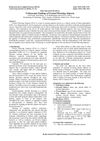
research Trichoscopic Findings of Frontal Fibrosing Alopecia
Trichoscopy is useful for diagnosing Frontal Fibrosing Alopecia.
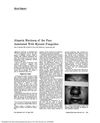
research Alopecia Mucinosa of the Face Associated With Mycosis Fungoides
Alopecia mucinosa on the face can be linked to mycosis fungoides, a type of lymphoma.

research Wound healing with topical BRAF inhibitor therapy in a diabetic model suggests tissue regenerative effects
A topical BRAF inhibitor, vemurafenib, can speed up wound healing and promote hair growth, especially in diabetic patients.
research Onychomatricoma in the Light of the Microanatomy of the Normal Nail Unit
Onychomatricoma is a unique nail tumor that mimics the entire nail unit and is not related to other hair-related tumors.
research Abstracts from the 2009 Annual Meeting of the Society for Pediatric Dermatology
UVB is good for a skin condition in Asian kids, a lotion works for head lice, a drug helps with a skin blistering disorder, a foam reduces itchiness in skin inflammation, birthmarks can be more widespread, and criteria for a neurocutaneous disorder were agreed upon.
research Melanotrichoblastoma: A Histopathological Case Report of a Rare Pigmented Variant of Trichoblastoma
A rare pigmented skin tumor called melanotrichoblastoma was diagnosed in a 51-year-old woman.
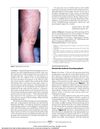
research Finasteride-Induced Pseudoporphyria
Finasteride caused blisters on hands and feet.
research Frontal fibrosing alopecia: a pathology on the rise
Frontal fibrosing alopecia is increasing, especially in postmenopausal women, and treatment with finasteride can improve it.

research Frontal fibrosing alopecia and comorbidities in a Moroccan population
Patients with Frontal fibrosing alopecia in Morocco often have skin conditions and thyroid disorders.
research Generalized trichoepitheliomas with alopecia and myasthenia gravis: Clinicopathologic and immunohistochemical study and comparison with classic and desmoplastic trichoepithelioma
Generalized trichoepitheliomas with hair loss may indicate myasthenia gravis.
research Padrão dermatoscópico das alopecias cicatriciais causadas por lúpus eritematoso discoide e líquen plano pilar
Dermoscopy helps diagnose and monitor treatment for hair loss from scarring conditions like discoid lupus and lichen planopilaris.

research Frontal fibrosing alopecia in men: A multicenter study of 39 patients
Most men with Frontal fibrosing alopecia also lose facial hair and the condition may be linked to hormone levels and sunscreen use.
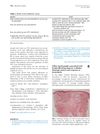
research Yellow facial papules associated with frontal fibrosing alopecia: A distinct histologic pattern and response to isotretinoin
Oral isotretinoin effectively treats yellow facial papules in frontal fibrosing alopecia patients.

research Beyond Acne: Unmasking a Varioliform Scar in an Adolescent Boy
A 16-year-old boy's facial condition improved with doxycycline, suggesting an immune response to hair follicle damage.
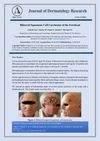
research Bilateral Squamous Cell Carcinoma of the Forehead
A 70-year-old man with skin cancer on both sides of his forehead was treated with surgery and cryotherapy, highlighting the need for early detection and prevention.

research A Case Report of Sebaceous Filaments
Topical tretinoin effectively treated sebaceous filaments, improving skin appearance.

research Radiotherapy-Induced Skin Fibrosis: Pathophysiology, Emerging Therapeutics, and the Role of Dermatology
Radiotherapy can cause skin fibrosis, which is often overlooked and needs better treatment and evaluation.
research Clinical Snippets
Razor bumps are linked to a genetic variant, misoprostol helps erythromelalgia pain, steroid ointments don't affect skin rhythms, and certain antibodies are common in localized scleroderma.
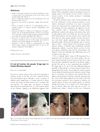
research It's not all traction: the pseudo ‘fringe sign’ in frontal fibrosing alopecia
The pseudo 'fringe sign' can also appear in frontal fibrosing alopecia, not just in traction alopecia, showing that this condition may be more common than thought.
research Three cases of postmenopausal frontal fibrosing alopecia
Cosmetic treatments can replenish key amino acids in damaged hair, improving its strength and appearance.
research Prognosis, treatment, and disease outcomes in frontal fibrosing alopecia: A retrospective review of 92 cases
Most patients with frontal fibrosing alopecia stabilized with treatment, especially younger ones, using intralesional corticosteroids and tacrolimus.
research Alopecia areata masquerading as frontal fibrosing alopecia
Alopecia areata can look like frontal fibrosing alopecia, making diagnosis hard.
research NEW ENGLAND DERMATOLOGICAL SOCIETY
The woman's widespread skin condition did not improve despite various treatments.
research Follicular mycosis fungoides associated with lithium
Lithium can cause skin changes similar to mycosis fungoides.