
A rare skin reaction occurred when a man took paracetamol, causing a new rash in an area already affected by hair loss.
 January 2005 in “Elektronische Hochschulschriften der LMU München (Ludwig-Maximilians-Universität München)”
 Topical immunotherapy with DPCP is most effective for certain alopecia areata types, with success linked to age and disease duration, and influenced by a gene polymorphism.
 20 citations
,
August 2014 in “Therapeutic delivery”
20 citations
,
August 2014 in “Therapeutic delivery” The transfollicular route shows promise for noninvasive, targeted drug delivery but needs more research.
 April 2016 in “Journal of The American Academy of Dermatology”
 Daylight photodynamic therapy is effective and well-tolerated for treating actinic keratoses with minimal side effects.
 January 1999 in “Journal of the European Academy of Dermatology and Venereology”
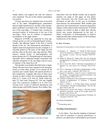
 RAPK is a rare skin disorder with pigmented spots, mainly on hands and feet, starting in youth.
 7 citations
,
December 2004 in “Medicine”
7 citations
,
December 2004 in “Medicine” Knowing how skin works and its diseases helps doctors diagnose and treat skin conditions better.
 1 citations
,
April 2017 in “Journal of Investigative Dermatology”
1 citations
,
April 2017 in “Journal of Investigative Dermatology” Topical glucocorticoids thin the skin and change collagen structure.
68 citations
,
January 2014 in “Dermatology research and practice” Skin side effects from cancer drugs targeting EGFR can affect treatment adherence but can be managed with antibiotics like tetracycline.
 January 2006 in “Carl von Ossiezky University of Oldenburg”
 Unpigmented keratinocytes absorb substances faster, while melanocytes bind more strongly to melanin.
 14 citations
,
May 2022 in “Asian Journal of Pharmaceutical Sciences”
14 citations
,
May 2022 in “Asian Journal of Pharmaceutical Sciences” New hair follicle-targeting treatments show promise for hair disorders but need more research on safety and effectiveness.
 15 citations
,
November 2002 in “Cardiology in Review”
15 citations
,
November 2002 in “Cardiology in Review” Cardiovascular drugs can cause various skin problems, so recognizing these reactions is important.
January 2009 in “The Chinese Journal of Modern Applied Pharmacy” The Potts-Guy model best predicts skin permeability for the tested drugs.
 July 2003 in “Journal of Cutaneous Medicine and Surgery”
 Treating psoriasis with UVB light three times a week is faster than twice a week, and certain medications and lifestyle factors affect psoriasis treatment outcomes.
1 citations
,
December 2023 in “Molecules/Molecules online/Molecules annual” JAK inhibitors show promise for treating various skin diseases.
Hair follicles can effectively absorb nano-sized particles, making them potential targets for localized drug delivery.
378 citations
,
February 2020 in “Nature Reviews Endocrinology” January 2026 in “AAPS introductions in the pharmaceutical sciences” 1 citations
,
February 2020 in “The Journal of clinical investigation/The journal of clinical investigation” Certain cancer drugs interact with skin bacteria to cause acne-like rashes.
 32 citations
,
April 2016 in “Aaps Pharmscitech”
32 citations
,
April 2016 in “Aaps Pharmscitech” Nanostructured lipid carriers improve minoxidil delivery for hair loss treatment.
 24 citations
,
November 2018 in “International Journal of Molecular Sciences”
24 citations
,
November 2018 in “International Journal of Molecular Sciences” Ethosomes improve drug delivery through the skin but may have side effects like irritation.
 16 citations
,
November 2020 in “International journal of pharmaceutics”
16 citations
,
November 2020 in “International journal of pharmaceutics” Using longer PEG chains helps nanoparticles penetrate hair follicles better, improving drug delivery for conditions like alopecia.
 12 citations
,
June 2022 in “FARMACIA”
12 citations
,
June 2022 in “FARMACIA” Transethosomal gels improve naftifine skin delivery better than Exoderil cream.
 January 2019 in “Springer eBooks”
 Some chemicals and drugs can cause hair loss, which usually grows back after stopping the treatment.
4 citations
,
March 2008 in “Journal of the American Academy of Dermatology”  December 2023 in “Biological & pharmaceutical bulletin”
 IPM enhances skin penetration of hydrophilic drugs.
14 citations
,
March 2019 in “European journal of pharmaceutics and biopharmaceutics” Proretinal nanoparticles improve skin absorption and reduce irritation of topical retinoids.
July 2024 in “Journal of Investigative Dermatology”  March 2005 in “Journal of The American Academy of Dermatology”
 Diphencyprone treatment protocols could be simplified as no harm occurred despite not fully following them.

The conclusion is that dermatologists need to improve prescription practices to reduce errors and drug interaction risks.