 18 citations
,
February 2017 in “Journal of Cosmetic Dermatology”
18 citations
,
February 2017 in “Journal of Cosmetic Dermatology” Mesotherapy for hair loss can sometimes cause more hair loss and scarring.
 17 citations
,
January 2015 in “International Journal of Trichology”
17 citations
,
January 2015 in “International Journal of Trichology” Frontal fibrosing alopecia may affect nails and could be a type of lichen planus, treatable with certain medications.
 16 citations
,
February 2018 in “Journal of Cosmetic Dermatology”
16 citations
,
February 2018 in “Journal of Cosmetic Dermatology” Carboxytherapy may help increase hair growth in alopecia patients but requires ongoing treatment.
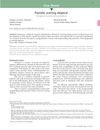 14 citations
,
December 2013 in “Anais Brasileiros De Dermatologia”
14 citations
,
December 2013 in “Anais Brasileiros De Dermatologia” A woman with long-term scalp psoriasis developed rare scarring hair loss that didn't fully respond to treatments.
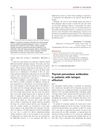 12 citations
,
February 2010 in “Journal of the European Academy of Dermatology and Venereology”
12 citations
,
February 2010 in “Journal of the European Academy of Dermatology and Venereology” Some people with chronic hair loss may have thyroid autoimmunity.
 11 citations
,
December 2020 in “Journal of Drugs in Dermatology”
11 citations
,
December 2020 in “Journal of Drugs in Dermatology” COVID-19 can cause various skin symptoms that usually improve with proper treatment.
 11 citations
,
January 2013 in “International Journal of Trichology”
11 citations
,
January 2013 in “International Journal of Trichology” Short Anagen Syndrome causes persistently short hair and increased shedding, usually improving after puberty.
 9 citations
,
July 2022 in “Dermatology and Therapy”
9 citations
,
July 2022 in “Dermatology and Therapy” The laser treatment effectively and safely improved keratosis pilaris.
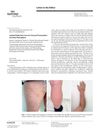 6 citations
,
January 2016 in “Skin appendage disorders”
6 citations
,
January 2016 in “Skin appendage disorders” A man with rare Lichen Planopilaris lost body hair, not scalp hair, and treatment stopped itching but didn't regrow hair.
 5 citations
,
January 2016 in “Skin appendage disorders”
5 citations
,
January 2016 in “Skin appendage disorders” A rare skin condition called linear lichen planopilaris caused itchy red bumps and hair loss on a man's face.
4 citations
,
May 2020 in “The journal of pediatrics/The Journal of pediatrics” A boy with monilethrix has brittle hair that breaks easily due to a genetic condition, which might improve by puberty.
4 citations
,
October 2019 in “Skin Appendage Disorders” Gefitinib can cause hair and eyebrow darkening.
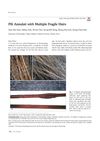 4 citations
,
January 2017 in “Annals of Dermatology”
4 citations
,
January 2017 in “Annals of Dermatology” Frequent hairdryer use may worsen hair fragility in people with Pili Annulati.
3 citations
,
July 2022 in “Indian Journal of Dermatology” ALEP is a drug-triggered skin reaction with pustules that clears up in a week after stopping the drug.
 3 citations
,
January 2013 in “Journal of the European Academy of Dermatology and Venereology”
3 citations
,
January 2013 in “Journal of the European Academy of Dermatology and Venereology” The document suggests that severe hair loss in SLE patients may be an early sign of scalp DLE, treatable with immunosuppressive therapy.
2 citations
,
January 2024 in “IEEE Access” AlopeciaDet accurately detects Alopecia Areata early using advanced image analysis.
2 citations
,
January 2023 in “Skin Appendage Disorders” Beard alopecia areata causes patchy beard hair loss, often treatable with janus kinase inhibitors.
 2 citations
,
January 2012 in “Journal of Cutaneous Pathology”
2 citations
,
January 2012 in “Journal of Cutaneous Pathology” The author clarifies that alopecia areata incognito and diffuse alopecia areata are different types of hair loss with unique symptoms and challenges in diagnosis.
1 citations
,
April 2022 in “Clinical Cosmetic and Investigational Dermatology” Topical treatment improved rare scalp lichen amyloidosis.
 1 citations
,
January 2021 in “Our Dermatology Online”
1 citations
,
January 2021 in “Our Dermatology Online” A scalp infection can look like alopecia areata and get worse if treated incorrectly.
 1 citations
,
March 2020 in “Australasian Journal of Dermatology”
1 citations
,
March 2020 in “Australasian Journal of Dermatology” The paper concludes that recognizing bitemporal alopecia areata is important for early treatment and preventing its progression.
 1 citations
,
October 2018 in “Madridge journal of dermatology & research”
1 citations
,
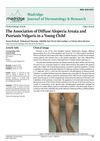
October 2018 in “Madridge journal of dermatology & research” A young child with alopecia areata and psoriasis improved with treatment, suggesting a link between the two conditions.
 1 citations
,
May 2016 in “Current Opinion in Pediatrics”
1 citations
,
May 2016 in “Current Opinion in Pediatrics” Children's hair loss can be caused by various factors and should be treated with appropriate, age-specific methods and psychological support.
 1 citations
,
April 2016 in “Actas Dermo-Sifiliográficas”
1 citations
,
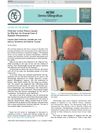
April 2016 in “Actas Dermo-Sifiliográficas” Wearing a wig caused a woman's skin condition to worsen due to pressure from the wig's fasteners.
1 citations
,
January 2016 in “Dermatology Online Journal” Triangular temporal alopecia can occur in adults and should be correctly identified to prevent misdiagnosis.
July 2026 in “Journal of Cosmetic Dermatology” Carboxytherapy improves the effectiveness of standard treatments for hair loss.
December 2025 in “Pediatric Dermatology” Trametinib can cause skin issues, but they can often be managed without stopping the drug.
 December 2025 in “Clinical Cosmetic and Investigational Dermatology”
 A rare lupus case on the chin was successfully treated with steroids and immunomodulators after accurate diagnosis using advanced imaging techniques.
November 2025 in “Skin Appendage Disorders” Fibrosis contributes to hair loss in androgenetic alopecia, and targeting it may improve treatment.
July 2025 in “Indian Dermatology Online Journal” Trichotillomania incognita can mimic hair loss patterns and requires careful diagnosis to avoid misdiagnosis.