 6 citations
,
January 2015 in “Biochemical Society Transactions”
6 citations
,
January 2015 in “Biochemical Society Transactions” The Ysc84/SH3yl1 protein family is important for cell movement and the process of taking in materials by interacting with actin and cell membranes.
37 citations
,
January 1993 in “Journal of Investigative Dermatology” 39 citations
,
April 2022 in “Biomedical Materials” A special gel helps heal skin wounds without scars by calming the immune response.
30 citations
,
October 2010 in “Biochemical and biophysical research communications” The Gsdma3 gene is essential for normal hair development in mice.
7 citations
,
December 1970 in “Biochimica et Biophysica Acta (BBA) - Protein Structure”  29 citations
,
July 2014 in “PloS one”
29 citations
,
July 2014 in “PloS one” Meis1 is crucial for skin health and tumor development.
April 2017 in “Journal of dermatological science” Removing PLCg1 from skin cells caused thicker oil glands and less hair in mice.
 January 2016 in “Journal of Investigative Dermatology”
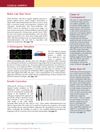
 Some cells may slow melanoma growth, a protein could affect skin pigmentation, a gene-silencing method might treat hair defects, skin bacteria changes likely result from eczema, and a defensin protein could help treat multiple sclerosis.
1 citations
,
June 2024 in “Skin Research and Technology” Human dermal fibroblast proteins help restore nerves during healing.
171 citations
,
June 2004 in “Journal of Investigative Dermatology” GLI2 activates GLI1, promoting skin tumor growth and hair development.
71 citations
,
February 1992 in “Journal of Cutaneous Pathology” Antibodies help identify glycoproteins in normal skin and tumor cells.
 260 citations
,
July 2010 in “Cell”
260 citations
,
July 2010 in “Cell” Mutations in the SRD5A3 gene cause a new type of glycosylation disorder by blocking the production of a molecule necessary for protein glycosylation.
 34 citations
,
April 2018 in “EMBO journal”
34 citations
,
April 2018 in “EMBO journal” The protein SLC1A3 is important for activating skin stem cells and is necessary for normal hair and skin growth in mice.
67 citations
,
December 2013 in “Journal of Biological Chemistry” SCD1 is crucial for skin health and overall energy balance.
24 citations
,
November 2015 in “Experimental Cell Research” Sebum from sebocytes is important for skin health and linked to conditions like acne and hair loss.
18 citations
,
January 2018 in “BMC dermatology” A new mutation in the PLEC gene causes a rare condition with skin blistering, muscle weakness, and hair loss.
March 2026 in “Wound Repair and Regeneration” MARCKSL1 is important for wound healing and could be a target to reduce scarring.
138 citations
,
December 1976 in “Journal of Biological Chemistry” The enzyme from human skin can cross-link proteins and needs calcium to work.
29 citations
,
December 2004 in “Developmental biology” cDermo-1 causes dense skin, feathers, and scales in chickens.
July 2025 in “Journal of Investigative Dermatology” Tissue-engineered skin substitutes can model junctional epidermolysis bullosa and may help develop gene therapy.
June 2026 in “Precision medicine and engineering.” The hydrogel dressing RD@PVA helps heal diabetic wounds by reducing stress and improving blood vessel growth.
GPC1 is important for blood vessel growth in hair follicles and could help treat hair loss.
November 2023 in “Вопросы современной педиатрии” Genetic testing can diagnose hair loss linked to DSG4 gene variants.
43 citations
,
July 1994 in “Journal of Cell Science” Cross-linked proteins help maintain the structure of hair, feathers, and hagfish teeth.
 April 2018 in “Journal of Investigative Dermatology”
 The keratin network in mouse skin changes during cornification and affects the skin's protective barrier.
8 citations
,
January 2023 in “International journal of molecular sciences” Transglutaminase activity is important for skin and is found in both mammals and birds.
 4 citations
,
January 2004 in “Biological and Pharmaceutical Bulletin”
4 citations
,
January 2004 in “Biological and Pharmaceutical Bulletin” AgK114 protein helps in hamster skin injury recovery.
October 2020 in “Pediatrics in Review” The newborn was diagnosed with a rare skin disorder causing blisters, which requires careful wound care and family support.
GPC1 is important for blood vessel growth in hair follicles and could help treat hair loss.
 28 citations
,
December 2011 in “Biocatalysis and biotransformation”
28 citations
,
December 2011 in “Biocatalysis and biotransformation” PDI helps restore over-bleached hair's strength and structure by attaching special peptides.