 May 2021 in “Zbalansovane prirodokoristuvannâ”
 Some shampoos have harmful ingredients that can cause health problems, but these are needed for the shampoos to work properly.
November 2022 in “International journal of trichology” Glyoxylic acid straighteners cause more protein loss but have similar hair strength effects as traditional alkaline straighteners.
Natural adsorbents in cosmetics can significantly reduce skin and hair pollution.
September 2010 in “International Journal of Cosmetic Science” Chemical treatments change hair surface properties, making it more hydrophilic and able to bind conditioners.
 January 2011 in “Journal of Society of Cosmetic Chemists of Japan”
 18-MEA and SPDA can restore damaged hair's smoothness and reduce frizz.
1 citations
,
June 2021 in “Preprints.org” Hair relaxers and straighteners can be toxic to skin cells.
 8 citations
,
January 2009 in “Transactions of the Materials Research Society of Japan”
8 citations
,
January 2009 in “Transactions of the Materials Research Society of Japan” Water-soluble wool keratin can protect human hair from damage during treatments.
 April 2025 in “BMC Chemistry”
 Thiadiazole chitosan conjugates improve hair manageability, moisture, and protection in conditioners.
 December 2023 in “Journal of dispersion science and technology”
 The natural shampoo made from Gleditsia sinensis Lam and other ingredients showed good foaming, cleaning, and protective properties.
January 2016 in “Huanjing yu Jiankang Zazhi”  23 citations
,
July 2008 in “British journal of dermatology/British journal of dermatology, Supplement”
23 citations
,
July 2008 in “British journal of dermatology/British journal of dermatology, Supplement” Topical contact sensitizers can treat certain skin conditions but are rarely used in the U.K.
 13 citations
,
January 1995 in “Journal of the American Institute for Conservation”
13 citations
,
January 1995 in “Journal of the American Institute for Conservation” Researchers developed a less damaging way to extract red dyes from wool using EDTA and DMF, preserving the fiber's strength for further analysis.
4 citations
,
October 2018 in “Skin appendage disorders” Co-washing is gentler on hair but can cause residue buildup.
9 citations
,
January 1981 Nucleophilic reagents break down hair keratin, forming more lanthionine and lysinoalanine than in wool.
8 citations
,
January 2018 in “Journal of cosmetic dermatology” Conditioners in hair dye reduce damage and improve combability.
 3 citations
,
January 2007 in “Journal of health science”
3 citations
,
January 2007 in “Journal of health science” The enzymatic method can effectively identify chemical treatments on hair.
May 2026 in “International Journal of Pharmaceutical Research and Development” Herbal shampoos are a gentler, chemical-free option for treating dandruff.
 8 citations
,
October 2014 in “Journal of analytical toxicology.”
8 citations
,
October 2014 in “Journal of analytical toxicology.” Chemical hair straightening significantly reduces detectable drug levels in hair.
7 citations
,
February 1985 in “Textile Research Journal” Cellular debris sticks to damaged wool fibers and affects wool cleanliness.
 May 2026 in “Zenodo (CERN European Organization for Nuclear Research)”
 The herbal shampoo effectively treats dandruff and is a good alternative to synthetic options.

Fetal environments contain various chemicals that may disrupt hormones.
12 citations
,
October 1981 in “International Journal of Cosmetic Science” Effective anti-dandruff products work well against scalp microbes and stick to the skin.
October 2015 in “Cosmetic Dermatology” Hair styling products and tools help improve hair's look and manageability but can damage hair if used incorrectly.
May 2026 in “International Journal of Health Management Review” Alkaline substances can severely damage hair and scalp health.
 3 citations
,
March 2005 in “Journal of the American Academy of Dermatology”
3 citations
,
March 2005 in “Journal of the American Academy of Dermatology” The lotion and shampoo effectively treated scalp seborrheic dermatitis.
 April 2023 in “Journal of Investigative Dermatology”
 Using DNase enzymes to break down harmful NETs could be a new treatment for Stevens-Johnson syndrome and toxic epidermal necrolysis.
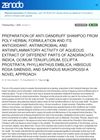 May 2026 in “Zenodo (CERN European Organization for Nuclear Research)”
 The herbal shampoo effectively treats dandruff and is a good alternative to synthetic options.
3 citations
,
October 2023 in “Cosmetics” Effervescent cleansing tablets with Asiatic acid were successfully developed, showing good stability and cleansing effectiveness.
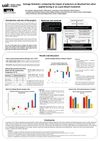 June 2017 in “University of the Arts London Research Online (University of the Arts London)”
 Polymers help reduce damage and improve bleached hair when used during or after bleaching.
60 citations
,
September 2001 in “British journal of dermatology/British journal of dermatology, Supplement” Topical contact sensitizers can treat certain skin conditions by changing the immune response.