4 citations
,
May 2025 in “The Journal of Immunology” New treatments for atopic dermatitis and alopecia areata have been developed using a targeted approach.
 4 citations
,
December 2020 in “Mammalian genome”
4 citations
,
December 2020 in “Mammalian genome” Harlequin mutant mice have hair loss due to low AIF protein levels and retroviral element activity.
 7 citations
,
January 2023 in “Frontiers in Cell and Developmental Biology”
7 citations
,
January 2023 in “Frontiers in Cell and Developmental Biology” Caspases are enzymes important for both cell death and various non-lethal cell functions, affecting head development and hair growth, with different caspases playing specific roles.
694 citations
,
April 2000 in “Nature genetics” Msx2 deficiency in mice leads to bone growth and organ development problems.
62 citations
,
March 2017 in “Journal of Investigative Dermatology” Mutations in the ACTB gene cause Becker’s nevi and may lead to muscle issues in Becker’s nevus syndrome.
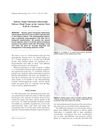 3 citations
,
May 2013 in “Pediatric Dermatology”
3 citations
,
May 2013 in “Pediatric Dermatology” A newborn girl had a rare case of salivary gland tissue on her chest, which was safely removed.
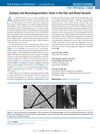 2 citations
,
October 2018 in “The journal of pediatrics/The Journal of pediatrics”
2 citations
,
October 2018 in “The journal of pediatrics/The Journal of pediatrics” The document concludes that specific hair and blood vessel abnormalities in infants with seizures and developmental issues may indicate Menkes disease, which lacks a cure and is often fatal by age 3.
 91 citations
,
May 2003 in “American Journal of Pathology”
91 citations
,
May 2003 in “American Journal of Pathology” Prolactin affects hair growth cycles and can cause early hair follicle regression.
 10 citations
,
July 2022 in “Dermatology and Therapy”
10 citations
,
July 2022 in “Dermatology and Therapy” Melasma's causes include genetics, sun exposure, hormones, and oxidative stress, and understanding these can help create better treatments.
January 2009 in “한국피부장벽학회지” Calcium is crucial for skin development and healing.
 56 citations
,
March 2015 in “Journal of Investigative Dermatology”
56 citations
,
March 2015 in “Journal of Investigative Dermatology” Healthy mitochondria in skin cells are essential for proper hair growth and skin cell interaction in mice.
22 citations
,
January 2009 in “Advances in experimental medicine and biology” FOXN1 mutations cause severe immunodeficiency, hair loss, nail issues, and thymus defects.
 25 citations
,
December 2008 in “Journal of Dermatological Case Reports”
25 citations
,
December 2008 in “Journal of Dermatological Case Reports” In vivo reflectance confocal microscopy is useful for evaluating hair shaft diseases but needs improvement for deeper hair follicle issues.
June 2025 in “British Journal of Dermatology” Nail abnormalities in children can indicate deeper health issues.
23 citations
,
July 1994 in “Journal of Dermatological Science” Pili torti hair twists due to uneven outer root sheath cell development.
 52 citations
,
October 1999 in “Developmental Dynamics”
52 citations
,
October 1999 in “Developmental Dynamics” Mutations in the hairless gene in mice affect its expression and lead to a range of developmental issues in multiple tissues.
March 2003 in “中華皮膚科醫學雜誌” Trichothiodystrophy causes unusual hair and developmental issues.
43 citations
,
January 2016 in “Development” LHX2 is essential for hair follicle development, controlled by NF-κB and TGFβ2 signaling.
125 citations
,
August 2003 in “Development” Mice with human-like EGFR had growth issues, skin defects, heart problems, and unusual bone development.
51 citations
,
August 2012 in “Differentiation” Mouse genital development depends on male or female hormones for specific features.
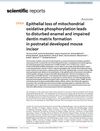 3 citations
,
December 2020 in “Scientific reports”
3 citations
,
December 2020 in “Scientific reports” Mitochondrial problems in tooth cells lead to bad enamel and dentin development in mice.
39 citations
,
November 2005 in “The journal of investigative dermatology/Journal of investigative dermatology” Fatp4 is crucial for healthy skin development and function.
27 citations
,
August 2013 in “Cell Proliferation” Understanding tooth development pathways may help regenerate teeth and treat dental issues.
 76 citations
,
May 2011 in “Cell death and differentiation”
76 citations
,
May 2011 in “Cell death and differentiation” A20 protein is crucial for normal skin and hair development.
 32 citations
,
June 2013 in “Journal of Investigative Dermatology”
32 citations
,
June 2013 in “Journal of Investigative Dermatology” Mice without certain skin proteins had abnormal skin and hair development.
 22 citations
,
December 2013 in “Molecular biology of the cell”
22 citations
,
December 2013 in “Molecular biology of the cell” ILK is essential for proper hair follicle development and structure.
2 citations
,
February 2022 in “bioRxiv (Cold Spring Harbor Laboratory)” Impaired LEF1 activation speeds up skin cell development in Hutchinson-Gilford Progeria Syndrome.
 January 2025 in “PLoS ONE”
 Elf5 controls skin cell growth and development, making it a potential target for skin treatments.

The document concludes that the development of certain tumors is influenced by genetic background and that a specific gene modification can lead to tumor regression and reduced growth.
198 citations
,
June 2013 in “Molecular psychiatry” Schizophrenia patients' stem cells show abnormal neuron development and mitochondrial issues.