58 citations
,
July 1974 in “The Journal of clinical endocrinology and metabolism/Journal of clinical endocrinology & metabolism” Cyproterone acetate combined with ethinyl estradiol significantly reduced hirsutism in women.
 30 citations
,
January 1998 in “Dermatology”
30 citations
,
January 1998 in “Dermatology” Birth control pills and cyproterone acetate can help treat acne in women, especially when linked to hormonal issues.
 11 citations
,
May 2015 in “Stem Cells Translational Medicine”
11 citations
,
May 2015 in “Stem Cells Translational Medicine” Megestrol acetate helps fat-derived stem cells grow, move, and turn into fat cells through a specific receptor.
1 citations
,
January 1989 in “Carcinogenesis” Dexamethasone reduces inflammation and delays skin cell changes caused by TPA.
 5 citations
,
September 2017 in “Medicine”
5 citations
,
September 2017 in “Medicine” A patient with Cronkhite-Canada Syndrome developed colon cancer that spread to the liver, showing the need for regular cancer checks in such patients.
 19 citations
,
January 1997 in “Dermatologic Clinics”
19 citations
,
January 1997 in “Dermatologic Clinics” Most treatments for hair loss in 1997 were not effective for most people, and maintaining hair growth was difficult.
 117 citations
,
May 2017 in “Human Reproduction Update”
117 citations
,
May 2017 in “Human Reproduction Update” The update highlights that non-classic congenital adrenal hyperplasia is common in women with excess male hormones, requires specific hormone tests for diagnosis, and has various treatment options depending on age and symptoms.
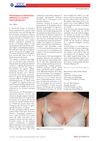 1 citations
,
August 2012 in “Journal der Deutschen Dermatologischen Gesellschaft”
1 citations
,
August 2012 in “Journal der Deutschen Dermatologischen Gesellschaft” A woman's hyperandrogenism was caused by a genetic mutation leading to non-classic adrenogenital syndrome.
 1 citations
,
November 1996 in “Journal of Cutaneous Medicine and Surgery”
1 citations
,
November 1996 in “Journal of Cutaneous Medicine and Surgery” Hormones, especially androgens, play a key role in causing acne, and treatments like hormone control pills and hormone-blocking medications can help.
January 1989 in “Handbook of experimental pharmacology” Drugs can change hair growth and this is important because it can upset people.
56 citations
,
November 2003 in “Journal of Investigative Dermatology” MMP-19 may worsen skin diseases by affecting skin growth and inflammation.
9 citations
,
June 1999 in “Journal of Investigative Dermatology” The HPV type 11 region activates hair-specific gene expression in mice.
 124 citations
,
August 1994 in “Journal of Investigative Dermatology”
124 citations
,
August 1994 in “Journal of Investigative Dermatology” Dexamethasone speeds up hair loss in mice, while cyclosporin A slows it down.
 December 2005 in “Endocrine-related cancer”
 A woman's adrenal tumor disappeared after treatment with cyproterone acetate.
 232 citations
,
June 1975 in “Journal of Steroid Biochemistry”
232 citations
,
June 1975 in “Journal of Steroid Biochemistry” Cyproterone acetate is effective for acne but less so for hirsutism and alopecia, with some side effects and quick menstrual cycle recovery after treatment.

Dexamethasone-primed stem cell media shows promise in treating lupus by reducing symptoms and inflammation.
 42 citations
,
February 1985 in “Journal of the American Academy of Dermatology”
42 citations
,
February 1985 in “Journal of the American Academy of Dermatology” Excessive hair growth can be assessed by history, exam, and blood tests, and treated with medication like dexamethasone, birth control pills, and spironolactone.
 32 citations
,
October 2003
32 citations
,
October 2003 Spironolactone is better than placebo for reducing excessive hair growth in women, but its effectiveness for acne is unclear due to small study sizes.
 24 citations
,
March 2002 in “Expert opinion on investigational drugs”
24 citations
,
March 2002 in “Expert opinion on investigational drugs” Different anti-androgen medications can help treat excessive hair growth, but the right choice depends on accurate diagnosis.
 20 citations
,
October 2017 in “Clinical Endocrinology”
20 citations
,
October 2017 in “Clinical Endocrinology” The conclusion is that removing both ovaries is the best treatment for excess male hormones in postmenopausal women, with medication as another option, and managing insulin resistance is important for diagnosis and treatment.
 19 citations
,
July 1990 in “Cleveland Clinic journal of medicine”
19 citations
,
July 1990 in “Cleveland Clinic journal of medicine” Androgen excess disorders in women were effectively treated with spironolactone, estrogen, and dexamethasone.
 January 2025 in “Advances in Dermatology and Allergology”
 A holistic approach, including medical treatments, lifestyle changes, and mental health support, is crucial for managing hirsutism in women.
 December 2011 in “InTech eBooks”
 Systemic corticosteroids can help treat rapidly spreading vitiligo but require more research for safer use.
 8 citations
,
January 1996 in “Gynecological Endocrinology”
8 citations
,
January 1996 in “Gynecological Endocrinology” Cyproterone acetate is the preferred treatment for women's hyperandrogenism when estrogen/progestogen use is safe.
 1 citations
,
August 2013 in “Springer eBooks”
1 citations
,
August 2013 in “Springer eBooks” Birth control pills and anti-androgen medications help manage hair growth, acne, and hair loss in women with PCOS.
 305 citations
,
February 2007 in “Hormone and metabolic research”
305 citations
,
February 2007 in “Hormone and metabolic research” Human skin makes sexual hormones that affect hair growth, skin health, and healing; too much can cause acne and hair loss, while treatments can manage these conditions.
 130 citations
,
September 1990 in “Journal of the American Academy of Dermatology”
130 citations
,
September 1990 in “Journal of the American Academy of Dermatology” Flutamide effectively reduced excessive hair growth and improved related symptoms in hirsutism patients without significant side effects.
 105 citations
,
January 2009 in “Medicine”
105 citations
,
January 2009 in “Medicine” Hirsutism is more linked to high androgen levels than acne or hair loss, and a mix of hormonal tests is best for diagnosis; certain treatments can reduce symptoms.
 96 citations
,
September 2008 in “Seminars in Cutaneous Medicine and Surgery”
96 citations
,
September 2008 in “Seminars in Cutaneous Medicine and Surgery” Hormonal treatments, including birth control and antiandrogens, can effectively treat acne in women.
 52 citations
,
June 1999 in “Endocrinology and Metabolism Clinics of North America”
52 citations
,
June 1999 in “Endocrinology and Metabolism Clinics of North America” Antiandrogen treatments combined with oral contraceptives can help manage hair growth and hair loss in women with PCOS.