11 citations
,
July 2015 in “Frontiers in Cellular Neuroscience” Corticosterone makes ethanol more effective at blocking brain processes important for learning and memory.
January 2024 in “Specialty journal of Pharmacognosy Phytochemistry and Biotechnology” Genetic factors may influence how well valproic acid works and its side effects in epilepsy treatment.
 10 citations
,
January 2008 in “Acta dermato-venereologica”
10 citations
,
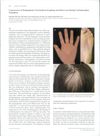
January 2008 in “Acta dermato-venereologica” Carbamazepine caused hair loss and skin eruptions in a woman, which improved after stopping the medication.
 65 citations
,
July 2013 in “International Clinical Psychopharmacology”
65 citations
,
July 2013 in “International Clinical Psychopharmacology” Mood stabilizers like lithium and anticonvulsants have side effects that can lead to patients stopping their medication, and managing these effects is important for treatment adherence.
March 2018 in “New scientist”  2 citations
,
February 2003 in “Annals of Neurology”
2 citations
,
February 2003 in “Annals of Neurology” Neuroimaging suggests that treatments targeting brain steroids could help control epilepsy, especially types linked to the menstrual cycle.
11 citations
,
December 2012 in “Alcoholism Clinical and Experimental Research” Ethanol withdrawal reduces the brain's response to certain calming steroids, making seizures harder to control.
3 citations
,
April 2024 in “JAAD Case Reports” DPCP may be safe for treating alopecia during pregnancy, but more research is needed.
 5 citations
,
August 2018 in “European Psychiatry”
5 citations
,
August 2018 in “European Psychiatry” Some psychiatric drugs can cause severe hair loss, especially valproic acid, and it's more likely in women or those with thyroid issues or past hair loss.
 21 citations
,
June 2011 in “Journal of child neurology”
21 citations
,
June 2011 in “Journal of child neurology” Valproic acid and carbamazepine do not change biotin or biotinidase levels but may lower zinc levels, still within normal range.
 7 citations
,
September 2017 in “Pharmacoepidemiology and Drug Safety”
7 citations
,
September 2017 in “Pharmacoepidemiology and Drug Safety” The use of Diane-35 and its generics significantly decreased in the Netherlands.
 15 citations
,
June 2019 in “Journal of Neuroendocrinology”
15 citations
,
June 2019 in “Journal of Neuroendocrinology” Isoallopregnanolone may be a safe and effective treatment for reducing tics in a mouse model of Tourette syndrome.
January 2024 in “Indian Journal of Psychiatry” Precision neuromodulation may improve schizophrenia symptoms.
2 citations
,
January 2016 in “DOAJ (DOAJ: Directory of Open Access Journals)” Zinc supplements may help reduce hair loss caused by levetiracetam without affecting seizure control.
36 citations
,
May 2005 in “BMC dermatology” DPCP is effective for treating severe alopecia areata, but relapse is common.
 116 citations
,
April 2002 in “American journal of veterinary research”
116 citations
,
April 2002 in “American journal of veterinary research” Trilostane effectively and safely treats dogs with pituitary-dependent hyperadrenocorticism, improving symptoms and adrenal gland size.
January 2013 in “Chinese Journal of Hospital Pharmacy” A reliable method was developed to measure perospirone levels in human plasma for clinical use.
 1 citations
,
September 2016 in “Acta Chromatographica”
1 citations
,
September 2016 in “Acta Chromatographica” Created method to measure doxazosin mesylate and finasteride together.
June 2021 in “SWU eJournals System (Srinakharinwirot University)” Mixed coconut oil/solvent is suitable for cyproterone acetate injections, but more safety checks are needed.
3 citations
,
August 2023 in “The Journal of Pediatrics” Sodium valproate can rarely cause skin darkening, which may improve after stopping the drug.
 1 citations
,
September 2007 in “European journal of paediatric neurology”
1 citations
,
September 2007 in “European journal of paediatric neurology” Low dose valproic acid treatment caused hair loss in a young patient.
 19 citations
,
January 2000 in “Biological and Pharmaceutical Bulletin”
19 citations
,
January 2000 in “Biological and Pharmaceutical Bulletin” Diclofenac salt delivery through skin varies based on the salt's counterions.
April 2022 in “Reactions Weekly”  6 citations
,
August 2021 in “International Journal of Pharmaceutics”
6 citations
,
August 2021 in “International Journal of Pharmaceutics” A new device, IVL-PPF Microsphere®, was created to deliver a hair loss drug for up to 3 months with one injection, potentially replacing daily pills.
October 2011 in “The American Journal of Gastroenterology” Esomeprazole can cause hepatitis.
5 citations
,
January 2016 in “Clinical psychopharmacology and neuroscience/Clinical Psychopharmacology and Neuroscience” Valproate can cause rare hair curling in some patients.
5 citations
,
January 1991 in “Drugs of The Future” 8 citations
,
March 2021 in “Drug testing and analysis” Researchers improved a method to more accurately estimate when and how long a drug was taken using hair analysis.
 13 citations
,
July 2019 in “Toxicology research”
13 citations
,
July 2019 in “Toxicology research” Ethanamizuril is safe for rats at 20 mg/kg feed, but higher doses cause hair loss, organ changes, and liver, kidney, and lung damage.
 47 citations
,
November 2002 in “Journal of Neurochemistry”
47 citations
,
November 2002 in “Journal of Neurochemistry” Progesterone boosts alcohol's effect on brain, finasteride counters it.