 August 2025 in “Nutrients”
 Eating more antioxidant-rich foods and less alcohol may help reduce hair loss.
June 2025 in “Annals of the Rheumatic Diseases” Pregnant women with rheumatic diseases often have poor nutrition, needing more folic acid, calcium, and iron, while consuming too much selenium.
 January 2025 in “Advances in Dermatology and Allergology”
 Eating foods with sulfhydryl may worsen pemphigus vulgaris.
February 2023 in “American Journal of Biomedical and Life Sciences” Hair analysis can effectively assess nutritional status.
 February 2022 in “International journal of KIU”
 Certain genes and nutrients like vitamin D, zinc, and omega fatty acids affect COVID-19 severity and infection risk.
January 2020 in “University of the Western Cape Electronic Theses and Dissertations Repository (University of the Western Cape)” Many young adults in Gaborone use dietary supplements without knowing the risks.
October 2008 in “Trace Elements and Electrolytes” Tailored supplementation of calcium, magnesium, and vitamin D based on hair analysis may improve bone health.
 11 citations
,
June 2012 in “Archives of Dermatological Research”
11 citations
,
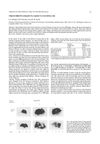
June 2012 in “Archives of Dermatological Research” L-cystine and vitamin B6 at high doses prevented hair loss in mice treated with a chemotherapy drug.
 10 citations
,
May 1986 in “Experientia”
10 citations
,
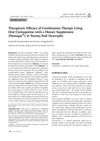
May 1986 in “Experientia” Too much zinc in the diet can cause hair loss and color change in young mice by reducing copper in the body.
 7 citations
,
January 2017 in “Annals of Dermatology”
7 citations
,
January 2017 in “Annals of Dermatology” Oral cyclosporine combined with Pantogar® effectively treats twenty-nail dystrophy.
October 2024 in “Clinical Chemistry” The girl's motor issues were due to scurvy from a lack of vitamin C, which improved with supplements.
Increased calcium in hair may signal early bone health issues in menopausal women.
March 1995 in “Proceedings of the British Society of Animal Science” Dogs absorb zinc better from amino acid-chelated sources than inorganic ones.
March 1995 in “Proceedings of the British Society of Animal Science” Zinc is absorbed better in dogs when supplied as a chelate with amino acids.
 17 citations
,
April 2004 in “Acta Clinica Belgica”
17 citations
,
April 2004 in “Acta Clinica Belgica” UV light makes skin signs of lack of carotene and vitamin A more visible.
2 citations
,
January 2022 in “Italian journal of dermatology and venereology” Unhealthy lifestyle and diet may increase the risk of early hair loss in young men.
 November 2024 in “PubMed”
 The supplement improved hair density and was safe to use.
April 2017 in “The FASEB Journal” Soy foods may lower colon cancer risk.
North American ginseng extract helped regrow hair in balding mice.
10 citations
,
August 2023 in “Clinical Nutrition” Certain elements in maternal hair are linked to higher gestational diabetes risk and lower infant mental development.
9 citations
,
November 2007 in “Blood” TMPRSS6 is crucial for controlling hepcidin and normal iron absorption.
2 citations
,
May 1981 in “Journal of Animal Science” Hair mineral analysis is not very useful for assessing overall mineral composition in animals.
 1 citations
,
June 2018 in “International Journal of Contemporary Pediatrics”
1 citations
,
June 2018 in “International Journal of Contemporary Pediatrics” Poor nutrition in young children causes skin and hair issues, highlighting the need for better nutrition education.
 November 2024 in “Deleted Journal”
 Lactating women need education on maintaining adequate zinc levels.
June 2020 in “The journal of investigative dermatology/Journal of investigative dermatology” Different diets change the fat composition in mouse skin, often reducing beneficial omega-3 fatty acids.
January 1985 in “OhioLink ETD Center (Ohio Library and Information Network)” 466 citations
,
June 2009 in “Experimental dermatology” We now understand more about what causes acne and this could lead to better, more personalized treatments.
 222 citations
,
January 2014 in “International journal of reproductive medicine”
222 citations
,
January 2014 in “International journal of reproductive medicine” Insulin resistance and obesity are key factors in the development and worsening of polycystic ovary syndrome, and lifestyle changes are important for managing it.
 214 citations
,
March 1993 in “Archives of Dermatology”
214 citations
,
March 1993 in “Archives of Dermatology” Telogen effluvium is a reversible hair loss condition that requires a detailed diagnosis and often resolves on its own.