1 citations
,
January 1982 in “International Journal of Immunopharmacology” Too much zinc can cause hair loss and weaken the immune system.
March 1996 in “Proceedings of the British Society of Animal Science” Increasing dietary zinc improves dog coat quality.
March 1996 in “Proceedings of the British Society of Animal Science” Increasing dietary zinc improves dogs' hair growth and coat condition.
March 1986 in “Fed. Proc., Fed. Am. Soc. Exp. Biol.; (United States)” Marginal dietary zinc intake in rats led to weight loss and hair issues, but no significant changes in blood fractions.
39 citations
,
July 2007 in “SKINmed Dermatology for the Clinician” A 4-year-old girl's hair loss stopped after taking zinc supplements and changing her diet.
11 citations
,
March 2023 in “Frontiers in Nutrition” Hair analysis can detect small changes in dietary zinc intake.
March 1995 in “Proceedings of the British Society of Animal Science” Dogs absorb zinc better from amino acid-chelated sources than inorganic ones.
March 1995 in “Proceedings of the British Society of Animal Science” Zinc is absorbed better in dogs when supplied as a chelate with amino acids.
 10 citations
,
May 1986 in “Experientia”
10 citations
,
May 1986 in “Experientia” Too much zinc in the diet can cause hair loss and color change in young mice by reducing copper in the body.
 November 2024 in “Deleted Journal”
 Lactating women need education on maintaining adequate zinc levels.
33 citations
,
November 1999 in “The Veterinary clinics of North America. Small animal practice/Veterinary clinics of North America. Small animal practice” Dogs with zinc-responsive dermatosis need zinc supplements or dietary changes for treatment.
45 citations
,
December 1994 in “Journal of Nutrition” The type of zinc in a dog's diet affects hair growth and health.
November 2024 in “Journal of Medical and Life Science” Vitamin D and Zinc deficiencies can cause various symptoms, but supplements and lifestyle changes can improve them.
 June 2024 in “Archives of dermatological research”
 Dietary supplements might help prevent post-COVID hair loss, but serum ferritin is not a reliable indicator.

Iron supplements improved hemoglobin levels and combined iron and zinc reduced measles risk in Indonesian infants.
January 2024 in “Ageing & longevity” Good nutrition and essential trace elements like zinc, selenium, and iron are important for a strong immune system and reducing COVID-19 severity.
 June 2015 in “Journal of the turkish academy of dermatology”
 Eating the right foods is important for skin health and can help treat some skin conditions.
1 citations
,
February 2005 in “OakTrust (Texas A&M University Libraries)” Diet B improved dogs' skin and hair condition.
February 2023 in “American Journal of Biomedical and Life Sciences” Hair analysis can effectively assess nutritional status.
 November 2024 in “PubMed”
 The supplement improved hair density and was safe to use.
11 citations
,
May 2020 in “Sultan Qaboos University medical journal” Bariatric surgery helps with weight loss but can cause complications and nutritional deficiencies.
 10 citations
,
January 2015 in “Journal of Dermatology and Dermatologic Surgery”
10 citations
,
January 2015 in “Journal of Dermatology and Dermatologic Surgery” Hair loss in adult females in Makkah is often linked to iron-deficiency anemia and thyroid issues.
 3 citations
,
November 2020 in “Curēus”
3 citations
,
November 2020 in “Curēus” A child's hair loss from alopecia areata was fully reversed in five months using diet and supplements.
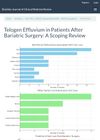 July 2024 in “Brazilian Journal of Clinical Medicine and Review”
 Hair loss after bariatric surgery is common due to nutrient deficiencies and rapid weight loss.
 July 2024 in “International Journal of Dermatology Venereology and Leprosy Sciences”
 Bariatric surgery often causes temporary hair loss due to stress and nutrient deficiencies.
Supplements improve health, appearance, and athletic performance.
 January 2017 in “International journal of clinical & experimental dermatology”
 Eating a balanced diet with vitamins, micronutrients, and antioxidants is important for hair health and can help with hair loss.
 February 2022 in “International journal of KIU”
 Certain genes and nutrients like vitamin D, zinc, and omega fatty acids affect COVID-19 severity and infection risk.
3 citations
,
July 1969 in “PubMed” Radiation reduced zinc levels, growth, organ weights, and hair pigment in swine.
 158 citations
,
May 1968 in “The journal of nutrition/The Journal of nutrition”
158 citations
,
May 1968 in “The journal of nutrition/The Journal of nutrition” Zinc is crucial for growth and health in rats.