Search
for
Sort by
Research
300-330 / 1000+ resultsresearch The role of cathepsin E in terminal differentiation of keratinocytes
Cathepsin E is crucial for normal skin cell differentiation and development.
research Potential Role of the Epidermal Differentiation Complex in the Pathogenesis of Psoriasis
The role of certain genes in skin cell development may be linked to psoriasis, but the connection is unclear.
research Megestrol Acetate Increases the Proliferation, Migration, and Adipogenic Differentiation of Adipose-Derived Stem Cells via Glucocorticoid Receptor
Megestrol acetate helps fat-derived stem cells grow, move, and turn into fat cells through a specific receptor.
research Upregulation of genes orchestrating keratinocyte differentiation, including the novel marker gene ID2, by contact sensitizers in human bulge‐derived keratinocytes
The ID2 gene can help distinguish between sensitizers and irritants in skin cells.
research Defining the complex epithelia that comprise the canine claw with molecular markers of differentiation
Canine claws have complex structures with different keratin types, similar to hair and nails.
research Trichilemmal Cysts With Divergent Ductal Differentiation: A Series of 4 Cases
Sweat duct differentiation in trichilemmal cysts is very rare and can be successfully removed with surgery.
research Erythroid Differentiation Regulator 1 as a Novel Biomarker for Hair Loss Disorders
Erdr1 could be a new marker for diagnosing hair loss.
research The role of Glucosylceramides in Keratinocyte Differentiation and Epidermal Barrier Function
Glucosylceramides are essential for healthy skin and proper wound healing.

research Supplementary Material for: Case report - Hair shaft normalization and hair growth in SPINK5-syndromic epidermal differentiation disorder (Netherton syndrome) while on treatment with dupilumab: a novel therapeutic approach for Trichorrhexis invaginata
Dupilumab improved hair and skin in a woman with Netherton syndrome.

research Supplementary Material for: Case report - Hair shaft normalization and hair growth in SPINK5-syndromic epidermal differentiation disorder (Netherton syndrome) while on treatment with dupilumab: a novel therapeutic approach for Trichorrhexis invaginata
Dupilumab improved hair and skin in a woman with Netherton syndrome.
research Case report - Hair shaft normalization and hair growth in SPINK5-syndromic epidermal differentiation disorder (Netherton syndrome) while on treatment with dupilumab: a novel therapeutic approach for Trichorrhexis invaginata
Dupilumab improved hair and skin in a woman with Netherton syndrome.
research Hemidesmosomes and Notch signaling regulate epidermal differentiation via delamination
Hemidesmosomes and Notch signaling help skin cells mature by moving them to the outer layer.
research Dendritic Cell–Associated MARCKSL1 Regulates Fibroblast Differentiation During Wound Healing
MARCKSL1 is important for wound healing and could be a target to reduce scarring.
research 169 TEDAR, a skin-specific long non-coding RNA, orchestrates the late epidermal differentiation program in the human epidermis
TEDAR is crucial for skin cell differentiation and barrier formation.
research Exploring differential gene expression and biomarker potential in systemic lupus erythematosus: a retrospective study
FCER1A and RGS1 may help diagnose and treat systemic lupus erythematosus.
research LB1256 TRIV-509, a dual inhibitor of KLK5 and KLK7, rapidly improves barrier integrity and markers of epidermal differentiation in atopic dermatitis skin explants
TRIV-509 quickly improves skin barrier and cell health in atopic dermatitis.
research Investigating the role of notch ligands regulating epidermal stem cell differentiation
Jag2 is essential for proper skin cell differentiation and organization.

research Loss of ERBB2 and ERBB3 Receptors Impacts Epidermal Differentiation in Mice
Losing both ERBB2 and ERBB3 receptors in mice causes significant skin problems and inflammation.
research ASH2L mediates epidermal differentiation and hair follicle morphogenesis via H3K4me3 modification
ASH2L is essential for skin and hair development.
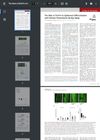
research The Role of EAAT4 in Epidermal Differentiation and Calcium Homeostasis during Aging
EAAT4 decreases with age, harming skin function and calcium balance.
research 1440 DNA dioxygenases Tet2/3 regulate gene promoter accessibility and chromatin topology in lineage-specific loci to control keratinocyte differentiation and hair growth
Tet2 and Tet3 enzymes are important for controlling hair growth and shape by affecting gene activity and DNA structure in hair follicles.
research Deciphering a Message from the Nucleus: How Transcription Factors and Spatial Chromatin Interactions Orchestrate Epidermal Differentiation
Key skin cell regulators and gene organization changes are crucial for skin cell development and could help treat skin disorders.

research 177 The Striatin-Interacting Phosphatase And Kinases complex is important for skin epidermal differentiation and barrier formation
The STRIPAK complex is crucial for skin cell organization and creating a functional skin barrier.

research The 532 Nm Laser Treatment Promotes the Proliferation of Tendon- Derived Stem Cells and Up-Regulates Nr4a1 to Stimulate Tenogenic Differentiation
A 532 nm laser at 15 J/cm2 speeds up tendon healing by increasing tendon stem cell growth and tendon-related gene activity.
research The RATIOnal Role of Polyamines in Epidermal Differentiation
Adjusting polyamine levels could help treat skin disorders like psoriasis and skin cancer.
research 604 DNA dioxygenases TET regulate keratin gene expression and enhancer networks within lineage-specific gene loci during epidermal and hair follicle-specific keratinocyte differentiation
TET enzymes are important for skin and hair development by controlling gene activity in specific areas.
research 591 Chromatin architectural protein CTCF regulates terminal keratinocyte differentiation in the developing epidermis and hair follicles
CTCF protein is essential for skin and hair follicle development in mice.
research 976 Knockout of mTOR/Akt inhibitor REDD1 results in hair cycle-independent dermal adipose expansion by promoting adipocyte differentiation
Removing REDD1 in mice increases skin fat by making fat cells larger and more numerous.
research 889 Trpv3 gain-of-function mutation impairs differentiation of hair follicle inner root sheath
A specific mutation in the TRPV3 gene causes hair follicle cells to develop improperly, leading to hair loss.