 June 2026 in “International Journal of Homoeopathic Sciences”
 Homeopathic treatment led to significant hair regrowth in a woman with Alopecia totalis.
 February 2026 in “International Journal of Homoeopathic Sciences”
 Homeopathy improved hair growth and quality of life in a man with advanced hair loss.
 January 2026 in “Journal of Case Reports and Scientific Images”
 Homeopathic treatment may help manage alopecia areata by considering the whole person.
 December 2025 in “Frontiers in Medicine”
 Biofibre ® 4.0 hair implants are safe and satisfy most patients with hair loss.
 December 2025 in “Clinical Cosmetic and Investigational Dermatology”
 Early diagnosis and multidisciplinary care, including orthopedic surgery, can prevent long-term disability in IFAP syndrome.
 November 2025 in “International Journal of Recent Innovations in Medicine and Clinical Research”
 Understanding different types of hair loss helps in accurate diagnosis and treatment.
 November 2025 in “Australian Journal of General Practice”
 Oral finasteride and topical minoxidil can regrow hair, but finasteride may affect fertility.
 October 2025 in “International Journal of Homoeopathic Sciences”
 Holistic homeopathy, lifestyle changes, and nutrition can improve chronic hair loss.
 September 2025 in “Journal of Dermatology Research Reviews & Reports”
 Rigenera® effectively improves hair condition in Androgenetic Alopecia, and HairMetrix® tracks progress well.
 September 2025 in “Frontiers in Medicine”
 Combining minoxidil with other treatments is more effective for hair growth than using minoxidil alone.
 September 2025 in “International Journal of Advanced Academic Studies”
 Combining Anu Taila Nasya and Gokshura Lepa may help reduce hair loss and promote regrowth.

Using scalp stem cells can improve hair transplants.
 November 2024 in “Benha Journal of Applied Sciences”
 Reduced alpha smooth muscle actin may cause hair loss in androgenetic alopecia.
 September 2024 in “African Journal of Biomedical Research”
 Alopecia areata patients have lower vitamin D and slightly lower copper levels, so these should be checked.
 May 2024 in “Portuguese journal of dermatology and venereology”
 Reassurance and counseling are key in managing acute telogen effluvium, with supplements possibly offering a placebo effect.
 January 2023 in “Vìsnik problem bìologìï ì medicini”
 Androgenic alopecia causes hair follicle degradation and skin restructuring, but some hair elements remain.
 January 2023 in “International journal of homoeopathic sciences”
 The document says homoeopathic treatments are good for hair regrowth in alopecia areata but doesn't give proof.
 January 2021 in “Journal of Allergy and Therapy”
 Electric Follicle Stimulation may promote hair growth and density with no known side effects.
 April 2020 in “IP Indian journal of clinical and experimental dermatology”
 Many children with alopecia areata also have other autoimmune diseases.
 January 2020 in “International Journal of PharmTech Research”
 A man with severe leprosy developed painless ulcers and numbness, treated successfully with multiple drugs and vitamins.
 January 2020 in “Der Pharmacia Lettre”
 Nanoparticle-based herbal remedies could be promising for treating hair loss with fewer side effects and lower cost, but more research is needed.
 April 2019 in “Advances in Cosmetic Surgery”
 The document concludes that ongoing medical therapy is crucial for preventing hair loss, and surgical options can restore hair, with future treatments for hair loss being promising.
 June 2016 in “Makedonski medicinski pregled”
 A man who drank too much hair growth medication got very sick but got better after hospital treatment.
November 2014 in “PharmaTutor” Finasteride may help postmenopausal women with hair loss but is not effective for all and should be used cautiously in premenopausal women.
 April 2012 in “Informa Healthcare eBooks”
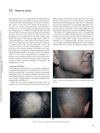
 Alopecia areata is a common autoimmune condition causing varying hair loss, diagnosed by specific patterns of inflammation around hair follicles, with several treatment options available.
 January 2012 in “Elsevier eBooks”
 Hair loss can cause emotional and social issues, and various treatments, including medication, surgery, and psychological support, are needed.
Hair transplants can cause hair loss if done while lichen planopilaris is active; wait until it's inactive for two years and check with a scalp biopsy first.
 October 2010 in “International Journal of Dermatology”
 An 86-year-old man with prostate cancer was diagnosed with a rare, low-grade breast cancer and underwent surgery but declined additional hormone therapy.
 May 2003 in “Facial Plastic Surgery Clinics of North America”
 Hair loss can be treated with medications like minoxidil and finasteride or surgery, but treatment effectiveness varies by alopecia type and accurate diagnosis is important.
 August 1998 in “Dermatologic Surgery”
 Dr. George A. Farber recommends using follicular unit transplantation for hair restoration because it gives a more natural look and has fewer problems compared to the older miniflap technique.