 1 citations
,
May 2017 in “InTech eBooks”
1 citations
,
May 2017 in “InTech eBooks” Telogen Effluvium is a common hair loss condition that can be short-term or long-lasting and is often caused by stress, illness, or nutritional issues.
 September 1998 in “JEADV. Journal of the European Academy of Dermatology and Venereology/Journal of the European Academy of Dermatology and Venereology”
 Hair changes could indicate neurological diseases and help monitor treatment.
 22 citations
,
May 2011 in “American Journal of Clinical Dermatology”
22 citations
,
May 2011 in “American Journal of Clinical Dermatology” Recognizing and managing skin-related psychiatric disorders in children is crucial for effective treatment.
 16 citations
,
February 2017 in “Dermatology and Therapy”
16 citations
,
February 2017 in “Dermatology and Therapy” The new visual scale is a quick and effective way to measure hair loss in women.
 1 citations
,
April 2018 in “Lasers in Surgery and Medicine”
1 citations
,
April 2018 in “Lasers in Surgery and Medicine” New treatments and technologies in laser medicine show promise for improving skin conditions, fat reduction, cancer treatment, wound healing, and hair restoration.
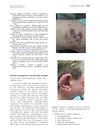
A 72-year-old man was diagnosed with a rare skin form of Rosai-Dorfman disease after years of misdiagnosis.
 March 2017 in “Fundamental & Clinical Pharmacology”
 The model and estimator can predict drug exposure in kidney transplant patients well.
 June 2026 in “International Journal of Ayurvedic Medicine (Hyderabad)”
 Combining trichoscopy with Ayurveda can improve hair loss diagnosis and treatment.
 40 citations
,
January 2010 in “Indian Journal of Dermatology, Venereology and Leprology”
40 citations
,
January 2010 in “Indian Journal of Dermatology, Venereology and Leprology” Certain diets can affect skin conditions, but more research is needed to understand these relationships fully.
 June 2016 in “CRC Press eBooks”
 Sleep problems and skin issues affect each other; poor sleep can worsen skin conditions, and some skin treatments can improve or harm sleep quality.
1 citations
,
January 2014 Some drugs can cause temporary or permanent hair loss.
September 2025 in “International Journal of Medical Informatics” A machine learning model can predict scarring in lichen planopilaris using factors like vitamin D levels and diagnostic delay.
 November 2023 in “Italian journal of dermatology and venereology”
 Telogen effluvium is a common, often temporary hair loss caused by stress and other factors, and it's hard to pinpoint and treat.
October 2025 in “Journal of Advanced Trends in Medical Research” Exosomes and PRP both show promise for hair loss treatment, but more research is needed.
 April 2019 in “Sohag Medical Journal”
 Androgenetic alopecia is the most common cause of hair loss at Sohag University Hospital's hair clinic.
21 citations
,
January 2010 in “International journal of trichology” Trichoscopy can diagnose monilethrix, a genetic hair defect causing hair thinning and loss.
October 2023 in “Journal of Gandhara medical and dental sciences” Quarantine increased hair fall, especially in young women, with no direct link to short sun exposure.
3 citations
,
December 1968 in “PubMed” Androgenetic alopecia is not caused by low iron levels.
 May 2023 in “Journal of Clinical Medicine”
 New understanding and treatments for hair loss are improving, but more research is needed.
 October 2016 in “Iranian journal of psychiatry and behavioral sciences”
 Sertraline, an antidepressant, may cause hair loss in rare cases.
7 citations
,
January 2023 in “Anti-Cancer Drugs” Early diagnosis and treatment of EGFR inhibitor-induced folliculitis decalvans can prevent permanent hair loss.
 1 citations
,
April 2025 in “Clinical Cosmetic and Investigational Dermatology”
1 citations
,
April 2025 in “Clinical Cosmetic and Investigational Dermatology” Erlotinib can cause scalp pustules and hair loss, needing early treatment with antibiotics and steroids.
 April 2024 in “Oral Surgery Oral Medicine Oral Pathology and Oral Radiology”
 The patient was diagnosed with oral lichen sclerosus and needs long-term monitoring.
 7 citations
,
May 2022 in “The Journal of Dermatology”
7 citations
,
May 2022 in “The Journal of Dermatology” Hair loss is a frequent long-term effect of COVID-19, and oral minoxidil is the most common effective treatment.
July 2024 in “JAAD Case Reports” Autoimmune diseases can change hair texture, but treatment can restore it.
 14 citations
,
April 2021 in “Clinical, Cosmetic and Investigational Dermatology”
14 citations
,
April 2021 in “Clinical, Cosmetic and Investigational Dermatology” COVID-19 may trigger sudden temporary hair loss.
33 citations
,
February 2011 in “International Journal of Dermatology” Orange spots in scalp trichoscopy can help diagnose scalp sarcoidosis.
 October 2021 in “Cosmoderma”
 Hair loss can be managed with treatments like minoxidil, finasteride, and others, but there are still gaps in effectiveness and off-label usage is increasing.
 9 citations
,
January 2017 in “International Journal of Trichology”
9 citations
,
January 2017 in “International Journal of Trichology” The study suggests that mast cells might be involved in the hair loss condition telogen effluvium and could be a target for treatment.
 8 citations
,
October 2022 in “Regenerative Therapy”
8 citations
,
October 2022 in “Regenerative Therapy” New regenerative treatments for hair loss show promise but need more research for confirmation.