 5 citations
,
February 2017 in “Australasian Journal of Dermatology”
5 citations
,
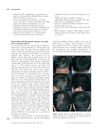
February 2017 in “Australasian Journal of Dermatology” Scarring hair loss found in female pattern; biopsy needed for diagnosis.
 10 citations
,
July 2012 in “International Journal of Dermatology”
10 citations
,
July 2012 in “International Journal of Dermatology” Syphilis can cause hair loss and should be considered in unexplained cases.
 25 citations
,
June 2015 in “Seminars in Cutaneous Medicine and Surgery”
25 citations
,
June 2015 in “Seminars in Cutaneous Medicine and Surgery” The article explains how to tell apart and treat two common causes of hair loss in women.
2 citations
,
February 2024 in “Journal of the European Academy of Dermatology and Venereology” Diffuse alopecia areata in children has unique features and needs specific treatment.
 19 citations
,
February 2016 in “Journal of The American Academy of Dermatology”
19 citations
,
February 2016 in “Journal of The American Academy of Dermatology” CD3+ T-cell presence is a reliable marker to tell apart alopecia areata from pattern hair loss.
February 2025 in “Archives of Dermatological Research” Fibrosing alopecia can be diagnosed without typical signs of lichen planopilaris.
 67 citations
,
November 2002 in “Journal of The American Academy of Dermatology”
67 citations
,
November 2002 in “Journal of The American Academy of Dermatology” The document concludes that careful evaluation is key to diagnose and treat women with hair loss, with tests for thyroid, iron, and hormones as needed.
 2 citations
,
January 2017 in “Przegla̧d dermatologiczny”
2 citations
,
January 2017 in “Przegla̧d dermatologiczny” Two trichoscopic patterns found in hair loss: diffuse fibrotic and androgenetic alopecia, affecting treatment choice and regrowth chances.
 6 citations
,
August 2006 in “Journal of Cutaneous Pathology”
6 citations
,
August 2006 in “Journal of Cutaneous Pathology” Two teenage brothers had a rare, treatment-resistant form of female-pattern hair loss with unusual scalp changes.
 5 citations
,
September 2020 in “Journal of The American Academy of Dermatology”
5 citations
,
September 2020 in “Journal of The American Academy of Dermatology” Men can experience female pattern hair loss, needing different treatments.
 6 citations
,
October 2019 in “Case Reports in Dermatology”
6 citations
,
October 2019 in “Case Reports in Dermatology” The document concludes that treatment can improve hair growth and symptoms in Fibrosing Alopecia in a Pattern Distribution.
 March 2024 in “Case Reports in Dermatology”
 A woman's hair loss was misdiagnosed as alopecia areata but was actually lichen planopilaris, needing immediate and ongoing treatment.
 May 2024 in “World Journal Of Advanced Research and Reviews”
 Low iron levels are strongly linked to chronic hair loss in women.
 January 2024 in “Journal of Cosmetic Dermatology”
 Men's and women's pattern hair loss progress differently, with men showing more hair thinning and women having more widespread hair loss.
 November 2023 in “International Journal of Dermatology”
 Most women with long-term, widespread hair loss need a tissue examination for an accurate diagnosis.
2 citations
,
January 2021 in “Journal of The American Academy of Dermatology” A simple scalp scraping can effectively distinguish fibrosing alopecia from androgenetic alopecia with seborrheic dermatitis.
2 citations
,
January 2022 in “Annals of Dermatology” Treatment type and patch size affect hair regrowth patterns in alopecia areata.
5 citations
,
October 2019 in “JAAD Case Reports” These hair loss conditions might be part of a spectrum, not separate issues.
 6 citations
,
April 2015 in “Infection”
6 citations
,
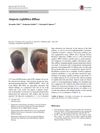
April 2015 in “Infection” Treatment with benzylpenicillin and prednisolone cured the patient's syphilis and hair loss.
2 citations
,
September 2023 in “Journal of the European Academy of Dermatology and Venereology” Trichoscopy is a useful tool for diagnosing different types of female hair loss without needing a biopsy.
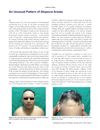 January 2014 in “International Journal of Trichology”
 A man had an unusual type of hair loss that didn't match known patterns and didn't improve with treatment.
 22 citations
,
January 2013 in “International Journal of Trichology”
22 citations
,
January 2013 in “International Journal of Trichology” Hair loss is often linked to thyroid problems, especially in women and older people, and screening for thyroid issues is advised for those with hair loss.
 42 citations
,
January 2008 in “Dermatology”
42 citations
,
January 2008 in “Dermatology” Dermoscopy effectively distinguishes between acute total hair loss and other types of female hair loss.
 34 citations
,
June 2007 in “The Journal of Dermatology”
34 citations
,
June 2007 in “The Journal of Dermatology” Most Korean systemic lupus erythematosus patients experienced hair loss, often as non-scarring diffuse hair loss, with non-scarring patch alopecia also common.
 13 citations
,
May 2004 in “Facial Plastic Surgery Clinics of North America”
13 citations
,
May 2004 in “Facial Plastic Surgery Clinics of North America” Surgeons need to understand natural hair patterns for better hair restoration results.
 3 citations
,
October 2021 in “Indian Journal of Plastic Surgery”
3 citations
,
October 2021 in “Indian Journal of Plastic Surgery” Not all hair loss patients are suitable for hair transplant due to various conditions like unstable hair loss, insufficient hair loss, very young age, unrealistic expectations, certain psychological disorders, and medical unfitness.
 November 2025 in “International Journal of Research in Medical Sciences”
 Diffuse alopecia in females is often linked to certain medications, diseases, and low hemoglobin, while female pattern hair loss is linked to age, duration, and family history.
 4 citations
,
May 2022 in “Frontiers in Medicine”
4 citations
,
May 2022 in “Frontiers in Medicine” About 11% of patients with secondary syphilis had Syphilitic Alopecia, which usually improved with treatment.
 January 2021 in “Our Dermatology Online”
 A young man's hair loss was the only sign of syphilis, which improved after treatment.
110 citations
,
September 1999 in “British Journal of Dermatology” Female hair loss can occur without androgens.