 March 2011 in “European Urology Supplements”
 The document concludes that a new biosensor can efficiently detect prostate cancer cells and that standardized referrals help find significant cancers effectively.
 March 2011 in “European Urology Supplements”
 Blood tests for tumor cells could improve prostate cancer diagnosis and treatment; hair loss severity linked to a gene affecting prostate conditions.
 October 2010 in “International Journal of Dermatology”
 An 86-year-old man with prostate cancer was diagnosed with a rare, low-grade breast cancer and underwent surgery but declined additional hormone therapy.
 October 2010 in “Journal of Men's Health”
 Some patients may experience lasting sexual dysfunction, depression, and other side effects from 5α-reductase inhibitor therapy.
 October 2010 in “Journal of Men's Health”
 Larger prostate size in older men may be linked to poorer semen quality and fertility issues.
Finasteride is more stable in sunlight than Diclofenac and Naproxen.
 October 2008 in “The Journal of Urology”
 Finasteride reduces prostate cancer risk but may increase high-grade tumors and has side effects; biopsy methods have similar outcomes; psychosocial factors affect sexual recovery post-surgery.
 April 2008 in “Australasian journal of dermatology”
 The book gives a basic overview of mesotherapy and fat-dissolving injections but lacks detailed guidance and effectiveness comparisons for practitioners.
 June 2007 in “Nature Clinical Practice Urology”
 Finasteride for hair loss lowers PSA levels, so PSA values need adjusting when screening for prostate cancer.
 October 2006 in “Aging Health”
 Dutasteride effectively treats benign prostatic obstruction, improves urinary flow, reduces prostate size, and may prevent prostate cancer, but can cause sexual side effects.
 January 2006 in “Actas Urológicas Españolas”
 Incidental prostate cancer was found in 4.89% of patients undergoing surgery for benign prostatic hyperplasia.
 April 2005 in “AORN Journal”
 The book is a detailed guide on dermatologic surgery techniques, recommended for both new and experienced doctors.
Finasteride is popular for treating male hair loss but may increase the risk of serious prostate cancer and has other potential side effects.
 May 2004 in “Dermatologic Surgery”
 Most men stopped using finasteride for baldness due to unsatisfactory results or were lost to follow-up, and those who continued saw minimal to moderate improvement.
 January 2003 in “Springer eBooks”
 Children with diabetes often have skin problems, which can be better managed with good blood sugar control.
 June 2002 in “Dermatologic Surgery”
 Chinese scalps have fewer hair clusters than Caucasians, and transplanting 30 clusters per square centimeter creates a natural-looking hairline for bald Chinese individuals.
 January 2021 in “Journal of cosmetology & trichology”
 The treatment improved hair growth and thickness in patients with hair loss, even 10 months after therapy without additional products.
 November 2020 in “Journal of The American Academy of Dermatology”
 The conclusion is that many small genetic variations influence claw disorders in cows, and using genomic selection could help reduce these disorders.
 November 2020 in “Journal of The American Academy of Dermatology”
 Finasteride 1 mg every other month works as well as daily dose for hair loss maintenance.
 November 2020 in “Skin Research and Technology”
 Videodermoscopy better identifies female hair loss than clinical diagnosis.
 July 2020 in “Bioinformatics and Bioengineering”
 Found key genes affecting hair loss, immune response, and skin development; more research needed for better treatments.
 August 2017 in “Drug and Therapeutics Bulletin”
 Finasteride may cause depression, suicidal thoughts, and sexual side effects.
 May 2017 in “Journal of The American Academy of Dermatology”
 Finasteride and dutasteride increase sexual dysfunction reports.
 September 2015 in “Dermatologic Surgery”
 Computer-aided imaging system accurately measures baldness in Chinese women with hair loss.
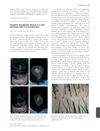 July 2011 in “British Journal of Dermatology”
 Hormone treatment caused hair loss, finasteride helped regrowth.
 March 2011 in “European Urology Supplements”
 Gene variation affects prostate issues and hair loss.
October 2002 in “Dermatologic Surgery”  6 citations
,
January 2017 in “Dermato-endocrinology”
6 citations
,
January 2017 in “Dermato-endocrinology” ADT-G may be a useful indicator of increased androgen levels in women with acne and can be lowered with certain birth control pills.
 3 citations
,
July 2015 in “Dermatologica Sinica”
3 citations
,
July 2015 in “Dermatologica Sinica” About half of Taiwanese dermatologists use dermoscopy, mainly to improve diagnosis and detect cancer early, but cost and lack of training limit its wider use.
 July 2023 in “Dermatology practical & conceptual”
 The machine learning model effectively assesses the severity of hair loss and could help dermatologists with treatment decisions.