 1 citations
,
October 2020 in “PubMed”
1 citations
,
October 2020 in “PubMed” Hormone testing may not be very helpful in diagnosing female pattern hair loss.
 14 citations
,
September 2007 in “Steroids”
14 citations
,
September 2007 in “Steroids” The study concluded that androstendione and DHEA are important for diagnosing high male hormone levels in women with excessive hair growth.
59 citations
,
September 2003 in “Journal of steroid biochemistry and molecular biology/The Journal of steroid biochemistry and molecular biology” Epitestosterone may counteract testosterone's effects and has roles in body processes like prostate growth and hair distribution.
 403 citations
,
November 2005 in “Journal of Endocrinology”
403 citations
,
November 2005 in “Journal of Endocrinology” Dehydroepiandrosterone (DHEA) is a prohormone important for producing sex steroids and has potential health benefits.
14 citations
,
June 2011 in “Steroids” New compounds may help treat prostate issues without affecting androgen receptors.
35 citations
,
November 1989 in “Journal of steroid biochemistry/Journal of Steroid Biochemistry” Epitestosterone may act as a weak antiandrogen and can inhibit an enzyme involved in testosterone metabolism.
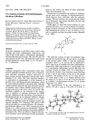 December 1998 in “Acta Crystallographica Section C-crystal Structure Communications”
 A new compound with strong antiandrogenic effects was found, potentially useful for treating conditions like acne and prostate cancer.
7 citations
,
December 1971 in “European Journal of Endocrinology” Human hair follicles can process steroid hormones like DHEA.
219 citations
,
January 2006 in “Drug Metabolism Reviews” DHEA affects multiple receptors and may help with metabolic issues, but its safety and effectiveness in humans are unclear.
35 citations
,
January 2018 in “Vitamins and hormones” DHEA affects various tissues by interacting with multiple receptors and can be converted into sex hormones.
5 citations
,
November 2015 in “Journal of Enzyme Inhibition and Medicinal Chemistry” Certain derivatives are more effective 5α-reductase type 2 inhibitors than finasteride.
 11 citations
,
August 2000 in “Journal of Endocrinology”
11 citations
,
August 2000 in “Journal of Endocrinology” DHEA acts like a male hormone on rat skin glands and doesn't turn into female hormones there.
 82 citations
,
January 2000 in “Hormone Research in Paediatrics”
82 citations
,
January 2000 in “Hormone Research in Paediatrics” DHEA stimulates skin oil glands and could help postmenopausal women, with potential for acne and excessive hair growth treatments.
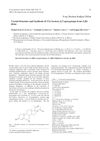 1 citations
,
January 2009 in “X-ray Structure Analysis Online”
1 citations
,
January 2009 in “X-ray Structure Analysis Online” A new compound was made that might help treat diseases related to male hormones.
1 citations
,
January 1988 Topical DHEA safely increases skin oil production.
 22 citations
,
January 2015 in “The Cochrane library”
22 citations
,
January 2015 in “The Cochrane library” DHEA may help with sexual function when used intravaginally by menopausal women but is similar to hormone therapy in other aspects and might cause more side effects like acne and hair loss.
January 2006 in “Benzina: Revista d'excepcions culturals” Trienones are more effective at inhibiting the enzyme linked to hair loss than dienones.
 April 2019 in “Journal of Investigative Dermatology”
 Testosterone affects androgen receptors and lipid storage in cells, while DHEA does not convert to testosterone or affect these receptors in the same way.
11 citations
,
June 1979 in “British Journal of Dermatology” The enzyme system in hair follicles is similar to the liver's and is affected by certain inhibitors.
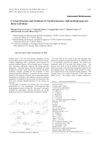 2 citations
,
October 2001 in “Analytical Sciences”
2 citations
,
October 2001 in “Analytical Sciences” A new compound that could treat various androgen-related conditions was created and analyzed.
7 citations
,
August 2010 in “Medicinal Chemistry Research” Some synthesized compounds were more effective than Finasteride in reducing prostate cancer cell growth and androgen levels.
8 citations
,
June 2017 in “Steroids” New chemical compounds were made that effectively block an enzyme linked to prostate growth.
 June 2026 in “Oriental Journal Of Chemistry”
 Steroid 12 shows promise as a targeted treatment for prostate cancer by selectively reducing cell growth and increasing cell death.
 18 citations
,
January 2002 in “Chemical & pharmaceutical bulletin/Chemical and pharmaceutical bulletin”
18 citations
,
January 2002 in “Chemical & pharmaceutical bulletin/Chemical and pharmaceutical bulletin” New pregnane derivatives were more effective than finasteride at inhibiting a key enzyme for male pattern baldness.
12 citations
,
March 2000 in “Clinical Chemistry” Chronic DHEA supplementation slightly increases testosterone in hair but stays within safe limits.
 June 2010 in “Journal of Chemical Crystallography”
 The compound was successfully made and shows potential for treating prostate cancer.
January 2002 in “Chinese Journal of Pharmaceuticals” A new method was developed to make a compound used in finasteride and epristeride with a 69% yield.
January 2004 in “DOAJ (DOAJ: Directory of Open Access Journals)” Men with androgenetic alopecia do not have elevated DHEA-S levels.
 36 citations
,
October 2009 in “Journal of Investigative Dermatology”
36 citations
,
October 2009 in “Journal of Investigative Dermatology” Dihydrotestosterone can be made from dehydroepiandrosterone in skin cells without needing testosterone.
2 citations
,
September 1992 in “Steroids” New A-homo-B, 19-dinor steroids showed strong antiandrogenic activity without affecting the enzyme 5α-reductase or androgen receptor binding.