 3 citations
,
September 1980 in “Experientia”
3 citations
,
September 1980 in “Experientia” Dobutamine does not mimic dopamine at therapeutic doses but may at very high concentrations; microfilaments, not microtubules, are important for wound healing in Xenopus embryos.
 2 citations
,
June 2018 in “Clinical and Experimental Dermatology”
2 citations
,
June 2018 in “Clinical and Experimental Dermatology” Permanent hair loss after a stem cell transplant can be a sign of chronic immune system attack on the scalp.
 2 citations
,
June 2012 in “Dermatologica Sinica”
2 citations
,
June 2012 in “Dermatologica Sinica” Dermoscopy is useful for diagnosing and monitoring discoid lupus erythematosus by showing specific skin patterns.
 2 citations
,
January 2002
2 citations
,
January 2002 Melanin and melanocytes contribute to the brown pigmentation in stasis dermatitis.
 1 citations
,
January 2018 in “Side effects of drugs annual”
1 citations
,
January 2018 in “Side effects of drugs annual” Diuretics can cause serious side effects and should be used carefully.
 1 citations
,
August 2017 in “British Journal of Dermatology”
1 citations
,
August 2017 in “British Journal of Dermatology” Sodium hypochlorite can effectively prevent and remove Staphylococcus aureus biofilms in atopic dermatitis at high enough concentrations.
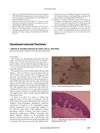 1 citations
,
January 2009 in “Actas Dermo-Sifiliográficas”
1 citations
,
January 2009 in “Actas Dermo-Sifiliográficas” Docetaxel, a chemotherapy drug, was reported to cause psoriasis in a patient for the first time.
 1 citations
,
July 2008 in “Expert Review of Dermatology”
1 citations
,
July 2008 in “Expert Review of Dermatology” Normal hair thickness varies by scalp area and a mix of hair thicknesses is typical in healthy individuals.
 1 citations
,
January 1989 in “Journal of dermatological treatment”
1 citations
,
January 1989 in “Journal of dermatological treatment” Azelaic acid may help treat acne by killing bacteria, reducing inflammation, and preventing clogged pores.
 1 citations
,
February 1977 in “Archives of Dermatology”
1 citations
,
February 1977 in “Archives of Dermatology” Fresh plasma transfusions did not help treat Leiner disease in an infant.
 April 2026 in “The National Medical Journal of India”
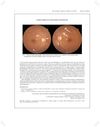
 Regular eye exams are important for detecting serious complications in lupus patients.
 December 2025 in “Cureus”
 Topical treatments like AHAs, BHAs, and urea may help keratosis pilaris, but evidence is limited.
 December 2025 in “SAS Journal of Medicine”
 Trichofolliculoma is a rare, benign scalp tumor that can be cured by surgical removal.
 June 2025 in “SAS Journal of Medicine”
 Early diagnosis of tufted hair is crucial for managing folliculitis decalvans, a chronic scalp condition.
 September 2024 in “Egyptian Journal of Medical Human Genetics”
 Consider NF1 in newborns with rare congenital anomalies.
 October 2023 in “Dermatology practical & conceptual”
 Folliculitis Decalvans and Frontal Fibrosing Alopecia can coexist in people with darker skin, showing features of both conditions.
 July 2023 in “International journal of advanced research in medical and pharmaceutical sciences”
 The gel combining minoxidil and Aloe vera could be an effective, non-irritating treatment for hair loss.
 January 2023 in “Acta historiae medicinae, stomatologiae, pharmaciae, medicinae veterinariae”
 Historical baldness remedies were varied and often based on superstition.
Screening for iron levels in patients with hair loss may help find a genetic iron overload condition early.
 June 2022 in “IP Indian journal of clinical and experimental dermatology”
 A woman had a rare, non-cancerous skin growth on her face, which was removed and did not come back after a year.
 February 2021 in “IP Indian journal of clinical and experimental dermatology”
 A rare non-cancerous tumor that grows like hair was found in an unusual spot, the vulva.
The document describes a rare case of IFAP syndrome, a genetic condition with symptoms of hair loss, light sensitivity, and scaly skin.
The woman has a scalp condition causing hair loss.

The document concludes that non-endocrine alopecia in pets varies in treatment effectiveness and often has a poor prognosis, especially in cats.
The hydrogel with 20% Hibiscus rosa-sinensis extract was the best for potential therapeutic use.
 January 2013 in “Transactions of the Materials Research Society of Japan”
 CMADK reduces hair damage from bleaching and permanent waving.
 September 2011 in “Clinical Biochemistry”
 Glycoconjugates help heal hair follicles during skin repair.
 January 2011 in “Journal of The American Academy of Dermatology”
 Treating generalized granuloma annulare is difficult, with PUVA being the most effective option, but relapses are common.
 September 2010 in “Institutional Repositories DataBase (IRDB)”
 Sorafenib can cause a temporary skin condition that goes away after stopping the drug.
 February 2009 in “Journal of The American Academy of Dermatology”
 Fractional infrared technology is effective and safe for treating cervical laxity.