
TrichoFoam™ is a stable option for personalized hair loss treatment with most ingredients remaining effective for 90-180 days.
5 citations
,
January 1992 Silicones in shampoos make hair smoother, easier to manage, and reduce friction.
Liposomes with minoxidil and PEP penetrate skin slowly but reach deeper layers than foam.
September 2024 in “Sasambo Journal of Pharmacy” The optimal pomegranate leaf extract shampoo formula effectively combats dandruff without causing hair loss.
 26 citations
,
March 2014 in “International journal of pharmaceutics”
26 citations
,
March 2014 in “International journal of pharmaceutics” Researchers created a skin treatment that could effectively deliver medication into hair follicles.
18 citations
,
January 2021 in “Theranostics” The targeted nanohybrids effectively reduced psoriasis symptoms and improved skin health.
1 citations
,
June 1999 in “American Journal of Contact Dermatitis” Shampoos should treat scalp issues while keeping hair soft and shiny.
42 citations
,
August 2016 in “Nanomedicine” The new adapalene formulation using TyroSpheres is more effective and less irritating for acne treatment.
5 citations
,
November 2024 in “Frontiers in Nutrition” LB-P9 supplements improve hair health and satisfaction without side effects.
2 citations
,
June 2018 in “Cosmetics” AMPD is a better and less damaging alternative to ammonium hydroxide for hair bleaching.
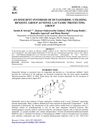 January 2017 in “Rasayan journal of Chemistry”
 Researchers created a new, efficient way to make Dutasteride, a hair loss and prostate drug, with high purity using a benzoyl group.
3 citations
,
July 2016 in “Tropical Journal of Pharmaceutical Research” Splitting non-scored tablets can lead to uneven drug distribution, posing risks.
 11 citations
,
January 2006 in “Drug development and industrial pharmacy”
11 citations
,
January 2006 in “Drug development and industrial pharmacy” Adding TPGS to minoxidil solutions can improve skin penetration and retention, especially in water and PEG 400-based solutions.
 June 2026 in “International Journal of Drug Delivery Technology”
 The new gel improves acne treatment and skin health with better delivery and fewer doses.
 January 2025 in “Dermatology Research and Practice”
 The treatment effectively repairs and strengthens damaged hair by restoring natural lipids.
 January 2017 in “Nasza Dermatologia Online”
 Both treatments helped hair regrowth in alopecia areata, with isopropanol being better tolerated.
 February 2025 in “International Journal of Cosmetic Science”
 A new amino acid derivative, ATS, improves hair texture and moisture, making it easier to straighten curly hair.
1 citations
,
January 2018 in “International Journal of Pharmaceutical Sciences and Drug Research” The minoxidil gel is stable and effective for treating alopecia areata.
3 citations
,
September 2018 in “Current Drug Delivery” The combination of propylene glycol and Tween® 80 improves finasteride gel effectiveness.
 May 2017 in “Journal of The American Academy of Dermatology”
 An intact skin barrier is crucial to prevent infection in cases of tether-induced tenosynovitis.
October 2017 in “Our Dermatology Online” DCP in isopropanol is better tolerated for treating alopecia areata.
August 2024 in “International Journal of Pharmaceutics” The treatment promotes hair growth, improves hair density, and reduces skin irritation.
 May 2017 in “Journal of The American Academy of Dermatology”
 The new baby shampoo and wash with stearic acid is safe and potentially effective for nourishing babies' skin.
 December 2023 in “Journal of molecular structure”
 Hair treatments and dehydration affect hair's lipid and protein behavior, influencing its flexibility and appearance.
6 citations
,
August 2016 in “Journal of microencapsulation” The hair lotion with methyl myristate in niosomes treats grey hair faster and better than the free form.
1 citations
,
June 2021 in “International journal of pharmaceutical compounding” Minoxidil in FOAMIL is stable for at least 180 days at various concentrations.
 61 citations
,
June 2010 in “European Journal of Pharmaceutics and Biopharmaceutics”
61 citations
,
June 2010 in “European Journal of Pharmaceutics and Biopharmaceutics” Cationic polymers improved liposome stability and increased skin absorption of aciclovir and minoxidil.
 January 2025 in “Biomedical Engineering Letters”
 MXD@CP could be a promising new topical treatment for hair loss.
2 citations
,
May 2020 in “Molecules” A new, efficient method was developed to synthesize a specific compound and its derivatives.
November 2025 in “Advanced Healthcare Materials” Charge-conversion chemistry improves hair-rebonding by enhancing penetration and strength.