39 citations
,
June 2012 in “Journal of Structural Biology” Disulfide bonds are crucial for hair structure during keratinization.
11 citations
,
April 2022 in “Biophysical Journal” Disulfide bonds in keratin fibers break more easily under stress, especially when wet, affecting fiber strength.
 1 citations
,
January 2009 in “Journal of S C C J”
1 citations
,
January 2009 in “Journal of S C C J” Changing disulfide bonds in human hair affects its melting behavior and thermal stability.
 March 2010 in “International Journal of Cosmetic Science”
 Disulfide bonds affect the melting behavior of hair's crystalline structure, but hair retains some stability even after these bonds are broken.
22 citations
,
November 2014 in “Proteins Structure Function and Bioinformatics” Cysteines in wool fibers are accessible and form important disulfide bonds.
 18 citations
,
January 2008 in “Sen'i Gakkaishi”
18 citations
,
January 2008 in “Sen'i Gakkaishi” Thioglycolic acid and L-cysteine change hair structure differently during perms, affecting hair strength and curling efficiency.
 4 citations
,
January 2015 in “Sen'i Gakkaishi”
4 citations
,
January 2015 in “Sen'i Gakkaishi” Hair and wool strength is affected by the number and type of bonds in their protein structures, with hair having more protein aggregates than wool.
1 citations
,
January 2013 in “PubMed” Permanent wave treatment with thioglycolic acid changes hair structure by altering disulfide bonds.
 May 2024 in “International Journal of Cosmetic Science”
 Disulfide bonds are crucial for hair's strength, especially when wet.
July 2026 in “Advanced Science” A new adhesive coating from scallop protein boosts hair growth better than minoxidil.
109 citations
,
January 1980 in “Science of the total environment” Analyzing trace elements in human hair is complex and needs a standardized method.
91 citations
,
December 2000 in “The journal of cell biology/The Journal of cell biology” Scientists successfully created mouse hair proteins in the lab, which are stable and similar to natural hair.
70 citations
,
June 1998 in “Polymer” Permanent waving damages hair by disrupting its keratin structure.
52 citations
,
May 2006 in “Journal of Structural Biology” Keratin-associated proteins help link filaments and affect keratin's strength.
 47 citations
,
January 2017 in “RSC Advances”
47 citations
,
January 2017 in “RSC Advances” Keratin peptides can change hair shape gently without harsh chemicals.
 25 citations
,
May 2019 in “Heliyon”
25 citations
,
May 2019 in “Heliyon” Hair treatments cause significant structural changes, especially with excessive heat, regardless of ethnicity.
 21 citations
,
February 2019 in “Experimental Dermatology”
21 citations
,
February 2019 in “Experimental Dermatology” Different fields of expertise must work together to better understand hair growth and create effective hair loss treatments.
 19 citations
,
January 2009 in “International review of cell and molecular biology”
19 citations
,
January 2009 in “International review of cell and molecular biology” Hair's strength and flexibility come from its protein structure and molecular interactions.
 16 citations
,
January 2017 in “Physical chemistry chemical physics/PCCP. Physical chemistry chemical physics”
16 citations
,
January 2017 in “Physical chemistry chemical physics/PCCP. Physical chemistry chemical physics” The 3D structure of a key hair protein was modeled, revealing specific helical structures and stabilization features.
10 citations
,
January 2012 in “International Journal of Cosmetic Science” Thioglycolic acid mainly affects the unordered areas in hair structure.
 3 citations
,
May 2024 in “Amino Acids”
3 citations
,
May 2024 in “Amino Acids” Disrupted cysteine metabolism may cause hair breakage in Alopecia Areata, suggesting potential treatments like N-acetylcysteine.
1 citations
,
January 1997 in “Skin Pharmacology and Physiology” Premature infants have less elastic hair than full-term infants.
 October 2024 in “Cosmetics”
 Afro-textured hair needs personalized care due to its unique genetic traits.
 May 2022 in “Experimental dermatology”
 Trichothiodystrophy hair is structurally abnormal with protein and organization issues.
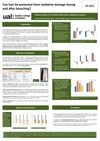 September 2018 in “University of the Arts London Research Online (University of the Arts London)”
 L-arginine, hydrolysed keratin, and cystine-silanol copolymer can help protect hair from damage during and after bleaching.
January 2026 in “Molecules” A new perming method is less damaging to hair and works as well as traditional methods.
 September 2025 in “International Journal of Cosmetic Science”
 Heat and UV exposure damage hair structure by altering keratins.

Human hair keratins can be turned into useful 3D biomedical scaffolds through a freeze-thaw process.
May 2026 in “International Journal of Cosmetic Science” A plant-based treatment from Avena strigosa seeds effectively repairs and strengthens damaged hair.
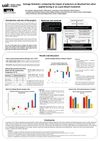 June 2017 in “University of the Arts London Research Online (University of the Arts London)”
 Polymers help reduce damage and improve bleached hair when used during or after bleaching.