61 citations
,
April 2023 in “Advanced Materials” The new electrode improves long-term monitoring on hairy skin by reducing motion issues and is easy to use.
MVP treatment is effective and safe for recurrent breast cancer.
 November 2015 in “Clin-Alert”
 Some medications and supplements can cause serious side effects, including hair loss, heart rhythm problems, liver injury, and other health issues.
 10 citations
,
October 1993 in “Archives of dermatological research”
10 citations
,
October 1993 in “Archives of dermatological research” Vitamin D compounds may help treat psoriasis by promoting skin cell differentiation.
18 citations
,
April 2011 in “Neuropharmacology” 11β-Hydroxylase inhibitors help prevent seizures in mice by boosting natural neurosteroid production.
 10 citations
,
January 2008 in “Acta dermato-venereologica”
10 citations
,
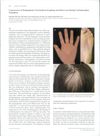
January 2008 in “Acta dermato-venereologica” Carbamazepine caused hair loss and skin eruptions in a woman, which improved after stopping the medication.
A rash from semaglutide may be due to propylene glycol, not the drug itself.
 2 citations
,
January 2011 in “Andrologia”
2 citations
,
January 2011 in “Andrologia” Flutamide and a new synthetic steroid affected brain and prostate chemicals and showed potential for treating androgen-related conditions and epilepsy.
 3 citations
,
October 2021 in “Brain Sciences”
3 citations
,
October 2021 in “Brain Sciences” Long-term use of Risperidone may be linked to a serious skin condition in bipolar patients, affecting their overall well-being.
August 2018 in “Dermatologic Surgery” 
A boy on a ketogenic diet and anti-epileptic drugs developed skin issues due to stopping vitamin supplements, which improved with proper supplementation.
April 2006 in “Journal of Korean Pharmaceutical Sciences”  5 citations
,
December 2014 in “Medicine and Pharmacy Reports”
5 citations
,
December 2014 in “Medicine and Pharmacy Reports” Ciproterone acetate improves hair regrowth and acne in most female patients.
11 citations
,
August 1948 in “Journal of Investigative Dermatology” Calcium pantothenate therapy improved symptoms of discoid lupus erythematosus without side effects.
14 citations
,
November 2024 in “Pharmaceuticals” Spanlastic nano-vesicles improve famotidine's effectiveness and absorption.
 1 citations
,
December 2022 in “Journal of cosmetic dermatology”
1 citations
,
December 2022 in “Journal of cosmetic dermatology” The combination of vitamin D analogues with potent steroids is a favorable treatment for alopecia areata with fewer side effects.
 47 citations
,
November 2002 in “Journal of Neurochemistry”
47 citations
,
November 2002 in “Journal of Neurochemistry” Progesterone boosts alcohol's effect on brain, finasteride counters it.
36 citations
,
May 2005 in “BMC dermatology” DPCP is effective for treating severe alopecia areata, but relapse is common.
 19 citations
,
October 1971 in “The BMJ”
19 citations
,
October 1971 in “The BMJ” Anticonvulsant drugs may cause temporary chromosomal abnormalities.
43 citations
,
December 2012 in “The Journal of Steroid Biochemistry and Molecular Biology” Progesterone protects neurons from damage by converting to allopregnanolone, which works through GABAA receptors.
1 citations
,
January 1989 in “Carcinogenesis” Dexamethasone reduces inflammation and delays skin cell changes caused by TPA.
September 2025 in “International Journal of Molecular Sciences” Deucravacitinib may help treat various immune diseases beyond psoriasis, but more research is needed.
January 2019 in “Egyptian Journal of Dermatology and Venereology /Egyptian Journal of Dermatology and Venerology” Mixing calcipotriol with a steroid is almost as effective as using a steroid alone for alopecia areata and has fewer side effects.
 40 citations
,
December 2019 in “Neurobiology of Stress”
40 citations
,
December 2019 in “Neurobiology of Stress” Neuroactive steroids show promise for treating mental and neurological disorders by targeting GABA_A receptors.

Delonix polymeric nanoparticles with isotretinoin effectively treat acne by targeting hair follicles and reducing skin irritation.
 13 citations
,
December 2013 in “Chemistry Central Journal”
13 citations
,
December 2013 in “Chemistry Central Journal” Sunlight exposure increases drug toxicity; amber glass best for protection.

Cyproterone acetate with ethynyl estradiol significantly improved acne and seborrhea in women, but was less effective for hair loss and excessive hair growth.
November 2025 in “Drug Delivery and Translational Research” 22 citations
,
March 1999 in “International Journal of Clinical Practice” Diphencyprone (DCP) is an effective treatment for severe alopecia areata and resistant warts, with some risks.