Search
for
Sort by
Research
60-90 / 1000+ resultsresearch An Analysis of Ultrastructure of the Hair of Children Treated With Valproic Acid
Valproic acid may cause temporary hair changes like loss or thinning in children.
research A Case of Valproate Toxicity Related to Isoniazid
Valproic acid and isoniazid can interact, causing toxicity, so careful monitoring is needed.
research Valproate: It's effects on hair
Valproate can cause hair loss and changes in hair appearance, but may help regrow hair when applied topically.
research Change in Hair Colour Induced by Valproic Acid
research Change in Hair Colour Induced by Valproic Acid
research Sodium Valproate Improves Skin Flap Survival via Gamma-Aminobutyric Acid and Histone Deacetylase Inhibitory System
Sodium valproate helps skin healing by affecting GABA and histone deacetylase.

research Safety Evaluation of Topical Valproate Application
Topical Valproate is safe for human skin and unlikely to cause irritation.
research Valproate-induced thrombocytopenia
Valproic acid can cause low platelet counts, especially at high doses or in elderly patients.
research Adverse events of dual anti-seizure medication: Real-life data from a tertiary epilepsy clinic
Dual anti-seizure medications, especially valproic acid with lamotrigine, often cause more side effects like hair loss and memory issues.
research ETP026 A case of alopecia areata associated with low dosage VPA treatment
Low dose valproic acid treatment caused hair loss in a young patient.
research Long-term control of epileptic drop attacks with the combination of valproate, lamotrigine, and a benzodiazepine: A ‘proof of concept,’ open label study
The drug combination significantly reduced epileptic drop attacks in patients.
research Valproate-induced change in hair color
Valproic acid can cause hair loss, but information on hair color change is not detailed.
research Hyperammonemic encephalopathy without hepatic dysfunction due to treatment with valproate: four cases and a mini review
Valproate can cause brain swelling with high ammonia levels, possibly underreported, especially in psychiatric patients.
research Serum Biotinidase Activity in Children Treated With Valproic Acid and Carbamazepine
Valproic acid does not change biotinidase enzyme activity in children's blood.
research Anticonvulsant-Induced Cutaneous Reactions
Some anticonvulsant drugs can cause skin reactions, ranging from mild to severe, and managing these reactions is important for patient care.
research Effects of sodium valproate in 100 children with special reference to weight.
Sodium valproate improved epilepsy control but often caused weight gain in children.
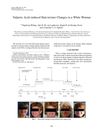
research Valproic Acid–induced Hair‐texture Changes in a White Woman
Valproic acid can cause reversible hair curling and persistent hair thinning.
research Low Serum Biotinidase Activity in Children with Valproic Acid Monotherapy
Children taking higher doses of valproic acid had lower biotinidase activity, which may lead to biotin deficiency, but biotin supplements could help.

research Commonly prescribed medications associated with alopecia
Valproic acid, a common antiepileptic medication, can cause reversible hair loss in patients.
research Serum drug level-related sodium valproate-induced hair loss
High levels of the seizure medication sodium valproate can cause hair loss.
research Management Strategies for Valproic Acid-Associated Alopecia
More research is needed to find effective treatments for hair loss caused by valproic acid.
research Side Effects of Sodium Valproate among Children with Epilepsy under 2 Years of Age
Sodium valproate caused vomiting, hair loss, loss of appetite, abdominal pain, weight gain, and anemia in young children with epilepsy.
research The Influence of Valproic Acid and Carbamazepine Treatment on Serum Biotin and Zinc Levels and on Biotinidase Activity
Valproic acid and carbamazepine do not change biotin or biotinidase levels but may lower zinc levels, still within normal range.
research Curly Hair Induced by Valproate in Bipolar Disorder
Valproate can cause rare hair curling in some patients.

research The role of candidate pharmacogenetic variants in determining valproic acid efficacy, toxicity and concentrations in patients with epilepsy
Genetic variants can affect valproic acid's effectiveness, side effects, and levels in epilepsy treatment.
research Efecto Inmunohistoquímico de la Vitamina E y el Ácido Valproico en el Desarrollo de Epidermis y Folículos Pilosos
Vitamin E can reduce the negative effects of valproic acid on hair and skin development.

research Sodium Valproate Induced Alopecia: A Case Series
Sodium valproate can cause reversible hair loss in some patients.
research [Visual field defect in a patient given sodium valporate then carbamazepine: possible effect of aminotransferase inhibition].
Anti-epileptic drugs may cause visual and hair side effects due to enzyme inhibition, especially in genetically predisposed individuals.
research La estrategia militar medieval
Sodium valproate can cause severe liver disease and side effects, sometimes leading to death.