 December 2023 in “Annales Pharmaceutiques Françaises”
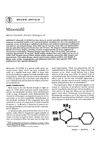
 The UV–Vis Spectrophotometry method effectively measures minoxidil in rat skin for alopecia treatment.
 11 citations
,
January 1980 in “Southern Medical Journal”
11 citations
,
January 1980 in “Southern Medical Journal” Minoxidil effectively treats severe hypertension but has notable side effects.
 September 2024 in “Journal of the American Academy of Dermatology”
 Low-dose oral minoxidil helps hair regrowth in COVID-19-related hair loss with few side effects.
 23 citations
,
November 1986 in “Pediatrics”
23 citations
,
November 1986 in “Pediatrics” Minoxidil, when used with a diuretic and β-blocking agent, can safely lower blood pressure in most children with severe hypertension due to kidney disease, with minimal side effects.
1 citations
,
January 2023 in “Chemical Engineering Journal”  March 2024 in “Nutrients”
 Gynostemma pentaphyllum and its component damulin B could help hair grow by activating certain cell pathways.
 November 2024 in “Polymers for Advanced Technologies”
 The hydrogel effectively heals wounds and kills bacteria.
10 citations
,
March 2016 in “Toxicology and applied pharmacology” Using A132 hair dye with sunlight can cause skin damage and hair loss.
3 citations
,
May 2025 in “Journal of Applied Polymer Science” The sprayable hydrogel is safe and effective for wound healing, killing bacteria and reducing oxidation.
 3 citations
,
January 2009 in “Eclética Química”
3 citations
,
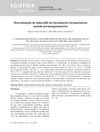
January 2009 in “Eclética Química” A simple and quick method was found to measure minoxidil in drugs accurately.
 June 2026 in “International Journal of Innovative Technologies in Social Science”
 Low-dose oral minoxidil is effective and safe for treating male pattern baldness.
22 citations
,
March 2017 in “Journal of the Formosan Medical Association” The guidelines help doctors manage skin problems from certain cancer treatments to improve patients' lives.
May 2013 in “DOAJ (DOAJ: Directory of Open Access Journals)” The multimodal microemulsion with minoxidil, diclofenac, and tea tree oil is more effective for hair growth than minoxidil alone.
 1 citations
,
October 1935 in “Nature”
1 citations
,
October 1935 in “Nature” Potassium iodide prevents hair loss and reduces toxicity from thallium acetate.
1 citations
,
July 2020 in “The Egyptian Journal of Hospital Medicine” The MDR1 C3435T polymorphism does not significantly affect methotrexate response in rheumatoid arthritis patients.

Different oral anticoagulants cause various non-bleeding side effects, so careful monitoring is needed.
79 citations
,
January 1975 in “Food and Cosmetics Toxicology” The hair dye formulations tested did not cause long-term toxicity or cancer in mice.
 17 citations
,
April 1975 in “The Journal of Pediatrics”
17 citations
,
April 1975 in “The Journal of Pediatrics” Minoxidil effectively controls severe high blood pressure in children with few side effects.
1 citations
,
September 2008 in “International Journal of Cosmetic Science” Using chelants in hair dye reduces fiber damage by preventing harmful radicals.
November 2008 in “British Journal of Hospital Medicine” Non-drug methods effectively managed agitation in a patient with a heart device, leading to improved mental function.
 3 citations
,
January 2016 in “Chemical sciences journal”
3 citations
,
January 2016 in “Chemical sciences journal” Tridax procumbens plant extracts, especially from ethanol, have strong antibacterial effects and contain beneficial compounds like flavonoids and tannins.
 December 2023 in “International Journal of Advanced Research in Science, Communication and Technology”
 A reliable method was created to measure Minoxidil and Finasteride in a solution.
 17 citations
,
June 2017 in “Journal of pharmaceutical sciences”
17 citations
,
June 2017 in “Journal of pharmaceutical sciences” Researchers developed a nanomedicine for acne treatment that delivers medication with less irritation and is non-irritating for oily skin.
June 2014 in “Zagazig Journal of Pharmaceutical Sciences/Zagazig Journal of Pharmaceutical Science” Ascorbic acid, orlistat, and mastic gum can effectively reduce sweat odor.
48 citations
,
June 2000 in “Japanese Journal of Cancer Research” Dimethylarsinic acid speeds up skin tumor growth in certain mice.
July 2026 in “Dermatology Practical & Conceptual” Low-dose oral minoxidil can cause gastrointestinal issues, especially in males and those on other vasodilators.
July 2026 in “Journal of the American Academy of Dermatology”  13 citations
,
September 2011 in “American Journal of Clinical Dermatology”
13 citations
,
September 2011 in “American Journal of Clinical Dermatology” The oral contraceptive ethinylestradiol/chlormadinone acetate is effective in reducing acne and improving other skin conditions related to high androgen levels.
Haircare products may expose users to harmful chemicals despite regulations.

The medicine Diane is effective in treating hair loss, severe acne, and excessive hair growth.