42 citations
,
February 2019 in “Circulation” Targeting ATM could help manage heart cell enlargement due to pressure overload.
 December 2025 in “International Journal For Multidisciplinary Research”
 Microscopic hair analysis is important in forensics but has limitations; new technologies are improving its accuracy.
 94 citations
,
February 1994 in “The journal of investigative dermatology/Journal of investigative dermatology”
94 citations
,
February 1994 in “The journal of investigative dermatology/Journal of investigative dermatology” EGF makes hair follicles grow longer but stops hair production.
Adequate vitamin D might lower, and high hair chromium might increase DNA damage in obese women.
 January 2024 in “GeroScience”
 Using radiation to make mice's hair turn gray helps study and find ways to prevent or reverse hair graying.
 25 citations
,
April 2018 in “Electromagnetic biology and medicine”
25 citations
,
April 2018 in “Electromagnetic biology and medicine” Mobile phone radiation may cause DNA damage in human ear hair follicle cells.
 January 2026 in “Frontiers in Bioscience-Landmark”
 Araliadiol protects skin cells from damage by boosting antioxidant defenses.
 30 citations
,
November 2013 in “PLOS ONE”
30 citations
,
November 2013 in “PLOS ONE” Androgen receptor signaling causes early aging of cells important for hair growth by damaging their DNA.
 1 citations
,
October 2025 in “Iranian journal of pharmaceutical research”
1 citations
,
October 2025 in “Iranian journal of pharmaceutical research” Geranyl acetate can protect skin cells from damage and inflammation caused by para-phenylenediamine.
 September 2025 in “Frontiers in Genetics”
 The method effectively extracts high-quality DNA from marmoset hair, avoiding blood chimerism.
 53 citations
,
October 2014 in “Free radical biology & medicine”
53 citations
,
October 2014 in “Free radical biology & medicine” Defective mitochondrial DNA replication causes aging symptoms and increased oxidative damage in mice.
 23 citations
,
January 2014 in “Molecular Therapy”
23 citations
,
January 2014 in “Molecular Therapy” Applying a special DNA plasmid to the skin can make it thicker and stronger.
 19 citations
,
August 2008 in “Journal of The European Academy of Dermatology and Venereology”
19 citations
,
August 2008 in “Journal of The European Academy of Dermatology and Venereology” Bald areas have lower cell growth, more DNA damage, and increased cell death.
 12 citations
,
December 2021 in “Aging”
12 citations
,
December 2021 in “Aging” A new painless method to collect hair follicles helps study DNA damage and aging.
 7 citations
,
October 2013 in “Methods in molecular biology”
7 citations
,
October 2013 in “Methods in molecular biology” These methods help understand DNA changes in mouse skin.
 432 citations
,
April 2014 in “Nature communications”
432 citations
,
April 2014 in “Nature communications” A mother's diet at conception can cause lasting genetic changes in her child.
 2 citations
,
March 2023 in “Research Square (Research Square)”
2 citations
,
March 2023 in “Research Square (Research Square)” Forensic DNA phenotyping faces challenges due to inconsistent terminology, limited genetic understanding, and debates over technology and models.
 2 citations
,
January 2017 in “Journal of Biotechnology Research Center”
2 citations
,
January 2017 in “Journal of Biotechnology Research Center” Hair dyes affect DNA analysis results, with the prepFiler kit working best for hair with follicles.
 15 citations
,
November 2022 in “Cell Death and Disease”
15 citations
,
November 2022 in “Cell Death and Disease” CEP135 may predict cancer outcomes, and targeting PLK1 could help treat certain sarcomas.
 11 citations
,
October 2019 in “Cancers”
11 citations
,
October 2019 in “Cancers” Spironolactone may make some cancer treatments more effective by blocking a protein that helps cancer cells survive.
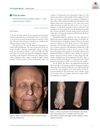 March 2019 in “Journal der Deutschen Dermatologischen Gesellschaft”
 Rothmund-Thomson syndrome type 2 can cause chronic, poorly healing wounds.
 3 citations
,
July 2021 in “Life science alliance”
3 citations
,
July 2021 in “Life science alliance” PNKP is essential for keeping adult mouse progenitor cells healthy and growing normally.
 January 2025 in “BioMed Research International”
 Targeting DNA methylation can help treat skin disorders and cancers.
 14 citations
,
October 2020 in “Scientific reports”
14 citations
,
October 2020 in “Scientific reports” Hair greying is linked to reduced ATM protein in hair cells, which protects against stress and damage.
 1 citations
,
September 2016 in “Journal of Dermatological Science”
1 citations
,
September 2016 in “Journal of Dermatological Science” FGF18 treatment during hair's resting phase can protect against hair loss from radiation.
 January 2023 in “Frontiers in bioscience”
 Artemis protein may help control hair growth and health by influencing cell processes.
April 2015 in “The FASEB Journal” Nitrogen mustard causes DNA damage and structural changes in mouse skin hair follicles, but some recovery occurs after 5 days.
188 citations
,
June 1998 in “Molecular cell” Researchers created a mouse with the same mutation as humans with trichothiodystrophy, showing similar symptoms and confirming the condition is due to defects in DNA repair and gene activity.
 99 citations
,
August 2009 in “Nature Genetics”
99 citations
,
August 2009 in “Nature Genetics” Removing both Atr and Trp53 genes in adult mice causes severe tissue damage and death due to DNA damage.
 29 citations
,
December 2016 in “The EMBO Journal”
29 citations
,
December 2016 in “The EMBO Journal” Gata6 is important for protecting hair growth cells from DNA damage and keeping normal hair growth.