January 2016 in “Texas ScholarWorks (Texas Digital Library)” DORN1 receptor affects eATP-induced stomatal changes but not eADP in Arabidopsis thaliana.
September 2025 in “Genes & Diseases” Lgr6+ cells are important for tissue repair and could be a target for treating cancer and other diseases.
 17 citations
,
September 2010 in “Pediatric dermatology”
17 citations
,
September 2010 in “Pediatric dermatology” A 15-year-old with KID syndrome developed a rare skin condition called PEHFN.
July 2025 in “Frontiers in Medicine” Mutations in the LIPH gene cause woolly hair in a child.
 21 citations
,
November 2010 in “Journal of molecular medicine”
21 citations
,
November 2010 in “Journal of molecular medicine” FoxN1 gene is essential for proper thymus structure and preventing hair loss.
 8 citations
,
September 2016 in “Journal of Investigative Dermatology”
8 citations
,
September 2016 in “Journal of Investigative Dermatology” Mice with more Flightless I protein grew back their claws better after amputation.
 10 citations
,
May 2012 in “PloS one”
10 citations
,
May 2012 in “PloS one” Low ERCC3 gene activity is linked to non-pigmented hair growth.
5 citations
,
January 2024 in “The International Journal of Developmental Biology” Mouse models help target specific genes in lymphatic cells for research.
February 2026 in “Biomedicine & Pharmacotherapy” MLPH helps hair grow by activating IGF-1 signaling in hair cells.
1 citations
,
May 2025 in “International Immunopharmacology” L-borneol helps skin wound healing by promoting stem cell differentiation.
 6 citations
,
January 2020 in “Czech Journal of Animal Science”
6 citations
,
January 2020 in “Czech Journal of Animal Science” The FAT1 gene and its variations can help improve wool quality in Chinese Merino sheep through selective breeding.
3 citations
,
March 2024 in “iScience” Long-lived proteins may predict age-related diseases.
 7 citations
,
January 2018 in “Neurodegenerative Diseases”
7 citations
,
January 2018 in “Neurodegenerative Diseases” Researchers found a new ABCD1 gene mutation linked to a rare brain and nerve disorder with unusual brain changes.
 28 citations
,
October 2004 in “Differentiation”
28 citations
,
October 2004 in “Differentiation” A gene deletion causes the "hairless" trait in Iffa Credo rats.
477 citations
,
March 2004 in “Proceedings of the National Academy of Sciences” The DMI3 gene is essential for nodule development and symbiosis in certain plants.
January 2013 in “Scholarworks (University of Massachusetts Amherst)” FERONIA regulates plant growth, pollen interactions, and sugar signaling.
 4 citations
,
January 2017 in “Journal of pediatric endocrinology & metabolism/Journal of pediatric endocrinology and metabolism”
4 citations
,
January 2017 in “Journal of pediatric endocrinology & metabolism/Journal of pediatric endocrinology and metabolism” Two different mutations in the vitamin D receptor gene cause different symptoms and responses to treatment in Lebanese patients with hereditary rickets.
 March 2020 in “The journal of investigative dermatology/Journal of investigative dermatology”
 Suppressing very long chain fatty acids is linked to skin cancer.

Meis2 is essential for touch sensation and proper nerve connection to touch receptors in certain skin areas of mice.
12 citations
,
June 2020 in “The anatomical record” miR-203a-3p helps hair follicle stem cells become specialized by targeting Smad1.
 7 citations
,
January 2019 in “Australasian Journal of Dermatology”
7 citations
,
January 2019 in “Australasian Journal of Dermatology” A genetic marker linked to a type of hair loss was found in most patients studied.
122 citations
,
June 1998 in “PubMed” Neurotrophins regulate nerve growth by balancing promotion and suppression.
 April 2024 in “Lasers in medical science”
 Near-infrared LED light improves skin rejuvenation and hair growth better than white LED light.
January 2022 in “SSRN Electronic Journal” LncRNA RP11-818024.3 helps hair growth and recovery in hair loss by boosting cell survival and reducing cell death.
Linalool in personal care products may worsen frontal fibrosing alopecia by damaging hair follicle stem cells and triggering harmful immune responses.
 15 citations
,
May 2016 in “Die Pharmazie”
15 citations
,
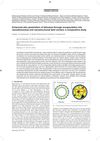
May 2016 in “Die Pharmazie” Nanostructured lipid carriers deliver lidocaine to the skin better than nanoethosomes.
February 2009 in “Journal of Investigative Dermatology” EGFR is essential for organized skin nerve growth and branching.
36 citations
,
March 2014 in “Annals of the Rheumatic Diseases” Activating liver X receptors can reduce fibrosis by stopping certain immune cells from releasing harmful proteins.
ANE syndrome is caused by a mutation in the RBM28 protein that disrupts ribosome assembly.
January 2005 in “Life sciences” Targeting LPA could help treat skin disorders.