 19 citations
,
April 2010 in “Journal of Dermatological Treatment”
19 citations
,
April 2010 in “Journal of Dermatological Treatment” Partial hair follicle extraction can effectively double the number of hair follicles for transplants, with most surviving and growing normally after a year.
 16 citations
,
December 2016 in “Dermatologic Surgery”
16 citations
,
December 2016 in “Dermatologic Surgery” Higher scalp elasticity leads to wider scars after hair transplantation; a new method to measure elasticity may help predict scar size.
 13 citations
,
August 2016 in “Journal of Cosmetic Dermatology”
13 citations
,
August 2016 in “Journal of Cosmetic Dermatology” Using normal saline in vertical extraction for hair transplants reduces donor area injury more than acute extraction.
 13 citations
,
January 2013 in “International Journal of Trichology”
13 citations
,
January 2013 in “International Journal of Trichology” Inflammation around hair follicles may worsen hair loss; evaluating and treating it can improve transplant results.
 10 citations
,
July 2017 in “Archives of Plastic Surgery”
10 citations
,
July 2017 in “Archives of Plastic Surgery” Hair thickness decreases from the upper to lower areas of the back of the head, affecting hair transplant results.
 10 citations
,
January 2013 in “Journal of Cutaneous and Aesthetic Surgery”
10 citations
,
January 2013 in “Journal of Cutaneous and Aesthetic Surgery” Narrower donor strips and special closure techniques in hair transplants lead to smaller scars and happier patients.
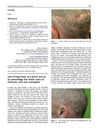 10 citations
,
May 2012 in “Journal of Plastic Reconstructive and Aesthetic Surgery”
10 citations
,
May 2012 in “Journal of Plastic Reconstructive and Aesthetic Surgery” Beard hair can effectively hide hair transplant scars.
 9 citations
,
January 2018 in “Hair transplant forum international”
9 citations
,
January 2018 in “Hair transplant forum international” Researchers concluded that safe hair follicle extraction limits in FUE vary by individual characteristics and proposed a method to calculate these limits to maintain appearance.
 9 citations
,
April 2017 in “International Journal of Dermatology”
9 citations
,
April 2017 in “International Journal of Dermatology” Different areas of the scalp have varying hair thickness, useful for different types of hair transplant needs.
 9 citations
,
December 1984 in “The Journal of Dermatologic Surgery and Oncology”
9 citations
,
December 1984 in “The Journal of Dermatologic Surgery and Oncology” Layered suture closure for hair transplant donor sites results in smaller scars and easier future harvesting but takes more time and may temporarily increase hair shedding.
 8 citations
,
June 2001 in “International Journal of Cosmetic Surgery and Aesthetic Dermatology”
8 citations
,
June 2001 in “International Journal of Cosmetic Surgery and Aesthetic Dermatology” Use shallow cuts, small tissue removal, careful suturing, and keep the area moist to reduce scarring in hair transplants.
 8 citations
,
March 1994 in “The American Journal of Cosmetic Surgery”
8 citations
,
March 1994 in “The American Journal of Cosmetic Surgery” The Total Excision Techniques improve hair transplant results by increasing grafts by at least 50% and reducing scarring.
 8 citations
,
July 1984 in “The Journal of Dermatologic Surgery and Oncology”
8 citations
,
July 1984 in “The Journal of Dermatologic Surgery and Oncology” A new suturing technique for hair transplant donor sites leads to better scarring and allows more grafts to be taken.
 7 citations
,
August 2015 in “Dermatologic Surgery”
7 citations
,
August 2015 in “Dermatologic Surgery” The cross beam laser is a useful tool for safely measuring scalp stretchiness to improve hair transplant results.
 7 citations
,
January 2013 in “Indian Journal of Plastic Surgery”
7 citations
,
January 2013 in “Indian Journal of Plastic Surgery” Body and beard hair can be used for hair transplants in baldness treatment but keep their original color and curl.
 5 citations
,
March 2018 in “Dermatologic Surgery”
5 citations
,
March 2018 in “Dermatologic Surgery” The study found that most donor sites are good for hairline restoration in Southeast Asian women, but hair characteristics should match for a natural look, and aging can reduce hair density and diameter.
 4 citations
,
March 2022 in “Cureus”
4 citations
,
March 2022 in “Cureus” Minced skin grafts speed up healing and improve scar quality at donor sites.
 4 citations
,
November 2016 in “Hair transplant forum international”
4 citations
,
November 2016 in “Hair transplant forum international” Only about 14% of hair follicles can be safely removed in hair transplants without affecting the surrounding area.
 4 citations
,
January 2007 in “Indian Journal of Dermatology”
4 citations
,
January 2007 in “Indian Journal of Dermatology” Body hair can be used as an extra source of donor hair in hair restoration surgery for people with severe hair loss.
 4 citations
,
November 2006 in “Dermatologic Surgery”
4 citations
,
November 2006 in “Dermatologic Surgery” Transplanted transected hair follicles can survive but grow at unsatisfactory rates and are thinner, suggesting limited potential for unlimited donor hair supply.
 3 citations
,
May 2019 in “Medical Hypotheses”
3 citations
,
May 2019 in “Medical Hypotheses” A new hair transplant method suggests freezing and storing dense hairs for future use to address severe hair loss.
3 citations
,
January 2010 Refined open donor harvesting techniques can reduce hair follicle damage in hair restoration surgery.
 2 citations
,
January 2022 in “Hair transplant forum international”
2 citations
,
January 2022 in “Hair transplant forum international” The FUE-LE technique combines two hair transplant methods to harvest more hair with minimal visible scarring, especially for patients with advanced hair loss.
 2 citations
,
September 2020 in “Dermatologic Surgery”
2 citations
,
September 2020 in “Dermatologic Surgery” Hair transplant surgery can cause temporary hair loss in the area where hair was taken from.
 2 citations
,
February 2020 in “Journal of Plastic Surgery and Hand Surgery”
2 citations
,
February 2020 in “Journal of Plastic Surgery and Hand Surgery” Good-looking donor sites for hair transplants usually have higher hair density and thicker hair.
 2 citations
,
May 2018 in “PubMed”
2 citations
,
May 2018 in “PubMed” Follicular Unit Extraction should be limited to preserve donor hair density and avoid side effects.
 2 citations
,
August 2013 in “Facial Plastic Surgery Clinics of North America”
2 citations
,
August 2013 in “Facial Plastic Surgery Clinics of North America” The conclusion is that careful planning and technique in hair transplant surgery are crucial for successful graft harvesting and minimizing scars, with proper aftercare to avoid complications.
 1 citations
,
July 2021 in “Aesthetic Plastic Surgery”
1 citations
,
July 2021 in “Aesthetic Plastic Surgery” The new triangular flag-shaped design for incisions in hair transplant surgery provides better hair alignment and cosmetic appearance without extra scarring, especially for patients with specific hair directions.
 1 citations
,
July 2017 in “Hair transplant forum international”
1 citations
,
July 2017 in “Hair transplant forum international” Scalp laxity, elasticity, and glidability are important in hair transplants and can predict scar width at the donor site.
 1 citations
,
January 2014 in “Hair transplant forum international”
1 citations
,
January 2014 in “Hair transplant forum international” Heavy smoking and other factors may lead to reduced blood flow and tissue death after hair transplant surgery.