1 citations
,
January 2010 in “Springer eBooks” Hair cloning could solve the problem of limited donor hair in transplants.
 27 citations
,
November 2008 in “Facial Plastic Surgery”
27 citations
,
November 2008 in “Facial Plastic Surgery” Follicular Unit Extraction is a less invasive hair transplant method with potential for natural results but has challenges like longer surgery time and higher cost.
 43 citations
,
October 2003 in “Journal of The American Academy of Dermatology”
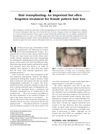
43 citations
,
October 2003 in “Journal of The American Academy of Dermatology” Hair transplanting is a useful, often overlooked treatment for female pattern hair loss.
17 citations
,
January 2018 in “Journal of cutaneous and aesthetic surgery” The article discusses debates on hair transplant techniques, safe donor areas, PRP use, and practitioner qualifications in hair restoration.
 15 citations
,
November 2008 in “Facial Plastic Surgery”
15 citations
,
November 2008 in “Facial Plastic Surgery” Hair restoration can sometimes result in unnatural-looking hair, wide scars, and poorly designed hairlines, but these issues can be corrected with careful planning, various techniques, and possibly medical therapy.
 13 citations
,
November 2018 in “Annals of Plastic Surgery”
13 citations
,
November 2018 in “Annals of Plastic Surgery” Nonshaven follicular unit extraction is a good hair transplant option that doesn't require shaving and can transplant up to 3000 grafts daily.
 11 citations
,
June 2005 in “Journal of Cosmetic Dermatology”
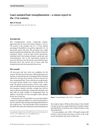
11 citations
,
June 2005 in “Journal of Cosmetic Dermatology” Lasers in hair transplantation show promise but are not yet standard, with current methods causing some side effects and needles still being preferred for creating recipient sites.
 6 citations
,
May 2004 in “Facial Plastic Surgery Clinics of North America”
6 citations
,
May 2004 in “Facial Plastic Surgery Clinics of North America” By 2004, Follicular Unit Transplantation (FUT) was the most effective method for surgical hair restoration, while the newer Follicular Unit Extraction (FUE) had more disadvantages and was less recommended.
 1 citations
,
January 1998 in “Seminars in Plastic Surgery”
1 citations
,
January 1998 in “Seminars in Plastic Surgery” Hair transplantation using micro- and minigraft megasessions is safe, effective, and provides natural results with high patient satisfaction.
 June 2002 in “Seminars in Cutaneous Medicine and Surgery”
 Hair transplantation has improved to more natural-looking results and is complemented by effective non-surgical treatments, with ongoing research into hair follicle cloning.
 November 1995 in “Dermatologic Surgery”
 The concentric mini-micrografting method is effective for extensive baldness, creating a natural look and efficiently using donor hair.
 5 citations
,
February 2019 in “Oral and Maxillofacial Surgery”
5 citations
,
February 2019 in “Oral and Maxillofacial Surgery” Hair loss can be reversed or even cured using advanced hair restoration techniques, with rare complications like swelling and bleeding.
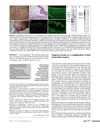 2 citations
,
November 2012 in “European Journal of Dermatology”
2 citations
,
November 2012 in “European Journal of Dermatology” Hair transplant surgery may cause alopecia areata, a new possible complication.
2 citations
,
September 2023 in “Journal of clinical medicine” Scalp skin grafts effectively cover lower limb defects with high success and minimal complications.
26 citations
,
January 2016 in “Journal of cutaneous and aesthetic surgery” Hair transplant combining scalp and beard hair with PRP was successful for scarring alopecia.
 10 citations
,
December 1997 in “Plastic and Reconstructive Surgery”
10 citations
,
December 1997 in “Plastic and Reconstructive Surgery” Hair restoration surgery has improved with better techniques for natural looks and managing patient expectations, but it remains labor-intensive and requires careful consideration of potential complications.
 9 citations
,
June 2014 in “Journal of Craniofacial Surgery”
9 citations
,
June 2014 in “Journal of Craniofacial Surgery” The method for sideburn reconstruction was safe and effective, giving natural-looking hair with minimal scarring.
 7 citations
,
March 2002 in “Aesthetic Surgery Journal”
7 citations
,
March 2002 in “Aesthetic Surgery Journal” In 2002, hair restoration improved by using a different area for grafts and absorbable sutures, leading to less discomfort and better results.
 3 citations
,
December 2008 in “The American Journal of Cosmetic Surgery”
3 citations
,
December 2008 in “The American Journal of Cosmetic Surgery” Hair transplantation has evolved to refined techniques like FUE and FUT, with Finasteride and Minoxidil as the only other proven treatments for hair loss.
 2 citations
,
August 2011 in “Dermatologic Surgery”
2 citations
,
August 2011 in “Dermatologic Surgery” Small micropunches for hair transplants can increase density but may cause more bleeding and longer healing.
1 citations
,
October 2022 in “Hair Transplantation” Surgical correction of cicatricial alopecia requires careful planning, with excision preferred over hair transplantation, and surgery should be delayed for stable conditions.
 1 citations
,
January 2010 in “DOAJ (DOAJ: Directory of Open Access Journals)”
1 citations
,
January 2010 in “DOAJ (DOAJ: Directory of Open Access Journals)” Hair transplantation surgery has improved, becoming more popular and efficient, but patient dissatisfaction remains due to unrealistic expectations.
 November 2024 in “International Society of Hair Restoration Surgery”
 FUT is a hair restoration method that should be chosen based on individual patient needs and preferences.
 January 2024 in “Advances in Cosmetic Surgery”
 Robotic hair restoration is a safe, efficient alternative to manual hair transplant, best for men with dark, thick hair and skin, requiring sufficient donor hair and postoperative care.
 June 2017 in “JPRAS Open”
 Hair transplant was successful on a bald area after skin graft surgery.
 October 2007 in “Journal of Investigative Dermatology”
 The document suggests a bacteria plays a significant role in acne rosacea and that white hair can regain color after transplant, meriting more research on reversing grey hair.
 September 1994 in “The Journal of Dermatologic Surgery and Oncology”
 Dr. Dzubow concluded that careful attention to detail is crucial for the success of Mohs surgery in treating skin cancer.
June 2025 in “British Journal of Dermatology” Hair transplantation has evolved significantly, becoming more effective and popular despite challenges.

The FUE hair transplant technique provides a natural and satisfying solution for male pattern baldness.
January 1997 in “대한피부과학회지” Bundle hair grafting is an effective and safe treatment for hair loss, with excellent cosmetic results.