 January 2012 in “Elsevier eBooks”
 Hair transplantation is highly effective with careful technique and attention to patient needs.
 May 2004 in “Facial Plastic Surgery Clinics of North America”
 Hair restoration techniques improved rapidly in 2004, leading to more natural results, with a shift to microscopic methods and diverse treatments including medical management, cloning, and surgical techniques. Laser hair removal was also mentioned.
 May 2004 in “Facial Plastic Surgery Clinics of North America”
 Hair restoration techniques improved rapidly in 2004, leading to more natural results, with a shift to microscopic methods and diverse treatments including medical management, cloning, and surgical techniques. Laser hair removal was also mentioned.
 November 2019 in “Quality in primary care”
 Scalp micropigmentation is a tattooing method that can mimic a full head of hair without surgery and has no healing time.
6 citations
,
August 2013 in “Facial plastic surgery clinics of North America” Dense packing fits many hair grafts closely together for a natural look but isn't suitable for everyone.
August 2022 in “Dermatological Reviews” Vitiligo transplantation surgery is now more efficient, cost-effective, and successful.
January 2017 in “Deleted Journal” Hair transplantation surgery now offers natural, lasting, and safe results.
4 citations
,
July 2022 in “The Journal of Clinical Endocrinology & Metabolism” A specific genetic mutation causes POMC deficiency, leading to symptoms like weight gain and red hair.
 4 citations
,
November 2006 in “Dermatologic Surgery”
4 citations
,
November 2006 in “Dermatologic Surgery” Transplanted transected hair follicles can survive but grow at unsatisfactory rates and are thinner, suggesting limited potential for unlimited donor hair supply.
September 2003 in “International Society of Hair Restoration Surgery” Transplanted hair keeps growing like it did in the donor area.
 19 citations
,
April 2010 in “Journal of Dermatological Treatment”
19 citations
,
April 2010 in “Journal of Dermatological Treatment” Partial hair follicle extraction can effectively double the number of hair follicles for transplants, with most surviving and growing normally after a year.
 6 citations
,
September 1997 in “Dermatologic Surgery”
6 citations
,
September 1997 in “Dermatologic Surgery” Chest hair can be used for scalp hair transplants when there's not enough scalp hair.
 10 citations
,
May 2012 in “Journal of Plastic Reconstructive and Aesthetic Surgery”
10 citations
,
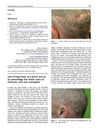
May 2012 in “Journal of Plastic Reconstructive and Aesthetic Surgery” Beard hair can effectively hide hair transplant scars.
 7 citations
,
September 2017 in “Journal der Deutschen Dermatologischen Gesellschaft”
7 citations
,
September 2017 in “Journal der Deutschen Dermatologischen Gesellschaft” Occipital donor sites for skin grafts heal faster, hurt less, look better, and have fewer complications than femoral sites.
 February 2026 in “Frontiers in Medicine”
 Personalized sonidegib dosing can effectively treat Gorlin-Goltz syndrome with fewer side effects.
 7 citations
,
February 2004 in “Canadian Journal of Anesthesia/Journal canadien d anesthésie”
7 citations
,
February 2004 in “Canadian Journal of Anesthesia/Journal canadien d anesthésie” Pressure from surgical headrests can cause temporary hair loss in liver donors.
441 citations
,
May 1996 in “Journal of Cell Science” Keratin 19 helps identify skin stem cells, with its presence varying by body location, age, and culture stage.
 July 2007 in “Clinical Risk”
 The claimant sued for negligence after a hair treatment caused harm and distress, and the defendant responded after legal action started.
 5 citations
,
August 2011 in “Dermatologic Surgery”
5 citations
,
August 2011 in “Dermatologic Surgery” Artificial dermis used for hair transplantation can reconstruct scalp defects effectively without the need for tissue expansion.
2 citations
,
March 2006 in “International Society of Hair Restoration Surgery” Transplanted hair keeps growing like the donor hair, even in bald areas.
 June 2020 in “Journal of cosmetic medicine”
 Eyebrow transplants use hair from the scalp or pubic area, with blonde hair looking more natural, and can leave scars depending on the method used.
 7 citations
,
December 1984 in “The Journal of Dermatologic Surgery and Oncology”
7 citations
,
December 1984 in “The Journal of Dermatologic Surgery and Oncology” Early transplantation helps avoid embarrassment and allows relaxed transplant sessions, but be cautious with young patients with thinning hair.
 July 2021 in “CRC Press eBooks”
 Hair transplantation moves hair to bald areas and it should grow like it did before, but it's not a perfect cure for hair loss.
 March 2000 in “Aesthetic Surgery Journal”
 Hair transplantation techniques have improved and are beneficial for aesthetic surgery practices.
 June 2023 in “JAAD Case Reports”
 A man had a rare skin cancer that looked like a bald spot.
Melanocyte transplantation can safely restore skin color, especially in stable vitiligo, but must be chosen carefully based on the disease phase.
10 citations
,
June 2024 in “Skin Research and Technology” Autologous epidermal cell suspensions speed up healing and reduce complications in skin lesion treatment but have limited impact on cosmetic outcomes.
1 citations
,
October 2015 in “CRC Press eBooks” PRP and stem cells can help treat baldness by promoting hair growth.
Genetic mutations linked to ectodermal dysplasias and hair loss were identified in Pakistani families.
 September 2006 in “Plastic and Reconstructive Surgery”
 The SGAP flap effectively treats large sacral pressure sores with good results and minimal complications.