October 2024 in “Actas Dermo-Sifiliográficas” Sublingual minoxidil is safe and well-tolerated for hair loss treatment.
 May 2015 in “Journal of The American Academy of Dermatology”
 5% minoxidil foam helps women with thinning hair.
 September 2025 in “Clinical Case Reports”
 Oral minoxidil can cause dry mouth, but switching to topical minoxidil may prevent this side effect.
4 citations
,
January 1989 Using topical minoxidil before and after hair transplant surgery helps improve hair growth.
 8 citations
,
April 2020 in “Journal of The American Academy of Dermatology”
8 citations
,
April 2020 in “Journal of The American Academy of Dermatology” Oral minoxidil is a reasonably safe alternative for patients allergic to the topical form.
2 citations
,
January 2022 in “Skin appendage disorders” Low-dose oral minoxidil effectively promotes hair growth but has associated risks.
 36 citations
,
September 2018 in “Dermatologic Therapy”
36 citations
,
September 2018 in “Dermatologic Therapy” Oral minoxidil helps hair growth, is cost-effective, and mostly well-tolerated.
 4 citations
,
December 2019 in “Journal of Cosmetic Dermatology”
4 citations
,
December 2019 in “Journal of Cosmetic Dermatology” Thread monofilament and minoxidil together increase hair growth in female androgenetic alopecia.
 17 citations
,
April 2002 in “Contact Dermatitis”
17 citations
,
April 2002 in “Contact Dermatitis” Minoxidil 5% caused skin discoloration in a man using it for hair loss.
 June 2023 in “Journal of Cosmetic Dermatology”
 Finasteride 5mg daily is the most effective for female pattern hair loss, with higher doses of treatments generally more effective.
July 2026 in “Journal of the American Academy of Dermatology” CRT is more effective than oral minoxidil alone for treating hair loss.
 4 citations
,
December 2011 in “Journal of The American Academy of Dermatology”
4 citations
,
December 2011 in “Journal of The American Academy of Dermatology” Using more minoxidil solution can lead to better hair growth, but people often use only half the recommended amount. Education and motivation can improve results.
September 2022 in “Research Square (Research Square)” 5% topical minoxidil improves hair density and quality in monilethrix patients.
January 2026 in “Dermatologic Therapy” Combining microneedling with 5% minoxidil is a safe and effective treatment for female pattern hair loss, promoting significant hair regrowth.
 72 citations
,
December 1983 in “Journal of Investigative Dermatology”
72 citations
,
December 1983 in “Journal of Investigative Dermatology” Minoxidil helps hair cells live longer and grow longer.
 7 citations
,
September 2020 in “Journal of The American Academy of Dermatology”
7 citations
,
September 2020 in “Journal of The American Academy of Dermatology” Low-dose oral minoxidil for hair loss can cause mild excessive hair growth, usually appearing within the first 3 months, but it can be managed by adjusting the dose or removing the unwanted hair, with most people not needing to stop the treatment.
1 citations
,
December 1995 in “Archives of Dermatology” The combination of topical minoxidil and oral finasteride improved hair regrowth in a man with advanced hair loss.
May 2026 in “Evidence-Based Practice” Low-dose oral minoxidil can cause dry mouth.
1 citations
,
September 2023 in “Pharmacology and Drug Toxicology” Minoxidil reduces oxidative stress and helps hair regrowth.
 49 citations
,
October 1994 in “Annals of Oncology”
49 citations
,
October 1994 in “Annals of Oncology” Minoxidil not effective in preventing chemotherapy-induced hair loss.
1 citations
,
October 2024 in “Journal of the American Society of Nephrology” Oral minoxidil may cause priapism, especially in people with certain health conditions.
 17 citations
,
May 1998 in “Contact Dermatitis”
17 citations
,
May 1998 in “Contact Dermatitis” Minoxidil can cause pustular allergic reactions on skin.
January 2006 in “대한피부과학회지” Using finasteride and minoxidil together improves the frontal hairline best in male hair loss.
April 2022 in “Journal of advances in medicine and medical research” Topical minoxidil 5% effectively improves hair density and width in men with androgenetic alopecia.
3 citations
,
January 1988 in “The Nishinihon Journal of Dermatology” Minoxidil slows hair cell growth but doesn't change cell shape or development.
 June 2026 in “Zenodo (CERN European Organization for Nuclear Research)”
 Educational efforts are needed to improve safe and effective minoxidil use.
 June 2026 in “Zenodo (CERN European Organization for Nuclear Research)”
 Educational efforts are needed to improve safe and effective minoxidil use.
 11 citations
,
January 2010 in “Indian Journal of Dermatology, Venereology and Leprology”
11 citations
,
January 2010 in “Indian Journal of Dermatology, Venereology and Leprology” Hair transplant and applying 5% minoxidil solution can effectively treat permanent hair loss, but it may change hair direction in some cases.
 5 citations
,
July 2020 in “JAMA Dermatology”
5 citations
,
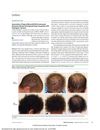
July 2020 in “JAMA Dermatology” Minoxidil solution applied twice daily improved hair growth in patients with Woolly Hair/Hypotrichosis due to LIPH gene issues, with mild side effects.