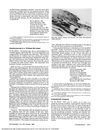
 October 1990 in “Archives of Dermatology”
 Hair loss and growth can be accurately measured using computer-assisted counting.
December 2024 in “European journal of medical research” 1 citations
,
January 2007 in “Griffith Research Online (Griffith University, Queensland, Australia)” Adult rat olfactory mucosa has stem cells that can self-renew and become different cell types.
1 citations
,
April 2013 in “The FASEB Journal” 3α‐OH‐DHP is essential for reducing nerve activity related to blood pressure control during pregnancy.
45 citations
,
August 1992 in “PubMed” The rat vibrissa follicle can quickly remodel its basement membrane during hair growth, affecting cell signaling and activity.
CRPS I is complex, linked to immune and nerve issues, and needs comprehensive treatment.
23 citations
,
June 1992 in “PubMed” RAR-gamma 1 is important for normal skin maintenance and differentiation.
March 2020 in “Faculty Opinions – Post-Publication Peer Review of the Biomedical Literature” The dermal sheath's contraction is crucial for hair follicle regression and stem cell relocation.
 April 2023 in “Journal of Investigative Dermatology”
 The research mapped gene activity in developing mouse skin and found key markers for skin cell types and changes from fetal to early postnatal stages.
During late pregnancy in rats, hormonal changes increased certain GABAA receptors in specific brain cells.
5 citations
,
January 1993 in “PubMed” Retinoic acid can change skin structures in vertebrates, like turning scales into feathers or hair buds into glands.
352 citations
,
August 2003 in “Proceedings of the National Academy of Sciences” Nestin is found in hair follicle progenitor cells, linking them to neural stem cells.
June 2020 in “Journal of Investigative Dermatology” Atopic dermatitis shows a link between skin layers in inflammation, detectable with detailed gene analysis.
11 citations
,
November 2011 in “Neuroreport” Paroxetine relieves pain by increasing allopregnanolone levels.
 61 citations
,
March 2009 in “The Journal of the American Board of Family Medicine”
61 citations
,
March 2009 in “The Journal of the American Board of Family Medicine” Early diagnosis and treatment of discoid lupus erythematosus improve outcomes.
 57 citations
,
August 1998 in “The journal of small animal practice/Journal of small animal practice”
57 citations
,
August 1998 in “The journal of small animal practice/Journal of small animal practice” Malassezia-associated dermatitis can cause itching in cats with feline paraneoplastic alopecia.
 10 citations
,
May 1978 in “Acta Dermato Venereologica”
10 citations
,
May 1978 in “Acta Dermato Venereologica” Pustules in toxic erythema are linked to hair follicles or sweat ducts.
 8 citations
,
December 2009 in “Journal of The European Academy of Dermatology and Venereology”
8 citations
,
December 2009 in “Journal of The European Academy of Dermatology and Venereology” Researchers found a new mutation in the FERMT1 gene in a Spanish family with Kindler syndrome.
 7 citations
,
January 1989 in “Leprosy Review”
7 citations
,
January 1989 in “Leprosy Review” A woman with leprosy improved after stopping dapsone and getting treatment for a severe skin reaction and nail changes.
 6 citations
,
October 2016
6 citations
,
October 2016 Understanding how keratin structures in hair are arranged and interact is key for creating methods to extract and purify them.
 5 citations
,
September 1989 in “Journal of The American Academy of Dermatology”
5 citations
,
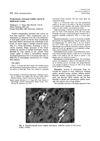
September 1989 in “Journal of The American Academy of Dermatology” Talc in street cocaine can cause immune-reactive skin nodules where injected.
 3 citations
,
October 2010 in “Dermatologic Surgery”
3 citations
,
October 2010 in “Dermatologic Surgery” The new surgical technique for vitiligo is effective, safe, and cost-efficient.
 1 citations
,
January 1984 in “Pediatric Dermatology”
1 citations
,
January 1984 in “Pediatric Dermatology” Upcoming pediatric dermatology events and submission guidelines were announced.
 December 2024 in “Globus: an international journal of medical science, engineering and technology.”
 10% dalandan peel oil promotes hair growth effectively.
 April 2018 in “Nasza Dermatologia Online”
 People with Down's syndrome are more likely to have syringomas.
January 2000 in “Neuroscience Research”  1 citations
,
August 2016 in “Journal of Investigative Dermatology”
1 citations
,
August 2016 in “Journal of Investigative Dermatology” Activating STAT5 in the skin's dermal papilla is key for starting hair growth, regenerating hair follicles, and healing wounds.
64 citations
,
March 2004 in “The journal of investigative dermatology/Journal of investigative dermatology” GPRC5D is linked to the formation of hair, nails, and certain tongue areas.
 17 citations
,
December 2001 in “Journal of Investigative Dermatology”
17 citations
,
December 2001 in “Journal of Investigative Dermatology” The osteopontin gene is active in a specific part of rat hair follicles during a certain hair growth phase and might affect hair cycle and diseases.
489 citations
,
June 2005 in “The FASEB Journal” Human hair follicles can produce cortisol like the body's stress response system.