 55 citations
,
September 2014 in “Development”
55 citations
,
September 2014 in “Development” Wnt, Eda, and Shh pathways are crucial for different stages of sweat gland development in mice.
 January 2012 in “Journal of Investigative Dermatology”
 Small molecule DMF improves psoriasis and multiple sclerosis, adult skin cells can be made to grow new hair, certain skin cells initiate hair growth, IL-17C controls gut health and can cause skin inflammation, and skin cells produce IL-17 that can lead to psoriasis.
 January 2001 in “Biomedical Research”
 THH and PAD type III appear together early in hair growth, but deiminated THH appears later, suggesting another factor is involved.
 November 2023 in “bioRxiv (Cold Spring Harbor Laboratory)”
 Scientists made a mouse that shows how a specific protein in the skin changes and affects hair growth and shape.
 1 citations
,
April 2019 in “Journal of Investigative Dermatology”
1 citations
,
April 2019 in “Journal of Investigative Dermatology” Dupilumab is effective and safe for treating moderate-to-severe atopic dermatitis in adolescents.
2 citations
,
May 2023 in “Biology” New mouse models of Pemphigus show severe symptoms and need better treatments.
 March 2026 in “Indian Dermatology Online Journal”
 Hair dye ingredient PPD can cause severe allergic reactions, including facial swelling.
 February 2024 in “Journal of Investigative Dermatology”
 Deleting NIPP1 in mouse skin cells causes early aging and chronic skin issues.
79 citations
,
October 2003 in “PubMed” Overexpression of PKCepsilon leads to increased TNFalpha, promoting metastatic squamous cell carcinoma in mice.
1 citations
,
December 2014 in “Journal of the Society of Cosmetic Scientists of Korea” CRF can cause hair loss, but blocking its receptors might prevent this.
 13 citations
,
August 2007 in “Bioorganic & medicinal chemistry letters”
13 citations
,
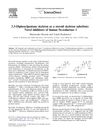
August 2007 in “Bioorganic & medicinal chemistry letters” A new compound effectively inhibits human 5α-reductase 1.
 January 2014 in “Journal of Investigative Dermatology”
 Proteins like aPKC and PDGF-AA, substances like adenosine and ATP, and adipose-derived stem cells all play important roles in hair growth and health, and could potentially be used to treat hair loss and skin conditions.
DHEA inhibits growth in both mouse and human melanoma cells but works differently in each.
71 citations
,
May 1996 in “Journal of Investigative Dermatology” Ornithine decarboxylase is crucial for hair growth regulation in mice.
 May 2024 in “Nano letters”
 Polydopamine and quercetin together can speed up hair regrowth.
52 citations
,
December 2014 in “Journal of Dermatological Science” Apremilast may help treat hair loss in alopecia areata.
November 2018 in “Journal of Investigative Dermatology” Lichen Planopilaris causes irreversible hair loss due to immune attacks on hair stem cells, but modulating PPAR-γ might help treat it.
37 citations
,
January 2006 in “Carcinogenesis” Antizyme slows skin tumor growth by reducing cell growth in mice.
 2 citations
,
March 2023 in “Experimental neurology”
2 citations
,
March 2023 in “Experimental neurology” Pregnenolone might help manage movement issues caused by Parkinson's disease treatment without reducing the medicine's effectiveness.
57 citations
,
January 2020 in “International Journal of Molecular Sciences” PADs are crucial for healthy skin and hair, and their imbalance can cause skin and hair disorders.
December 2021 in “OPAL (Open@LaTrobe) (La Trobe University)” BBS7 is crucial for maintaining healthy periodontal ligaments by supporting Shh signaling.
 November 2022 in “Journal of Investigative Dermatology”
 Growing dermal papilla cells in 3D improves their ability to help form new blood vessels.
 35 citations
,
September 2012 in “PloS one”
35 citations
,
September 2012 in “PloS one” Two distinct pathways direct proteins to vacuoles in Arabidopsis, affecting root hair growth and protein targeting.
25 citations
,
December 2018 in “Journal of Investigative Dermatology” TRPV4 slows hair growth by affecting hair follicle cells.
 April 2023 in “Journal of Investigative Dermatology”
 The research mapped gene activity in developing mouse skin and found key markers for skin cell types and changes from fetal to early postnatal stages.
October 2022 in “The Korean Journal of Physiology and Pharmacology” Targeting the PGD2-DP2 pathway may help treat hair loss.
 24 citations
,
November 2019 in “Experimental Dermatology”
24 citations
,
November 2019 in “Experimental Dermatology” PPAR-γ is important for healthy hair and its problems, and more research on PPAR-γ treatments is needed.
 30 citations
,
December 2011 in “Journal of biological chemistry/The Journal of biological chemistry”
30 citations
,
December 2011 in “Journal of biological chemistry/The Journal of biological chemistry” Keratin 17 is modified by RSK1 in response to growth and stress, affecting skin growth and stress response.
57 citations
,
January 2019 in “Stem Cell Research & Therapy” OCT4 helps hair stem cells renew and fight aging, potentially aiding hair regrowth.
Arabidopsis Formin 2 stabilizes actin filaments to aid cell-to-cell trafficking.