9 citations
,
January 2023 in “Journal of Clinical Medicine” The FFA-QLI is a reliable tool for assessing quality of life in women with severe Frontal Fibrosing Alopecia.
 April 2018 in “Journal of Investigative Dermatology”
 Hydroxychloroquine may cause false results in tuberculosis tests for patients with autoimmune skin diseases.
 1 citations
,
November 2023 in “Journal of neurology”
1 citations
,
November 2023 in “Journal of neurology” A patient with a nerve disorder died from infection complications after developing insulin resistance from a treatment.
May 2010 in “Europe PMC (PubMed Central)” Near-infrared probes can safely and effectively image cysteine protease activity for disease diagnosis.
November 2025 in “OPAL (Open@LaTrobe) (La Trobe University)” DAB labeling effectively identifies collagen type III and PDGFR in horse skin, but may show false positives.
 June 2023 in “British Journal of Dermatology”
 The prototype for analyzing skin aging works technically and clinically.
December 2025 in “ILDS-DEV” February 2023 in “Default Digital Object Group” 15 citations
,
July 2010 in “Journal of Allergy and Clinical Immunology” A new cream, DHMEQ, reduces allergic skin inflammation effectively.
8 citations
,
August 2012 in “Clinical, cosmetic and investigational dermatology” Doublebase gel hydrates skin better and is preferred by most users over Aqueous cream.
38 citations
,
September 2004 in “Journal of Autoimmunity” Alopecia areata patients have more activated T cells in their blood, which may help in developing treatments.
 12 citations
,
February 2023 in “Journal of Personalized Medicine”
12 citations
,
February 2023 in “Journal of Personalized Medicine” Type 1 diabetes often occurs with other autoimmune diseases, and personalized treatment based on genetics can improve outcomes.
4 citations
,
January 2014 in “Bone marrow transplantation” Alopecia areata can be transferred through stem cell transplants from affected siblings.
 August 2023 in “Medical Hypotheses”
 Metformin, usually used for diabetes, can also help treat hair loss from alopecia areata due to its ability to reduce inflammation and stimulate new hair growth.
 March 2023 in “International journal of trichology”
 Six genetic conditions are often linked to complete scalp hair loss in children.
 1 citations
,
January 2020 in “Benha Journal of Applied Sciences”
1 citations
,
January 2020 in “Benha Journal of Applied Sciences” Certain gene variations may increase the risk and severity of alopecia areata.
 May 2019 in “Small Animal Dermatology”
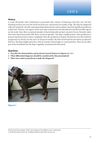
 The dog has Color Dilution Alopecia, causing hair loss and increased risk of skin infections.
 December 2023 in “The journal of cell biology/The Journal of cell biology”
 The mTurq2-Col4a1 mouse model shows how the basement membrane develops in live mammals.
1 citations
,
April 2007 in “The FASEB Journal” Lack of certain fatty acids causes skin, immune, and fertility issues in mice.
3 citations
,
November 2023 in “BMC Public Health” Both EQ-5D-5L and SF-6DV2 are valid for measuring health but can't be used interchangeably.
 14 citations
,
April 2020 in “Journal of Cosmetic Dermatology”
14 citations
,
April 2020 in “Journal of Cosmetic Dermatology” QR678 treatments were more effective and comfortable for male hair loss than PRP treatments.
148 citations
,
September 2003 in “Journal of Investigative Dermatology Symposium Proceedings” Alopecia areata is an autoimmune disorder causing hair loss, linked to specific hair follicle antigens and genetic factors.
143 citations
,
January 2004 in “Journal of Investigative Dermatology Symposium Proceedings” Alopecia areata is an autoimmune disease causing hair loss, treatable with immune-modulating drugs, and linked to genetics.
55 citations
,
October 2015 in “Journal of Investigative Dermatology” Alopecia areata is linked to immune-related genes, suggesting JAK inhibitors as a potential treatment.
46 citations
,
November 2022 in “The Journal of Dermatology” Bullous pemphigoid is influenced by genetic factors, immune cell dysfunction, aging, and triggers, with treatment often improving symptoms.
45 citations
,
May 2024 in “International Journal of Molecular Sciences” Alopecia areata is caused by immune attacks on hair follicles, affecting hair growth and quality of life.
44 citations
,
October 2009 in “Journal of the American Academy of Dermatology” Topical bexarotene 1% gel might help regrow hair in alopecia areata and is generally safe.
40 citations
,
October 2012 in “Dermatologic clinics” More research is needed to understand the genetic causes of Alopecia areata to develop better treatments.
23 citations
,
December 2013 in “Journal of Investigative Dermatology Symposium Proceedings” Genetic discoveries are leading to new treatments for alopecia areata.
19 citations
,
August 2017 in “American journal of clinical dermatology” Hepatitis B virus exposure may be linked to increased risk of alopecia areata.