22 citations
,
September 2022 in “International Journal of Nanomedicine” CUR-loaded micelles improve skin delivery and effects of curcumin for pain and infections.
300 citations
,
March 2010 The pharmaceutical industry is adopting greener methods to reduce environmental impact.
10 citations
,
May 2020 in “Advances in Polymer Technology” Melatonin-loaded nanoparticles improve antidepressant effects and HPA hormone balance better than regular melatonin.
 January 2026 in “Nanoscale Advances”
 The nanocomposite effectively targets lung cancer cells without harming normal cells.
 17 citations
,
May 2021 in “Journal of Applied Pharmaceutical Science”
17 citations
,
May 2021 in “Journal of Applied Pharmaceutical Science” Transferosomes effectively deliver drugs through the skin, improving treatment for skin disorders.
 7 citations
,
July 2018 in “International Journal of Applied Pharmaceutics”
7 citations
,
July 2018 in “International Journal of Applied Pharmaceutics” Chitosan nanoparticles are promising for sustained caffeine delivery through the skin.
14 citations
,
November 2024 in “Pharmaceuticals” Spanlastic nano-vesicles improve famotidine's effectiveness and absorption.
8 citations
,
August 2022 in “Pharmaceutics” Erythrocyte-anchored nanoparticles improved Cepharanthine delivery and effectiveness for treating acute lung injury.
 109 citations
,
March 2011 in “Journal of controlled release”
109 citations
,
March 2011 in “Journal of controlled release” New micelle solutions greatly improve skin delivery of certain antifungal drugs.
 January 2024 in “Journal of cosmetic dermatology”
 Silibinin-loaded micelles significantly protect hair from UV-B damage.
 4 citations
,
April 2023 in “JURNAL FARMASI DAN ILMU KEFARMASIAN INDONESIA”
4 citations
,
April 2023 in “JURNAL FARMASI DAN ILMU KEFARMASIAN INDONESIA” The spanlastic system effectively delivers green tea extract for skincare.
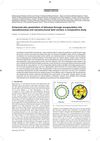 15 citations
,
May 2016 in “Die Pharmazie”
15 citations
,
May 2016 in “Die Pharmazie” Nanostructured lipid carriers deliver lidocaine to the skin better than nanoethosomes.
January 2026 in “New Journal of Chemistry” Minoxidil-loaded nanoparticles improve hair loss treatment by enhancing delivery and reducing irritation.
January 2014 in “Journal of Central South University(Science and Technology)” PPCM microspheres can effectively release finasteride over 42 days.
 4 citations
,
May 2022 in “Journal of Drug Delivery Science and Technology”
4 citations
,
May 2022 in “Journal of Drug Delivery Science and Technology” Nanoliposomes effectively deliver hair-growth peptides into hair follicles.
21 citations
,
April 2021 in “ACS omega” Curcumin can be effectively loaded into polystyrene nanoparticles, which are safe for human cells and more biocompatible with curcumin inside.
 30 citations
,
March 2016 in “European Journal of Pharmaceutical Sciences”
30 citations
,
March 2016 in “European Journal of Pharmaceutical Sciences” Optimized film improves finasteride skin absorption and treatment efficiency.
 12 citations
,
July 2020 in “International Journal of Pharmaceutics”
12 citations
,
July 2020 in “International Journal of Pharmaceutics” Iron oxide nanoparticles improve skin penetration and drug release for hair loss treatment.
 13 citations
,
June 2016 in “Dermatologic Therapy”
13 citations
,
June 2016 in “Dermatologic Therapy” Minoxidil works better when applied on a damp scalp than a dry one.
December 2025 in “Pharmaceutics” EV-based drug delivery shows promise but faces challenges in standardization and scalability.
 1 citations
,
March 2023 in “Aggregate”
1 citations
,
March 2023 in “Aggregate” A new hydrogel with micronized amnion helps achieve better, scar-free skin healing.
10 citations
,
June 2023 in “Preprints.org” Hydrogel-forming microneedles are a safe and effective method for delivering drugs through the skin.
 4 citations
,
July 2025 in “International Journal of Nanomedicine”
4 citations
,
July 2025 in “International Journal of Nanomedicine” Nano-quercetin improves quercetin's effectiveness in treating diseases but faces challenges in safety and production.
1 citations
,
January 2022 in “BioMed Research International” Chitosan-decorated nanoparticles can improve skin delivery and reduce side effects of finasteride.
 118 citations
,
May 2015 in “European journal of pharmaceutics and biopharmaceutics”
118 citations
,
May 2015 in “European journal of pharmaceutics and biopharmaceutics” The hydrogel with a 1:3 ratio of hydroxyethyl cellulose to hyaluronic acid is effective for delivering drugs through the skin to treat acne.
 January 2025 in “Journal of Pharmaceutical Research Science & Technology”
 Dissolving microneedles offer efficient, minimally invasive drug delivery through the skin.
 56 citations
,
January 2007 in “Pharmaceutical Development and Technology”
56 citations
,
January 2007 in “Pharmaceutical Development and Technology” Liposomes improve finasteride delivery for hair loss treatment, making it a promising option for topical use.
2 citations
,
November 2025 in “Pharmaceutics” Cell-mediated drug delivery systems improve skin disease treatment by using living cells for precise, prolonged, and less toxic therapy.
 22 citations
,
October 2019 in “International Journal of Nanomedicine”
22 citations
,
October 2019 in “International Journal of Nanomedicine” The nanoparticles improved hair growth and enlarged hair bulbs.
 42 citations
,
January 2018 in “Expert review of precision medicine and drug development”
42 citations
,
January 2018 in “Expert review of precision medicine and drug development” Drug repositioning is becoming more targeted and efficient with new technologies, offering personalized treatment options and growing interest in the field.