8 citations
,
May 2023 in “PubMed” Simpler treatments and better drug delivery improve acne and rosacea outcomes.
 January 2022 in “Stem cell biology and regenerative medicine”
 New biofabrication technologies could lead to treatments for hair loss.
 13 citations
,
October 2012 in “InTech eBooks”
13 citations
,
October 2012 in “InTech eBooks” Nanocarriers could improve how drugs are delivered through the skin but require more research to overcome challenges and ensure safety.
 2 citations
,
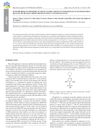
August 2016 in “Química Nova”
2 citations
,
August 2016 in “Química Nova” Using iontophoresis on minoxidil sulphate-loaded chitosan nanoparticles increases drug release but reduces its targeting to hair follicles.
 39 citations
,
September 2016 in “Expert Opinion on Drug Delivery”
39 citations
,
September 2016 in “Expert Opinion on Drug Delivery” New drug delivery methods can make natural compounds more effective and stable.
 8 citations
,
December 2021 in “Military Medical Science Letters”
8 citations
,
December 2021 in “Military Medical Science Letters” Nanoemulgel is a promising method for delivering drugs, especially for those that don't dissolve well in water.
 May 2022 in “Research Square (Research Square)”
 OBEME effectively enhances wound healing and could be a promising carrier for skin treatments.
 25 citations
,
July 2015 in “Colloids and Surfaces B: Biointerfaces”
25 citations
,
July 2015 in “Colloids and Surfaces B: Biointerfaces” Iontophoresis improves minoxidil delivery to hair follicles for hair loss treatment.
 45 citations
,
August 2011 in “Journal of Microencapsulation”
45 citations
,
August 2011 in “Journal of Microencapsulation” Chitosan microparticles improve minoxidil sulphate delivery, potentially reducing daily applications.
 130 citations
,
August 2020 in “Drug Design Development and Therapy”
130 citations
,
August 2020 in “Drug Design Development and Therapy” Nanoparticles can improve skin drug delivery but have challenges like toxicity and stability that need more research.
 60 citations
,
January 2014 in “Anais Brasileiros De Dermatologia”
60 citations
,
January 2014 in “Anais Brasileiros De Dermatologia” Nanotechnology in dermatology shows promise for better drug delivery and treatment effectiveness but requires more safety research.
21 citations
,
April 2021 in “ACS omega” Curcumin can be effectively loaded into polystyrene nanoparticles, which are safe for human cells and more biocompatible with curcumin inside.
11 citations
,
January 2020 in “Engineered science” 1 citations
,
January 2022 in “BioMed Research International” Chitosan-decorated nanoparticles can improve skin delivery and reduce side effects of finasteride.
 January 2025 in “RSC Pharmaceutics”
 Smart microneedles using advanced tech could improve psoriasis treatment.
 May 2024 in “International Journal of Nanomedicine”
 Biodegradable polymers can improve cannabinoid delivery but need more clinical trials.
 February 2024 in “International Journal For Multidisciplinary Research”
 Nanostructured lipid carriers are effective for treating hyperpigmentation in women aged 30-40.
 June 2015 in “Biomedical and biopharmaceutical research”
 The congress showed advancements in skin hydration, barrier function, and safe, effective new cosmetic formulations.
 33 citations
,
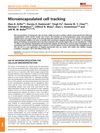
December 2012 in “NMR in Biomedicine”
33 citations
,
December 2012 in “NMR in Biomedicine” Microencapsulation helps protect and track therapeutic cells, showing promise for treating various diseases, but more work is needed to improve the technology.
 5 citations
,
November 2011 in “Expert Review of Dermatology”
5 citations
,
November 2011 in “Expert Review of Dermatology” The document concludes that early diagnosis and a comprehensive treatment plan are crucial for managing hair loss in children, with a focus on both medical and psychological support.
 1 citations
,
December 2010 in “Elsevier eBooks”
1 citations
,
December 2010 in “Elsevier eBooks” Cell transplantation faces challenges in genitourinary reconstruction, but alternative tissue sources and microencapsulation show promise.
 December 2013 in “Biomedical and biopharmaceutical research”
 Nanotechnology shows promise for better drug delivery and cancer treatment.
559 citations
,
October 2020 in “Frontiers in Molecular Biosciences” Solid lipid nanoparticles are promising for safe and effective drug delivery but need more research for clinical use.
298 citations
,
June 2019 in “Marine Drugs” Chitosan is a sustainable, versatile ingredient in cosmetics, enhancing skin hydration and anti-aging while promoting eco-friendly practices.
36 citations
,
August 2020 in “Polymers” The patch delivers more drugs through the skin effectively.
 1 citations
,
July 2017 in “Global journal of pharmacy & pharmaceutical sciences”
1 citations
,
July 2017 in “Global journal of pharmacy & pharmaceutical sciences” A new hair loss treatment was created using minoxidil and tretinoin in stable niosomes, which effectively released the drugs over time.
July 2021 in “International Journal of Applied Pharmaceutics” The finasteride nanogel could be an effective topical treatment for hair loss.
14 citations
,
February 2024 in “Pharmaceutics” We need to study how dissolving microneedles behave in the body to use them for medicine.
December 2025 in “Phytomedicine Plus” Combining herbal medicines with modern delivery systems may improve alopecia treatment.
 239 citations
,
December 2013 in “Scientific Reports”
239 citations
,
December 2013 in “Scientific Reports” A new method quickly creates controllable cell clusters for tissue engineering and drug testing.