 99 citations
,
October 2006 in “BMC clinical pharmacology”
99 citations
,
October 2006 in “BMC clinical pharmacology” Finasteride may cause slight depression and anxiety.
 6 citations
,
May 2012 in “Clinical and experimental dermatology”
6 citations
,
May 2012 in “Clinical and experimental dermatology” Oral minoxidil can cause inflamed, ingrown hairs in the beard area.
 5 citations
,
July 2017 in “Skin appendage disorders”
5 citations
,
July 2017 in “Skin appendage disorders” A man got a rare rash from the drug topiramate, which went away after he stopped taking it.
 4 citations
,
May 2019 in “Skin Research and Technology”
4 citations
,
May 2019 in “Skin Research and Technology” Finasteride helps hair growth but stopping it causes faster hair loss.
 1 citations
,
March 1989 in “The BMJ”
1 citations
,
March 1989 in “The BMJ” A woman's hair grew back while she was taking sulphasalazine for arthritis.
Any medication can cause skin reactions, some due to allergies and others due to dosage or genetic factors.
 53 citations
,
January 2007 in “Dermatology”
53 citations
,
January 2007 in “Dermatology” Chemotherapy often causes patterned hair loss, with some scalp areas more resistant to hair loss than others.
 10 citations
,
May 1986 in “Experientia”
10 citations
,
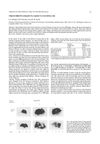
May 1986 in “Experientia” Too much zinc in the diet can cause hair loss and color change in young mice by reducing copper in the body.
 8 citations
,
August 2015 in “European Journal of Clinical Pharmacology”
8 citations
,
August 2015 in “European Journal of Clinical Pharmacology” Rivaroxaban may cause hair loss.
 1 citations
,
April 2024 in “Journal of Pharmaceutical and Pharmacological Sciences”
1 citations
,
April 2024 in “Journal of Pharmaceutical and Pharmacological Sciences” The mouse models are effective for testing new hair loss treatments.
 May 2023 in “International journal of pharmaceutical sciences and medicine”
 Sunflower oil was found to promote hair growth in mice with hormone-induced hair loss.
Scalp cooling is recommended to prevent chemotherapy-induced hair loss, but no effective drugs are available.
 162 citations
,
August 2002 in “Survey of Ophthalmology”
162 citations
,
August 2002 in “Survey of Ophthalmology” Latanoprost can make eyelashes longer, thicker, and darker.
 37 citations
,
January 2010 in “Internal Medicine”
37 citations
,
January 2010 in “Internal Medicine” A woman's liver was damaged by taking the herbal supplement Shou-Wu-Pian, but it got better after she stopped using it.
 24 citations
,
May 2012 in “International Journal of Dermatology”
24 citations
,
May 2012 in “International Journal of Dermatology” The document concludes that eyelash trichomegaly, which is the abnormal growth of eyelashes, can be present from birth, caused by diseases, or result from certain medications.
 19 citations
,
October 2011 in “Clinics in Dermatology”
19 citations
,
October 2011 in “Clinics in Dermatology” New chemotherapy drugs cause skin side effects, but treatments like minocycline and tetracycline can help reduce them.
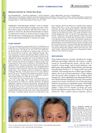 8 citations
,
August 2016 in “Acta dermato-venereologica”
8 citations
,
August 2016 in “Acta dermato-venereologica” Timolol eye-drops can cause hair loss.
 7 citations
,
January 1989 in “Leprosy Review”
7 citations
,
January 1989 in “Leprosy Review” A woman with leprosy improved after stopping dapsone and getting treatment for a severe skin reaction and nail changes.
 3 citations
,
February 2010 in “Clinical kidney journal”
3 citations
,
February 2010 in “Clinical kidney journal” Combining ciclosporin and simvastatin can cause severe kidney damage.
 February 2026 in “Cureus”
 Ciclosporin can cause excessive hair growth even with testosterone blockers.
 January 2026 in “Supportive Care in Cancer”
 New cooling caps can help prevent hair loss from chemotherapy in a cost-effective and eco-friendly way.
 March 2024 in “Research Square (Research Square)”
 Scalp cooling therapy helps preserve hair during chemotherapy for most patients.

A patient's gum problems worsened after using cyclosporine for a scalp condition, but improved with a lower dose.
 97 citations
,
September 2006 in “Pharmaceutical Research”
97 citations
,
September 2006 in “Pharmaceutical Research” No treatment fully prevents hair loss from chemotherapy yet.
 63 citations
,
August 2008 in “Journal of Cosmetic Dermatology”
63 citations
,
August 2008 in “Journal of Cosmetic Dermatology” Cuscuta reflexa extract may help treat hair loss caused by hormones.
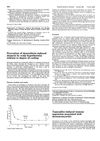 53 citations
,
June 1982 in “The BMJ”
53 citations
,
June 1982 in “The BMJ” Cooling the scalp below 22°C before and during chemotherapy can help prevent hair loss.
 36 citations
,
May 2015 in “Australasian Journal of Dermatology”
36 citations
,
May 2015 in “Australasian Journal of Dermatology” Low dose oral minoxidil helps regrow hair in permanent chemotherapy-induced alopecia.
 34 citations
,
January 2018 in “International Journal of Dermatology”
34 citations
,
January 2018 in “International Journal of Dermatology” Scalp cooling is the most effective FDA-approved method to prevent chemotherapy-induced hair loss, but more research is needed for other treatments.
 28 citations
,
January 2007 in “Dermatology”
28 citations
,
January 2007 in “Dermatology” Chemotherapy can cause rapid, extensive hair loss, with patterns varying between individuals.
 24 citations
,
January 2015 in “Annals of Dermatology”
24 citations
,
January 2015 in “Annals of Dermatology” Herbal extracts may help hair grow and could be an alternative to synthetic hair loss treatments.